
You use a knife every day when handling food, but do you know exactly when it must be cleaned and sanitized? Keeping your knife spotless isn’t just about hygiene—it’s about protecting yourself and everyone who eats the food you prepare.
If you miss the right moments to clean and sanitize your knife, harmful bacteria can easily spread, leading to foodborne illnesses. You’ll discover the crucial times to clean your knife and how doing so can make your kitchen safer and your meals healthier.
Keep reading to learn how a simple habit can make a big difference in your food handling routine.
Credit: damascenknives.com
Timing For Cleaning Knives
Knowing the right time to clean and sanitize knives is crucial for food safety. Food handlers must follow strict timing to avoid contamination and keep food safe. Clean knives help stop the spread of bacteria and protect customers from foodborne illnesses.
After Each Use
Clean knives immediately after every use. Food particles and juices can carry germs. These germs spread quickly if the knife is not cleaned right away. Washing and sanitizing after each use keeps knives safe and ready for the next task.
Between Different Food Types
Always clean knives when switching between food types. For example, use a clean knife for raw meat and another for vegetables. This stops cross-contamination. Germs from raw meat can cause illness if they touch other foods.
When Switching Tasks
Clean knives when changing tasks during food prep. Moving from cutting meat to slicing bread needs a clean knife. This practice helps keep all foods free from harmful bacteria. Changing tasks means cleaning is a must.
Importance Of Sanitizing Knives
Sanitizing knives is very important for anyone who handles food. A clean knife stops germs from spreading. It keeps the food safe to eat. Dirty knives can carry bacteria from one food to another.
Food handlers must clean knives after cutting raw meat, fish, or vegetables. This practice helps stop the spread of harmful germs. Safe food means fewer chances of foodborne illness.
Preventing Cross-contamination
Cross-contamination happens when germs move from one food to another. Using the same knife without cleaning can spread bacteria. For example, cutting raw chicken then slicing bread with the same knife is risky. Sanitizing knives between uses stops this problem.
Always clean and sanitize knives after handling raw foods. This simple step protects all foods from dangerous germs.
Ensuring Food Safety
Food safety is the main goal of sanitizing knives. Germs on knives can cause food poisoning. Cleaning knives removes dirt and food particles. Sanitizing kills harmful bacteria left on the blade.
Safe knives help food handlers prepare meals without risk. This keeps customers and family healthy and happy.
Proper Cleaning Techniques
Proper cleaning techniques are essential for maintaining food safety. Knives must be cleaned and sanitized carefully to avoid contamination. This process removes food particles, bacteria, and other germs. Clean knives protect both food handlers and customers.
Washing Steps
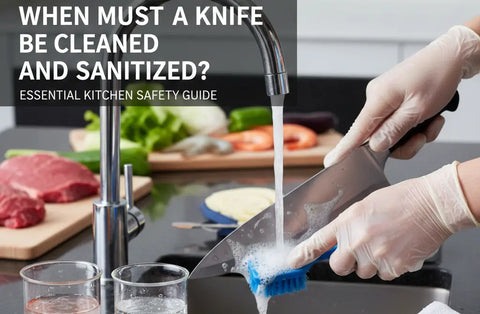
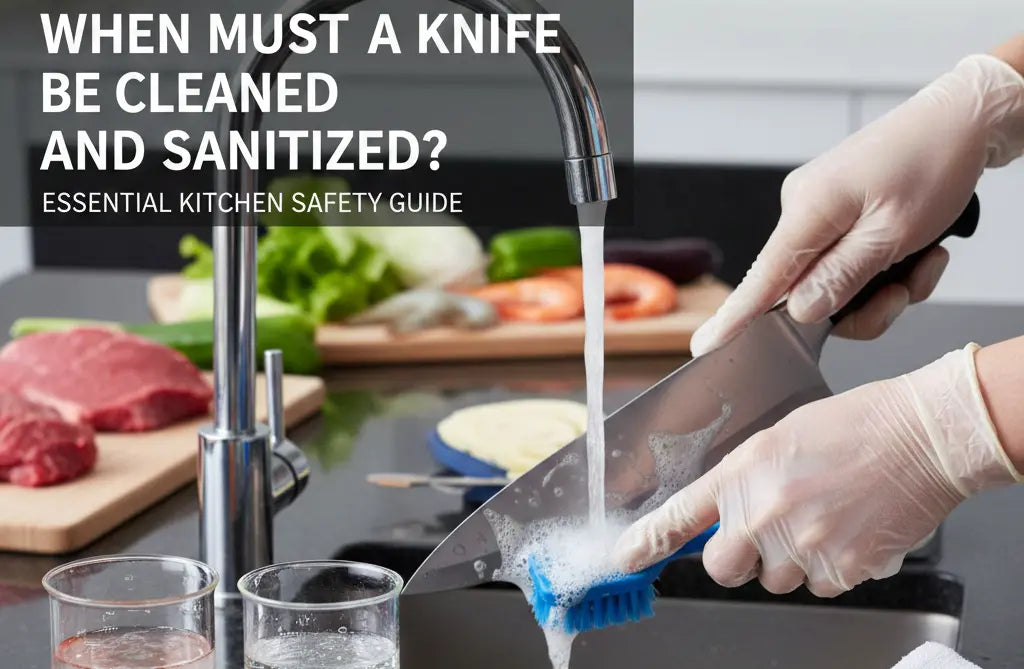
First, rinse the knife under warm running water to remove loose debris. Next, apply a food-safe detergent to the blade and handle. Use a scrub brush or sponge to clean every part thoroughly. Pay special attention to the blade edges and the handle junction. After scrubbing, rinse the knife again with warm water to wash away soap and dirt.
Using Hot Water And Detergents
Hot water helps remove grease and kills many bacteria. Use water that is at least 110°F (43°C) for washing. Combine the hot water with a good detergent designed for kitchen use. This combination cleans the knife deeply and prepares it for sanitizing. Avoid cold water, as it can leave oils and bacteria on the knife.
Sanitizing Methods For Knives
Keeping knives clean and sanitized is essential for safe food handling. Proper sanitizing stops germs from spreading and protects food from contamination. Different methods exist to sanitize knives effectively. Choosing the right method depends on the setting and available tools.
Chemical Sanitizers
Chemical sanitizers use safe solutions to kill bacteria on knives. Common sanitizers include chlorine, quaternary ammonium, and iodine. Knives should be washed first to remove dirt and food bits. Then, soak or spray the knife with the sanitizer for the right time. Follow the sanitizer instructions closely for best results. Rinse the knife with clean water if required. Let the knife air dry to avoid recontamination.
Heat Sanitization
Heat sanitization uses high temperatures to kill germs on knives. This method works well with hot water or steam. Soaking knives in water above 171°F (77°C) for at least 30 seconds can sanitize them. Some kitchens use dishwasher machines with a heat cycle for sanitizing knives. Heat sanitization does not leave chemical residues. Make sure the knives can handle high heat before using this method.
Best Practices For Food Handlers
Food handlers play a key role in keeping food safe and healthy. Proper knife cleaning and sanitizing prevent germs from spreading. Best practices help avoid food contamination. Following simple steps protects both workers and customers.
Routine Cleaning Schedules
Knives must be cleaned after each use. This stops bacteria from spreading between foods. Cleaning should happen before switching between raw and cooked items. Create a clear schedule for knife cleaning. Regular cleaning keeps tools safe and ready to use.
Training And Awareness
Food handlers need clear instructions on knife cleaning. Training shows how to clean and sanitize properly. Awareness reduces risks of cross-contamination. Regular reminders keep workers focused on safety. Educated staff improve overall kitchen hygiene.

Credit: www.chegg.com
Credit: damascenknives.com
Frequently Asked Questions
How Often Should Food Handlers Clean And Sanitize Knives?
Knives must be cleaned and sanitized after every use or when switching tasks. This prevents cross-contamination and keeps food safe. Regular cleaning protects both food and handlers.
What Are The Key Times To Sanitize Knives In A Kitchen?
Sanitize knives after cutting raw meat, poultry, or fish and before using them on cooked foods. Also, sanitize after handling allergen-containing ingredients. This stops harmful bacteria from spreading.
Why Is Knife Sanitization Important For Food Safety?
Sanitizing knives removes germs that cause foodborne illnesses. It helps keep food safe and prevents contamination. Clean knives protect customers and maintain kitchen hygiene.
Conclusion
Cleaning and sanitizing knives is crucial for food safety. Always clean knives after cutting raw meat or fish. Sanitize them before using with ready-to-eat foods. This prevents harmful bacteria from spreading. Keep knives clean during food prep to avoid cross-contamination.
Regular cleaning protects both food and people. Simple steps make kitchens safer every day. Remember, clean knives help keep food healthy and safe.