
Your knife is one of the most important tools in your kitchen, but do you really know when to clean and sanitize it? Using a dirty knife can put your health at risk and ruin the taste of your food.
If you want to keep your meals safe and delicious, it’s crucial to understand the right moments to clean and sanitize your knife. Keep reading, and you’ll learn simple, effective steps that protect you and your family every time you cook.
Key Moments To Clean Your Knife
Knowing the key moments to clean your knife helps keep your kitchen safe and tidy. Proper cleaning stops germs and food smells. It also keeps your knife sharp and working well. Pay attention to these important times to clean and sanitize.
After Cutting Raw Meat
Raw meat can carry harmful bacteria. Clean your knife right after cutting it. Use hot, soapy water to wash it well. Then, sanitize to kill any germs. This step prevents cross-contamination with other foods.
Switching Between Ingredients
Switching from one ingredient to another needs a clean knife. For example, from vegetables to cooked food. Washing your knife between tasks stops flavors from mixing. It also keeps food safe and fresh.
Post-use In Food Prep
After finishing your food prep, clean your knife thoroughly. Remove all food bits and grease. Dry it well to avoid rust. Store it in a safe place ready for next use.
Credit: damascenknives.com
Difference Between Cleaning And Sanitizing
Understanding the difference between cleaning and sanitizing your knife is important for kitchen safety. Both steps protect against germs but serve different purposes. Knowing when and how to do each helps keep your knife safe to use.
Cleaning Removes Debris
Cleaning means removing dirt, food bits, and grease from the knife. Use soap and warm water to wash the blade and handle. This step gets rid of visible grime and prepares the knife for sanitizing. Without cleaning, germs can hide under food particles.
Sanitizing Kills Bacteria
Sanitizing means using heat or chemicals to kill bacteria on the knife. After cleaning, sanitize with a sanitizer spray or soak in a mild bleach solution. This step reduces harmful germs that can cause illness. Sanitizing is key after cutting raw meat or fish.
Proper Cleaning Techniques
Proper cleaning techniques keep your knives safe and sharp. Clean knives stop germs from spreading. They also last longer and work better. Follow these simple steps every time you clean your knife.
Using Hot Soapy Water
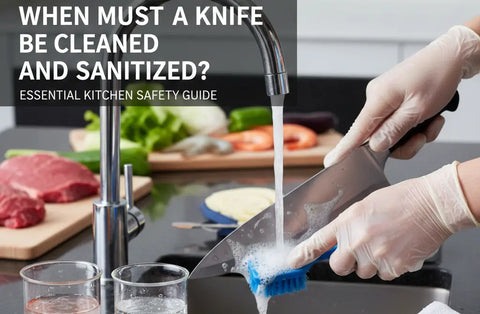
Start by filling the sink or a bowl with hot water. Add a small amount of dish soap. Use a soft sponge or cloth to scrub the blade carefully. Avoid using rough scrubbers that can scratch the knife. Clean both sides of the blade and the handle. Pay close attention to any food stuck on the knife.
Rinsing And Drying
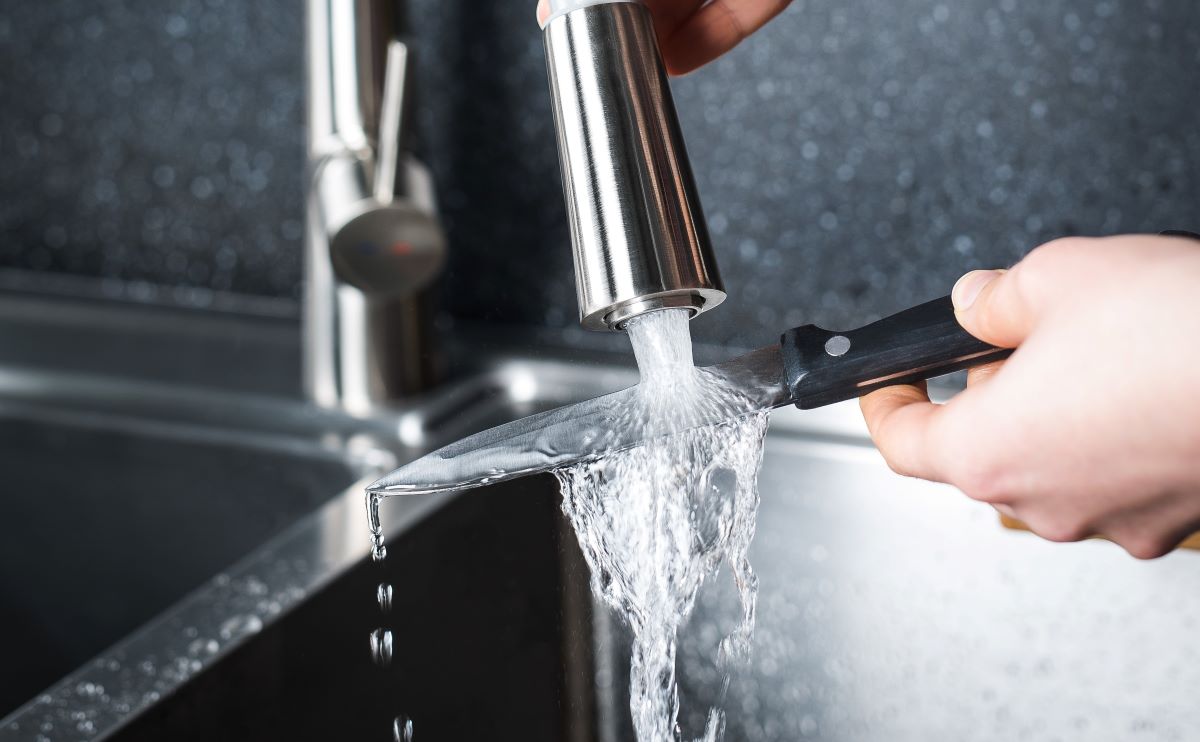
Rinse the knife under warm running water. Make sure all soap and food bits wash away. Dry the knife immediately with a clean towel. Leaving a knife wet can cause rust or stains. Always dry carefully, especially near the handle and blade joint. Store the knife in a safe, dry place after drying.

Credit: imarku.net
Effective Sanitizing Methods
Cleaning and sanitizing knives is key for safe food preparation. Effective sanitizing removes germs that washing alone may miss. It protects against foodborne illnesses and keeps your kitchen safe. Using the right methods ensures your knife is both clean and safe to use. Here are two common ways to sanitize your knife properly.
Using Food-safe Sanitizers
Food-safe sanitizers kill bacteria on knife surfaces quickly. Common types include chlorine bleach solutions and commercial sanitizers. Dilute bleach with water following package instructions for safety. Soak or wipe the knife with the sanitizer for at least 30 seconds. Rinse well with clean water after sanitizing. Air dry or use a clean cloth to avoid recontamination.
Natural Alternatives
Natural options provide gentle but effective sanitizing. White vinegar and lemon juice both have antimicrobial properties. Apply vinegar or lemon juice to the knife and let it sit for a few minutes. Rinse the knife thoroughly with water afterward. These natural methods are safe and eco-friendly. They work well for light sanitizing between uses.
Maintaining Knife Hygiene Daily
Maintaining knife hygiene daily is essential for safe food preparation. A clean knife prevents bacteria from spreading to your food. Regular cleaning and sanitizing keep your knife sharp and safe to use. It also helps your knife last longer. Follow simple steps every day to keep your knife in top condition.
Storage Tips To Avoid Contamination
Store knives in a clean, dry place. Use a knife block or magnetic strip to keep blades separate. Avoid tossing knives into drawers where they can touch other utensils. This stops bacteria from spreading and protects the blade. Always dry knives completely before storing them.
Regular Inspection And Care
Check your knife daily for any damage or rust spots. A dull or damaged blade can harbor bacteria. Sharpen your knife regularly to keep it effective and safe. Clean the handle well, as germs can hide there. Replace knives that have deep cracks or chips.
Credit: www.fzkaly.com
Frequently Asked Questions
How Often Should You Clean And Sanitize Your Knife?
Knives should be cleaned and sanitized after every use to stop germs from spreading. Regular cleaning also keeps knives sharp and safe to use.
Why Is Sanitizing Knives Important In The Kitchen?
Sanitizing kills harmful bacteria that can cause food poisoning. It keeps food safe and protects your health.
Can Using A Dirty Knife Cause Food Contamination?
Yes, dirty knives can transfer bacteria from one food to another. This can lead to cross-contamination and make people sick.
Conclusion
Cleaning and sanitizing your knife keeps it safe and sharp. Do it after every use, especially when cutting raw meat or vegetables. This stops germs from spreading and keeps food fresh. A clean knife lasts longer and works better. Make cleaning a habit to protect your health and kitchen.
Simple steps lead to safer cooking every day.