
If you love cooking or want to improve your kitchen skills, knowing the right knife can make all the difference. Japanese knives are famous for their sharpness, precision, and beauty.
But did you know there are many types, each designed for a special task? Choosing the right one can help you cut, slice, and prepare food like a pro. You’ll discover the main types of Japanese knives and how they can change the way you cook.
Types of Japanese Knives
Popular Japanese Knife Styles
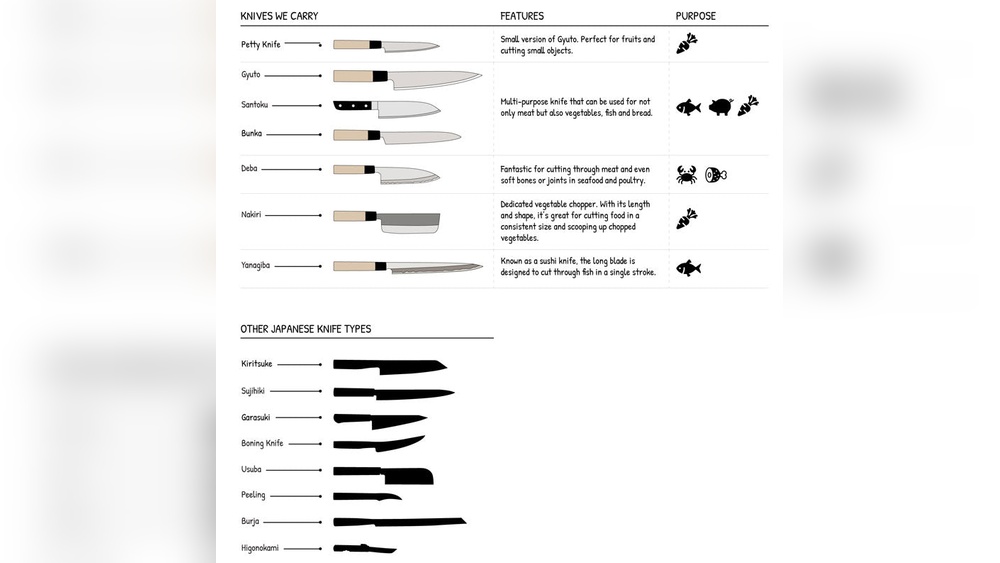
Japanese knives are famous for their sharpness and beauty. Each knife style serves a special purpose in the kitchen. Understanding popular Japanese knife styles helps cooks choose the right tool. These knives offer precision and ease for many cooking tasks.
Santoku Knife
The Santoku knife is a versatile kitchen tool. It cuts vegetables, fish, and meat with ease. Its name means “three virtues,” showing its multi-use design. The blade is shorter and thinner than Western knives. The Santoku offers great control and balance.
Gyuto Knife
Gyuto is the Japanese version of a chef’s knife. It handles many tasks like slicing, dicing, and chopping. The blade is longer and pointed. This design helps with thin and precise cuts. Gyuto knives are popular among both home cooks and professionals.
Deba Knife
Deba knives are thick and strong. They cut through fish bones and meat easily. This knife is perfect for filleting fish. The blade is heavy and sharp on one side. It requires careful handling for safe use.
Nakiri Knife
Nakiri knives are made for chopping vegetables. The blade is straight and flat. This shape helps cut cleanly through vegetables. It makes slicing fast and smooth. Nakiri knives are lightweight and easy to use.
Yanagiba Knife
Yanagiba knives are thin and long. They are used mainly for slicing raw fish. The blade creates smooth, thin slices for sushi. It helps keep the fish fresh and intact. Skilled chefs prefer Yanagiba for its precision.
Deba: Heavy-duty Filleting
The Deba knife is a strong, thick blade used mainly for fish. It cuts through bones and tough fish heads without breaking. This knife is a staple in Japanese kitchens for preparing fresh fish.
Its sharp edge lets chefs make clean cuts, preserving the fish’s texture. The Deba is built for power and precision in one tool.
Design And Shape
The Deba has a wide, heavy blade. It usually measures 5 to 8 inches long. The blade is thick at the spine and tapers down to a sharp edge. This design helps with cutting through small bones and joints.
The single bevel edge means it cuts very cleanly on one side. It allows precise slicing and easy control of the knife.
Main Uses
The Deba is mostly for filleting fish. It can cut through heads, fins, and bones without damaging the meat. It also works well for trimming fat and skin.
Some chefs use it for poultry and meat, but it excels with fish. The weight and sharpness make it a versatile tool for tough cuts.
Care And Maintenance
Keep the Deba dry to avoid rust. Clean it by hand with mild soap and water. Avoid the dishwasher to protect the blade.
Sharpen it often with a whetstone. Proper sharpening keeps the edge sharp and effective. Store it safely to prevent damage to the blade and yourself.
Santoku: Versatile All-rounder
The Santoku knife is a favorite in many kitchens. It is known for its versatility and ease of use. This knife handles a variety of tasks well. From slicing vegetables to cutting meat, it does it all.
Santoku means “three virtues” or “three uses.” It refers to the knife’s ability to chop, slice, and dice. The blade is usually shorter and wider than a traditional chef’s knife. This design helps with precise cuts and easy control.
Blade Design And Shape
The Santoku blade is flat and has a sheepsfoot tip. This tip curves down to meet the cutting edge. It lets you make clean, straight cuts on a cutting board. The blade length usually ranges from 5 to 7 inches.
The wide blade helps scoop up chopped food. The knife’s design reduces rocking motion during cutting. This makes it safer and easier for beginners.
Materials And Construction
Santoku knives are made from different steels. High-carbon stainless steel is common for sharpness and rust resistance. Some knives have layered Damascus steel for durability and beauty.
The handle can be wood, plastic, or composite. A well-balanced handle gives good grip and control. The knife’s weight is light to medium, helping reduce hand fatigue.
Ideal Uses In The Kitchen
This knife works well for vegetables, fish, and boneless meat. It is perfect for slicing cucumbers, dicing onions, or filleting fish. The Santoku excels in fine, detailed work.
Chefs who prefer precise cuts often choose this knife. It suits home cooks and professionals alike. The Santoku’s all-round ability makes it a staple tool.

Credit: sharpedgeshop.com
Yanagiba: Precision Slicing
The Yanagiba knife is a key tool in Japanese cooking. It is famous for its sharpness and long blade. Chefs use it to cut fish and seafood with great care. This knife helps create thin, clean slices for sushi and sashimi. Its design allows for smooth, precise cuts without tearing the food.
The blade is usually very thin and single-edged. This shape helps reduce friction and keeps the fish fresh. The Yanagiba’s length gives control and balance. Chefs can slice large pieces in one smooth motion. This precision keeps the texture and flavor intact.
The Design Of Yanagiba Knife
Yanagiba knives have long, narrow blades. The blade is single-beveled, sharpened on one side only. This design allows for very sharp edges. The handle is often made of wood. It provides a comfortable grip for delicate work. The knife’s length ranges from 8 to 12 inches.
Uses Of Yanagiba In The Kitchen
This knife is perfect for slicing raw fish. It is the top choice for sushi chefs. The Yanagiba creates thin, even slices. It works well for sashimi and nigiri preparation. The knife is also used for cutting vegetables thinly. It helps keep the food’s texture and appearance.
Care And Maintenance Tips
Keep the Yanagiba clean and dry after use. Hand wash it gently with mild soap. Avoid using a dishwasher to protect the blade. Sharpen the knife regularly with a whetstone. Store it in a wooden sheath or knife block. Proper care extends the knife’s sharpness and life.
Choosing The Right Knife For You
Choosing the right Japanese knife can change your cooking experience. The right knife makes cutting easier and safer. Different knives serve different purposes. Knowing your needs helps find the best fit for you.
Consider what you cook most often. Think about the knife’s size and weight. Comfort and control matter a lot. The right balance helps you cut with ease and less effort.
Understanding Knife Types
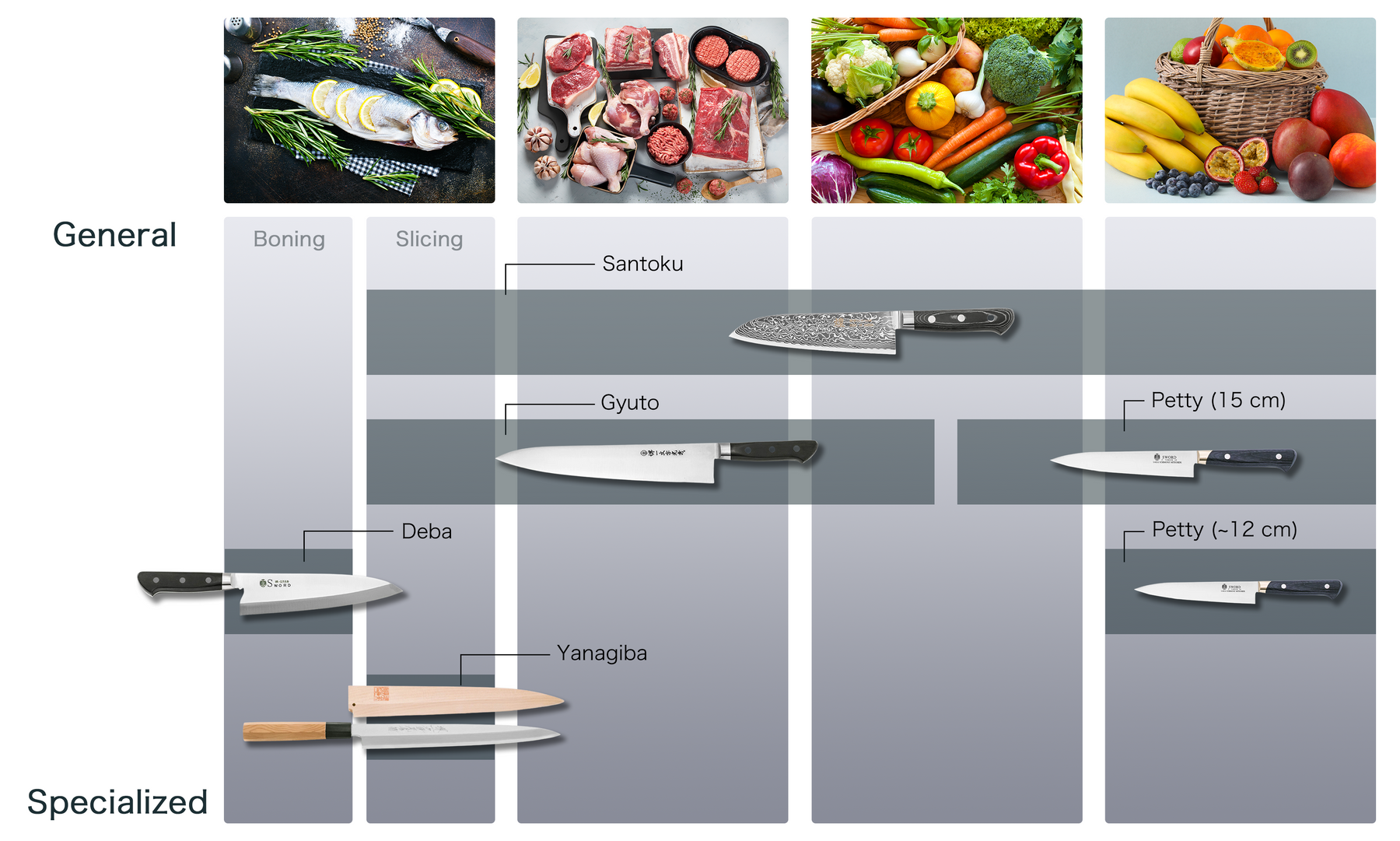
Japanese knives come in many styles. Each type suits specific tasks in the kitchen. For example, a Santoku is good for slicing and dicing. A Yanagiba is perfect for slicing raw fish thinly.
Learn the basic types and their uses. This knowledge guides your choice effectively.
Blade Material And Sharpness
Blade material affects sharpness and durability. High-carbon steel blades stay sharp longer but need care to avoid rust. Stainless steel blades resist rust but may dull faster. Choose what fits your maintenance habits and cooking style.
Handle Comfort And Grip
Handle design impacts comfort and safety. Wood handles offer a natural grip but may need more care. Plastic or composite handles are easier to maintain. Try holding the knife before buying if possible.
Budget And Quality Balance
Good knives come in many price ranges. Set a budget but focus on quality. A cheap knife may dull quickly. Investing in a quality knife saves money over time.

Credit: sharpedgeshop.com
Credit: global.ichimonji.co.jp
Frequently Asked Questions
What Are The Main Types Of Japanese Knives?
Japanese knives include Santoku, Gyuto, Deba, Yanagiba, and Usuba, each serving different kitchen tasks.
How Do Japanese Knives Differ From Western Knives?
Japanese knives are usually lighter, sharper, and have thinner blades for precise cutting.
Which Japanese Knife Is Best For Slicing Fish?
The Yanagiba knife is ideal for slicing fish, especially for sushi and sashimi.
Conclusion
Japanese knives come in many shapes and sizes. Each knife suits a special kitchen task. Knowing the types helps choose the right blade. Using the right knife makes cooking easier and safer. Take time to learn about blade care too.
Sharp knives cut better and last longer. Enjoy cooking with Japanese knives that fit your style. Simple tools can make a big difference in the kitchen. Try different knives to find what works best for you. Cooking becomes more fun with the right knife in hand.
Read More
- 5 Best Chicken Cutting Knife: Top Picks for Precision and Durability
- Best Knife Set for the Money: Top Affordable Picks for Every Kitchen
- Best Cutlery Knife Set for Precision and Durability in Every Kitchen
- Best Cheap Chef Knife: Top Budget Picks for Precision Cutting
- Best Butcher Knife Sharpener: Top Picks for Razor-Sharp Blades