

Is your ice maker not working when you need it most? It’s frustrating to open the freezer and find no ice, especially when you’re hosting friends or just want a cold drink.
You might feel stuck, unsure of what’s causing the problem or how to fix it. But don’t worry—this guide will help you understand why your ice maker stopped working and show you simple steps to get it back up and running quickly.
Ice Maker Not Working
Common Ice Maker Problems
Ice makers are useful appliances, but they can face problems. Knowing common issues helps fix them faster. Many ice maker troubles fall into a few main categories. Understanding these can save time and money.
Read on to learn about common ice maker problems. Each issue affects ice production and use.
No Ice Production
No ice production means your ice maker stops making ice completely. This can happen if the water supply is off or blocked. Sometimes, the ice maker’s motor or control board fails. Check for power issues or a frozen water line. Cleaning the ice maker often solves the problem.
Slow Ice Making
Slow ice making means ice forms very slowly or in small amounts. This happens when the freezer temperature is too high or the water flow is low. A dirty filter can also reduce water flow. Regular cleaning and setting the correct freezer temperature help speed up ice making.
Ice Cube Shape Issues
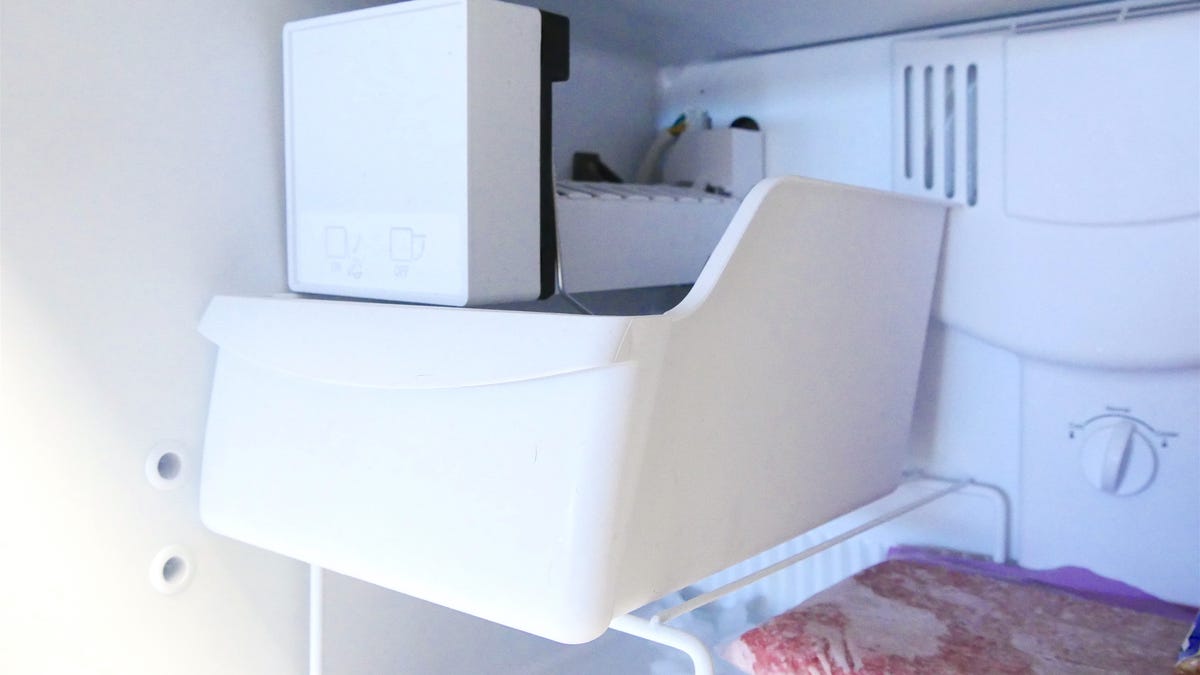
Ice cube shape issues appear as misshapen or hollow cubes. This can be caused by water impurities or poor water quality. Low water pressure also affects ice shape. Sometimes, the ice tray has damage or frost buildup. Fixing water problems and cleaning the tray improves ice cube shape.
Credit: www.cnet.com
Check Water Supply
One common reason an ice maker stops working is a problem with the water supply. The ice maker needs a steady flow of water to produce ice cubes. Without water, the machine cannot fill the trays or make ice. Checking the water supply is an easy first step to troubleshoot the issue.
Inspect Water Line
Look at the water line connected to your ice maker. Make sure it is not bent or kinked. A bent line can block water flow. Check for any leaks or damage along the line. If you find cracks or holes, replace the water line. Ensure the connection to the water source is tight and secure. A loose connection may stop water from reaching the ice maker.
Verify Water Pressure
Water pressure affects how well the ice maker fills with water. Low pressure can slow or stop ice production. Check the water pressure from your main supply. It should meet the manufacturer’s recommended level. You can test pressure with a gauge or call a plumber. High pressure may also cause leaks. Adjust the pressure to a safe, steady level for best results.
Reset And Restart Ice Maker
Resetting and restarting your ice maker can fix many common issues. It helps clear minor faults and refreshes the system. This simple process often restores normal function quickly.
Follow these easy steps to reset and restart your ice maker safely. Doing this correctly saves time and avoids damage.
Power Cycle Steps
Turn off the ice maker or unplug the refrigerator. Wait for about five minutes to let the system fully shut down. Plug it back in or switch it on. This power cycle resets the internal controls. Check if the ice maker starts making ice again.
Reset Button Use
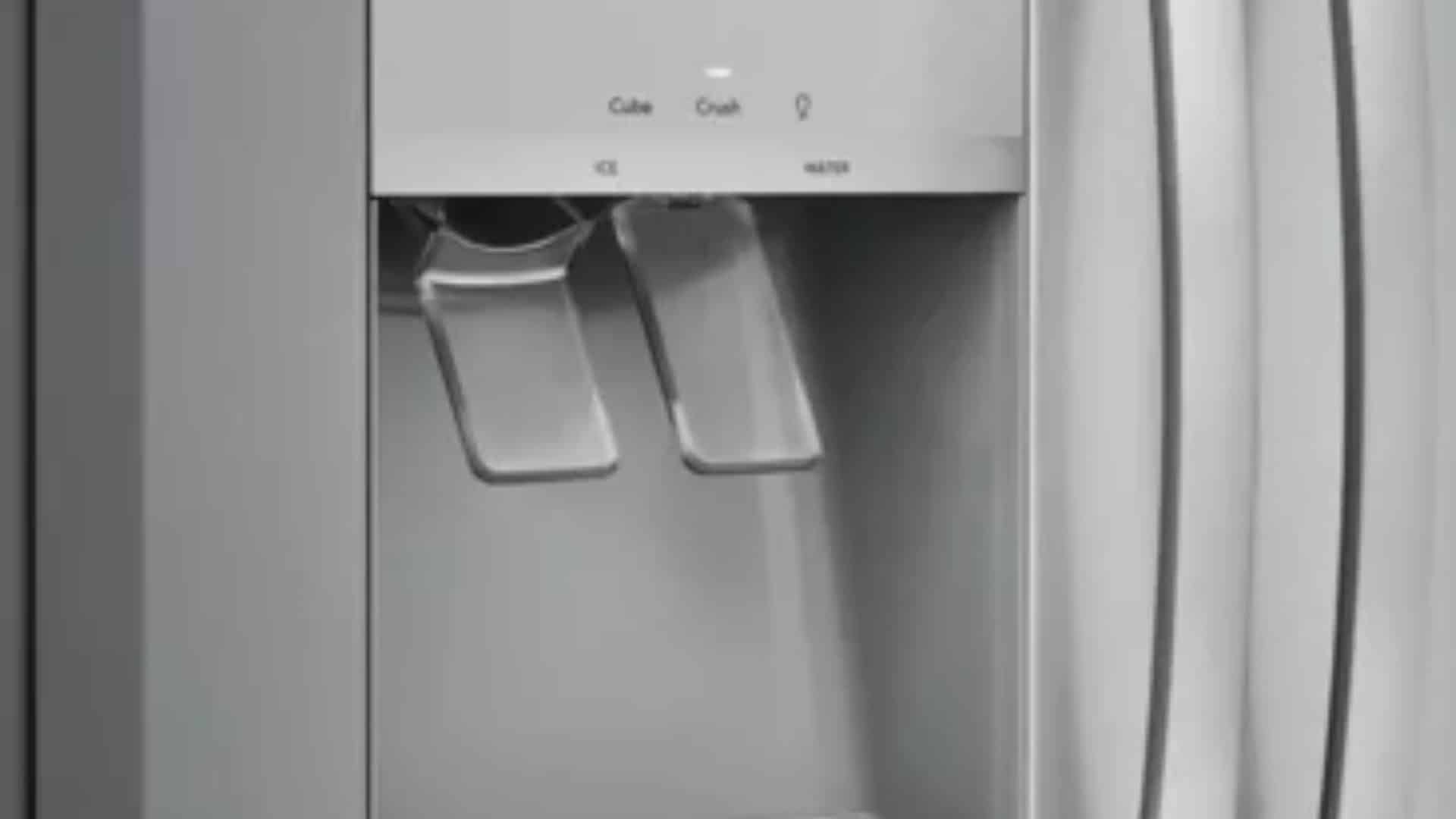
Locate the reset button on your ice maker unit. Press and hold it for 10 seconds. Release the button and wait for the machine to restart. The light or indicator may blink during this process. This reset forces the ice maker to clear errors and begin fresh.
Credit: academy.fredsappliance.com
Clean Ice Maker Components
Cleaning your ice maker parts helps keep it working well. Dirt and ice build-up can stop it from making ice. Regular cleaning removes blockages and germs. This process improves ice quality and machine life.
Remove And Clean Ice Bin
First, take out the ice bin carefully. Empty all the ice cubes into a clean container. Wash the bin with warm water and mild soap. Use a soft cloth or sponge to scrub gently. Rinse the bin thoroughly to remove soap. Dry the bin completely before putting it back.
Clear Ice Mold And Fill Tube
Check the ice mold for frost or debris. Use a soft brush or cloth to clean it. Avoid sharp tools that can damage the mold. Look at the fill tube that supplies water to the mold. Clear any blockages by wiping it clean. This keeps water flowing and ice forming properly.
When To Call A Technician
Knowing when to call a technician for your ice maker saves time and frustration. Some problems need expert hands to fix. Trying to repair complex issues alone can cause more damage. A professional can diagnose the root cause and solve it safely. Watch for specific signs that signal it is time to get help.
Signs Of Mechanical Failure
Strange noises like grinding or clicking are warning signs. Ice trays that do not fill or eject ice properly show mechanical trouble. Water leaks around the ice maker also indicate broken parts. If the ice maker stops working suddenly, it may have jammed or broken components. These problems usually require a technician’s tools and skills.
Complex Electrical Issues
Electrical faults can cause the ice maker to stop functioning. If the unit does not turn on or the light does not work, the wiring might be damaged. Frequent power trips or blown fuses can point to electrical shorts. Internal sensors or circuit boards can fail and need replacement. Only a trained technician should handle electrical repairs for safety.

Credit: www.wikihow.com
Frequently Asked Questions
Why Is My Ice Maker Not Producing Ice?
A clogged water line or low water pressure often stops ice production. Check these first.
How Do I Reset My Ice Maker?
Locate the reset button or unplug the fridge for 10 minutes to reset the ice maker.
What Causes Ice Maker To Make Small Or Hollow Ice?
Low water levels or a faulty thermostat can cause small or hollow ice cubes.
Conclusion
An ice maker not working can be frustrating. Check simple things first, like power and water supply. Cleaning the ice maker often helps. Sometimes, a small repair fixes the problem. Regular care keeps your ice maker running well. Don’t ignore early signs of trouble.
Taking quick action saves time and money. Your ice maker can work smoothly again soon. Keep it maintained and enjoy cold ice anytime.