

Have you ever wondered how to dry figs at home and enjoy their sweet, chewy goodness anytime you want? Drying figs yourself is easier than you think, and it lets you save money while making a healthy snack right in your kitchen.
Imagine having a stash of homemade dried figs ready to add to your breakfast, desserts, or just to munch on. You’ll discover simple, step-by-step methods to dry figs perfectly every time. Keep reading to unlock the secrets that will turn fresh figs into delicious, long-lasting treats you’ll love.
Choosing Fresh Figs
Choosing fresh figs is the first step to drying them perfectly at home. Fresh figs affect the taste and texture of your dried figs. Picking the right figs ensures a better drying process and a sweeter result. Let’s explore how to select the best figs for drying.
Best Fig Varieties
Some fig types dry better than others. Black Mission figs are sweet and hold their shape well. Kadota figs have a mild flavor and dry nicely. Adriatic figs turn deep purple and are very sweet when dried. Choose a variety that suits your taste and drying needs.
Selecting Ripe Figs
Ripe figs feel soft but not mushy. They should give slightly under gentle pressure. Look for figs with smooth skin and no cracks. Avoid figs with bruises or mold. A ripe fig smells sweet and fresh. Pick figs that are fully colored for the best flavor.

Credit: www.youtube.com
Preparing Figs For Drying
Preparing figs for drying is a key step to get the best results. Proper preparation helps keep the figs clean and preserves their natural taste. It also ensures they dry evenly and last longer.
Start by handling the figs gently. They bruise easily and can spoil if not treated with care. Sorting out any damaged or overly ripe figs is important before drying.
Washing And Drying
Rinse the figs under cool, running water. This removes dirt and any bugs. Use your fingers to gently rub the skin.
After washing, pat the figs dry with a soft towel. Make sure they are completely dry. Moisture can cause mold during drying.
Cutting Techniques
Cutting figs helps them dry faster and more evenly. Use a sharp knife to avoid crushing the fruit.
Slice figs in half from top to bottom. This exposes the inside to air and speeds up drying.
For larger figs, cut into quarters. Smaller pieces dry more quickly but require more attention to prevent burning.
Drying Methods At Home
Drying figs at home preserves their sweet taste and extends their shelf life. Several simple methods help you dry figs safely. Choose a method that fits your time and tools. Each method needs care and patience for the best results.
Using An Oven
Preheat the oven to the lowest setting, about 140°F (60°C). Slice figs in half to speed drying. Place them cut side up on a baking sheet. Keep the oven door slightly open for air flow. Check figs every hour to avoid burning. Drying can take 6 to 12 hours depending on fig size. Figs are ready when they feel leathery and not sticky.
Sun Drying
Choose ripe, unbruised figs for sun drying. Place figs on a clean tray or screen in direct sunlight. Cover with a thin cloth to keep insects away. Turn figs every few hours for even drying. Sun drying takes 3 to 5 days depending on weather. Bring figs indoors at night to avoid moisture. This method works best in hot, dry climates.
Dehydrator Tips
Set the dehydrator to 135°F (57°C). Cut figs in half for faster drying. Arrange figs on dehydrator trays in a single layer. Leave space between pieces for air circulation. Drying usually takes 8 to 12 hours. Check figs often to prevent over-drying. Store dried figs in airtight containers once cool.
Storing Dried Figs
Storing dried figs properly keeps them fresh and tasty for longer. Dried figs can last weeks or months if stored well. The right storage protects them from moisture and pests. It also keeps their flavor strong. Follow these tips to store your dried figs safely.
Proper Containers
Use airtight containers to store dried figs. Glass jars with tight lids work well. Plastic containers with seals also keep air out. Avoid paper bags or open bowls. These let air and moisture in. Moisture can cause mold and spoil figs. Keep containers in a cool, dark place. This helps keep figs dry and fresh.
Shelf Life And Storage Tips
Dried figs last about 6 to 12 months in good storage. Check them often for any signs of mold or smell. If stored in the fridge, figs can last longer. Freezing dried figs extends shelf life up to a year. Thaw them before eating for best taste. Store figs away from heat and light. These factors reduce quality and cause spoilage.
Using Dried Figs
Dried figs are a tasty, healthy snack. They last long and add sweetness to many dishes. Using dried figs is easy and fun. You can eat them as they are or add them to recipes. Their soft texture and rich flavor make them perfect for cooking and baking.
Dried figs also bring natural sugars to meals. They blend well with nuts, cheese, and yogurt. Many people enjoy dried figs as a quick energy boost. They fit well in sweet and savory dishes alike.
Recipe Ideas
Try chopped dried figs in salads for a sweet touch. Mix them with nuts and oats in breakfast bowls. Add dried figs to muffins, bread, or cakes for natural sweetness. Simmer them in sauces to enrich meat dishes. Use dried figs to make homemade fig jam or chutney. Blend figs into smoothies for extra flavor and fiber. They also pair well with cheese on a snack board.
Health Benefits
Dried figs are rich in fiber. This helps digestion and keeps you full longer. They contain vitamins like A, K, and several B vitamins. Minerals such as calcium, potassium, and iron support bone and heart health. The antioxidants in figs protect cells from damage. Eating dried figs can boost energy naturally without added sugar. They also help maintain healthy blood pressure. A small serving gives many important nutrients.
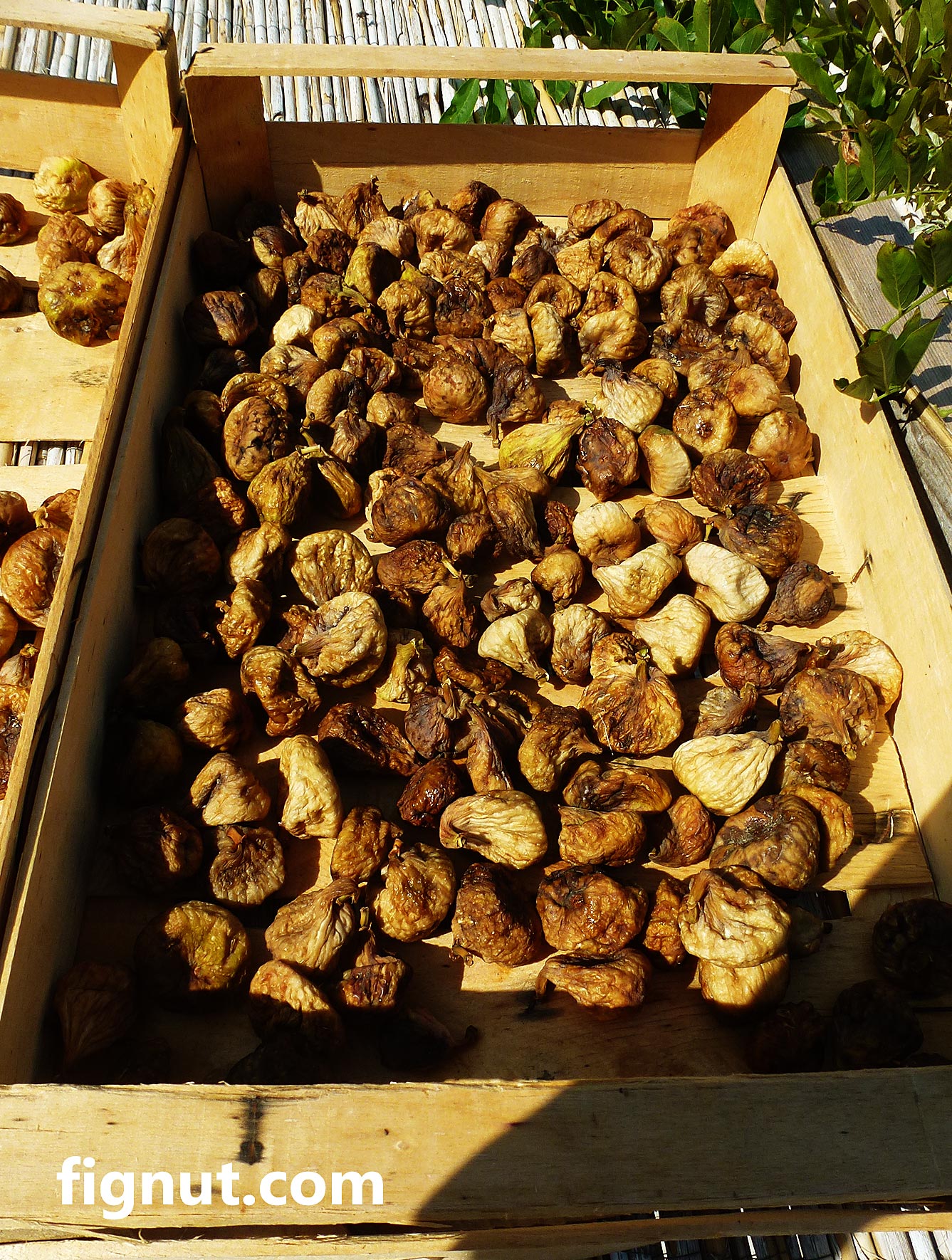
Credit: fignut.com

Credit: www.delightfulrepast.com
Frequently Asked Questions
How Long Does It Take To Dry Figs At Home?
Drying figs usually takes 2 to 4 days depending on the method used. Sun drying can take longer, while oven drying is faster. Check figs daily to avoid over-drying.
What Is The Best Way To Dry Figs Indoors?
Use an oven set to low heat or a food dehydrator for indoor drying. Slice figs evenly for quicker drying. Keep the door slightly open to let moisture escape.
How Do You Store Dried Figs Properly?
Store dried figs in airtight containers in a cool, dark place. Refrigeration can extend their shelf life. Keep them away from moisture to avoid mold.
Conclusion
Drying figs at home is simple and rewarding. Fresh figs turn sweet and chewy after drying. You only need time, space, and some patience. Sun drying, oven, or dehydrator all work well. Store dried figs in a cool, dry place.
Use them in snacks, baking, or cooking. Enjoy natural sweetness anytime you want. Try drying figs yourself and taste the difference.