
When it comes to choosing bakeware, you might wonder: ceramic or glass? Both look great and promise tasty results, but which one truly fits your cooking style?
Your choice can change how your meals turn out, how easy cleanup is, and even how long your bakeware lasts. You’ll discover the real differences between ceramic and glass bakeware—so you can pick the perfect one for your kitchen and start baking like a pro.
Keep reading to make smarter, tastier decisions every time you bake.

Credit: www.joyye.com
Material Properties
Choosing the right bakeware depends a lot on the material it is made from. Ceramic and glass have different properties that affect cooking and cleaning. Understanding these traits helps in picking the best option for your kitchen needs.
Both materials are popular but serve different purposes. Knowing how they handle heat, their strength, and stickiness can improve your baking results.
Heat Distribution
Ceramic heats slowly and spreads heat evenly. This helps food cook uniformly without hot spots. Glass also heats evenly but takes longer to warm up. It keeps heat longer after removing from the oven, which can continue cooking food. Both materials cool down slowly, which is good for steady cooking.
Durability And Strength
Ceramic is strong but can crack under sudden temperature changes. It resists scratches well and lasts long with proper care. Glass is less resistant to impact and can break if dropped. It handles temperature shifts better than ceramic but may chip over time. Both need gentle handling to avoid damage.
Non-stick Qualities
Ceramic bakeware often has a smooth, glazed surface that helps food release easily. It may require less oil or butter. Glass is naturally non-stick but can sometimes cause food to stick more than ceramic. Using a small amount of grease improves food release for both types. Cleaning is easier with less stuck-on food.
Performance In Baking
Choosing the right bakeware affects how your food cooks. Ceramic and glass bakeware both have good qualities. Their performance in baking differs in several ways. Understanding these differences helps you bake better dishes every time.
Cooking Times And Temperature
Ceramic heats up slowly but holds heat longer. Glass heats quickly and cools down faster. Ceramic works well with steady, even baking. Glass can cook food faster at the same temperature. Adjust cooking times slightly depending on the material.
Moisture Retention
Ceramic bakeware keeps moisture inside better. It helps food stay soft and tender. Glass allows some moisture to escape. This can make baked goods a bit drier. Choose ceramic for moist casseroles or bread. Use glass for dishes where crisp edges matter.
Browning And Crispiness
Glass bakeware promotes better browning and crispiness. Its smooth surface lets heat touch food directly. Ceramic’s porous surface absorbs some moisture, reducing crispiness. For crispy crusts or golden tops, glass is best. Ceramic suits creamy or soft-textured foods more.
Care And Maintenance
Proper care and maintenance help your bakeware last longer. Both ceramic and glass need gentle handling. Cleaning, storing, and handling them the right way keeps them safe from damage. This section guides you on how to care for these materials effectively.
Cleaning Tips
Use warm water and mild soap for cleaning. Avoid harsh scrubbing pads that can scratch surfaces. Let the bakeware cool before washing to prevent cracking. For stuck-on food, soak the bakeware in warm water. Use a soft cloth or sponge for gentle cleaning. Avoid dishwasher use if the manufacturer advises against it.
Storage Recommendations
Store bakeware in a dry place to avoid moisture buildup. Stack items carefully with soft padding between them. Keep ceramic and glass separate from heavy metal pans. Store lids separately to prevent chipping. Avoid overcrowding shelves to reduce the risk of damage.
Handling Precautions
Handle bakeware with dry hands for better grip. Avoid sudden temperature changes to prevent cracking. Use oven mitts or thick towels when removing from the oven. Do not place hot bakeware on cold surfaces. Avoid dropping or bumping against hard objects.
Design And Aesthetic Appeal
Design and aesthetic appeal play a big role in choosing bakeware. The look of your bakeware can add charm to your kitchen. It can also make your food look more inviting. Both ceramic and glass bakeware bring unique styles to the table. Understanding their design features helps pick the best fit for your needs.
Color And Style Options
Ceramic bakeware offers a wide range of colors. Bright reds, blues, and greens brighten up any kitchen. Patterns and textures add a touch of personality. Glass bakeware is usually clear or lightly tinted. Its simple look fits well in any kitchen style. Ceramic pieces often serve as decorative items. Glass is more neutral and blends easily with other dishes.
Versatility For Serving
Ceramic bakeware often doubles as a serving dish. Its attractive design makes it perfect for table presentation. Warm colors create a cozy feel during meals. Glass bakeware shows off the food inside clearly. It suits casual and formal dining. Both materials can go from oven to table safely. This saves time and reduces dishwashing.
Cost And Value
Bakeware cost matters for many home cooks. Choosing between ceramic and glass affects your budget and kitchen experience. Both types have different prices and values. This section explores their cost and value to help you decide.
Price Comparison
Glass bakeware usually costs less than ceramic. Basic glass dishes start at low prices. Ceramic bakeware is often more expensive. It has stylish designs and colors. Prices vary by brand and size. Glass is affordable for simple baking needs. Ceramic suits those who want an attractive kitchen.
Long-term Investment
Ceramic lasts long with proper care. It resists scratches and heat well. Glass can break easily if dropped. Ceramic maintains its look over time. Glass may get cloudy or stained. Both materials work well in ovens. Ceramic’s durability adds value for long use. Glass is good for occasional baking. Think about how often you bake before buying.
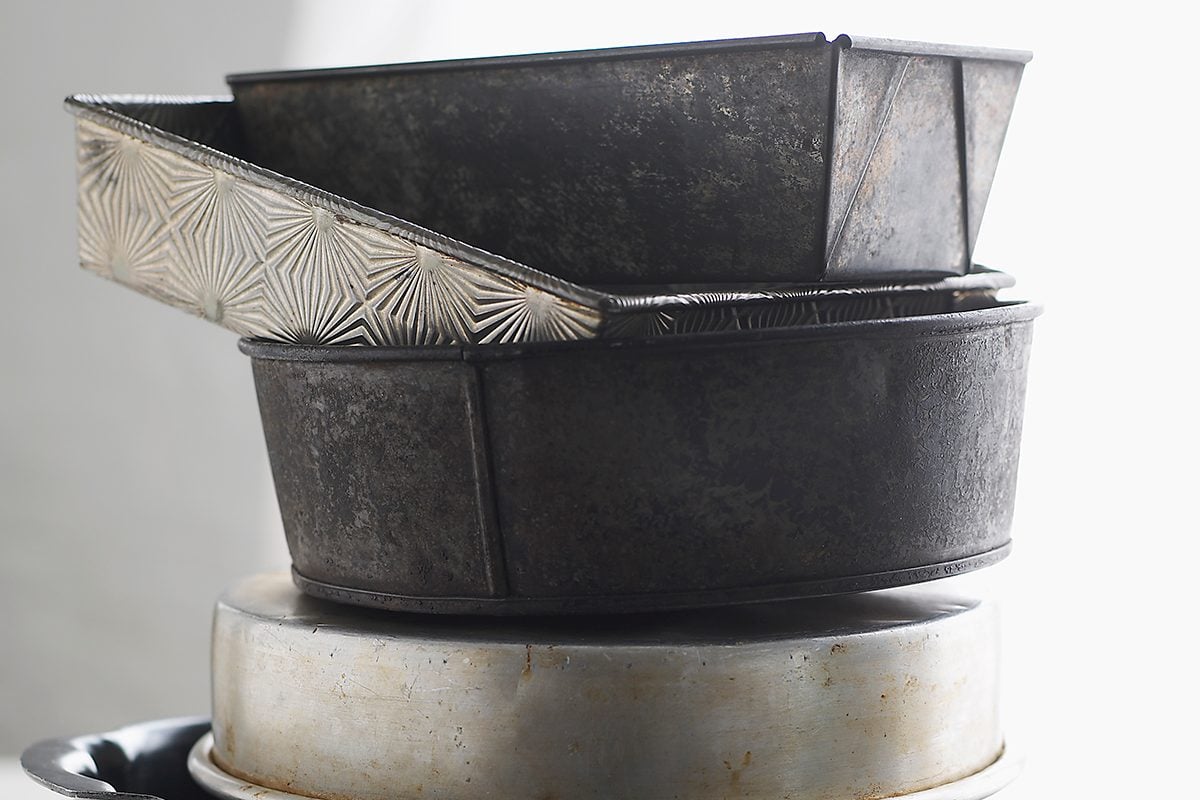
Credit: www.tasteofhome.com
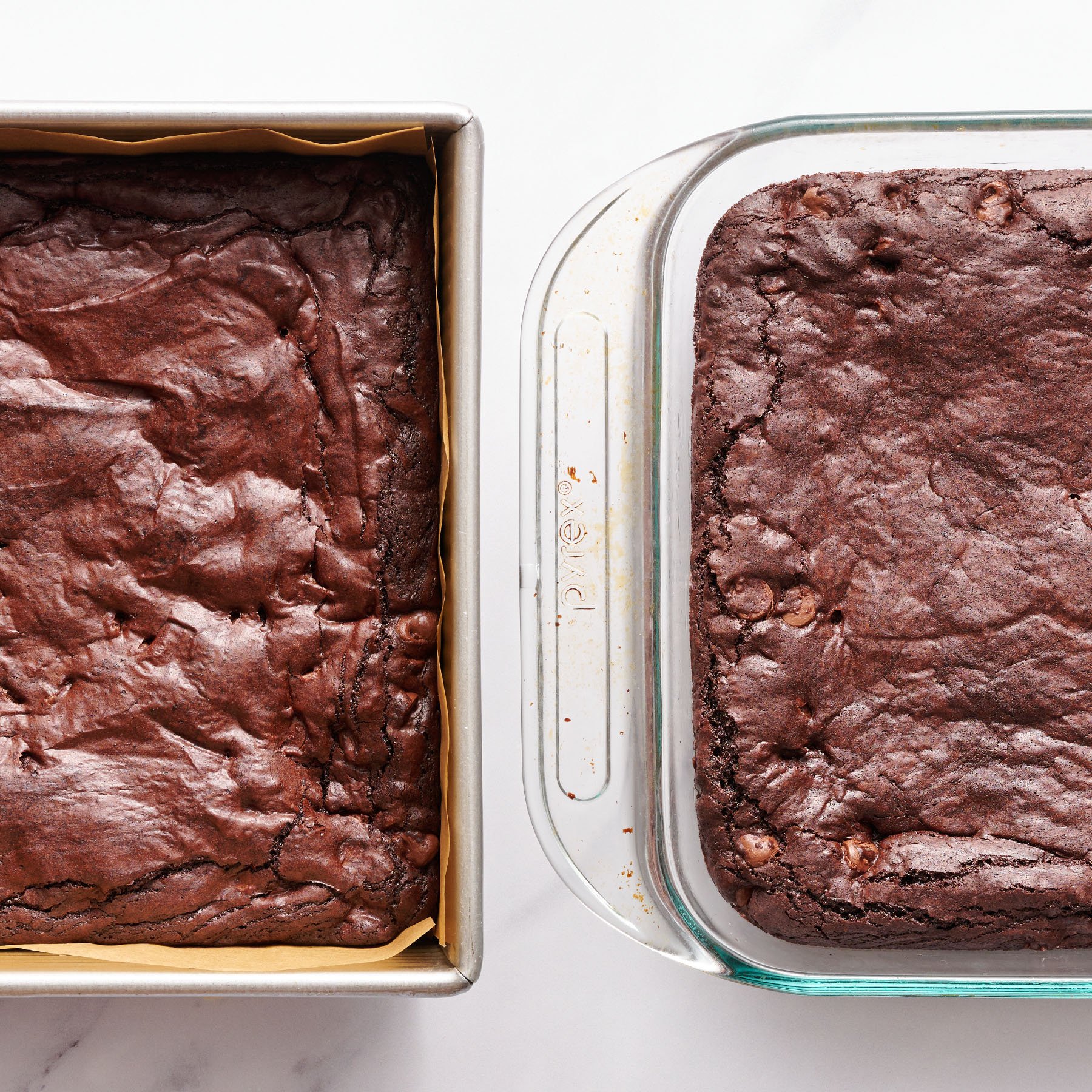
Credit: handletheheat.com
Frequently Asked Questions
What Are The Main Differences Between Ceramic And Glass Bakeware?
Ceramic bakeware heats evenly and holds heat longer. Glass bakeware heats quickly but cools down faster. Both are safe and non-reactive materials.
Is Ceramic Or Glass Bakeware Better For Baking Cakes?
Ceramic provides even heat, ideal for moist cakes. Glass can cause edges to brown faster. Choose based on the cake texture you want.
Can Ceramic And Glass Bakeware Go In The Dishwasher?
Yes, both ceramic and glass bakeware are usually dishwasher safe. Check manufacturer instructions to avoid damage. Hand washing can extend their lifespan.
Which Bakeware Type Is Safer For High-temperature Cooking?
Ceramic can handle high heat but may crack if sudden changes occur. Glass is safe up to certain temperatures but can break if overheated. Use care with both.
Does Ceramic Or Glass Bakeware Affect Cooking Time?
Glass bakeware cooks food slightly faster than ceramic. Ceramic holds heat longer, which can continue cooking after oven removal. Adjust cooking times accordingly.
Conclusion
Choosing between ceramic and glass bakeware depends on your cooking style. Ceramic heats evenly and holds heat longer. Glass bakeware shows food clearly while baking. Both types clean up easily and last well with care. Consider your oven and recipe needs before deciding.
Either choice can help you bake tasty meals. Try both to see which fits your kitchen best. Simple tools, great results.