
Have you ever wanted fresh, warm bread right from your kitchen without the hassle? Your bread machine can make that dream a reality.
But how do you get started? Knowing how to work a bread machine correctly can save you time, effort, and frustration while giving you delicious results every time. In this guide, you’ll discover simple steps and insider tips that will help you master your bread machine quickly.
Ready to impress yourself and your loved ones with homemade bread? Let’s dive in and make it happen.
Credit: carnautic.com
Choosing The Right Bread Machine
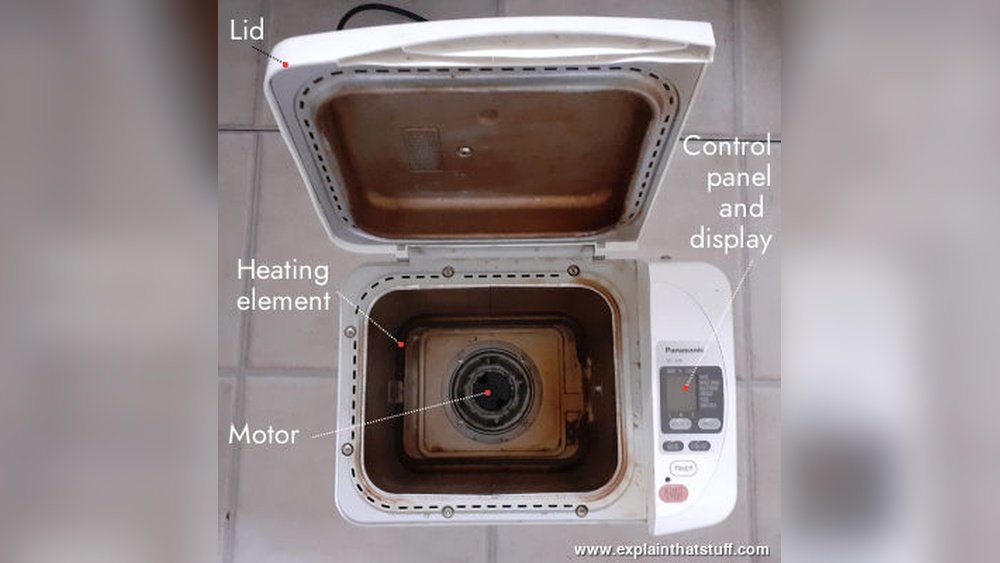
Choosing the right bread machine makes baking easier and more fun. A good machine fits your needs and kitchen space. It helps you bake fresh bread at home with less effort. Consider what features matter most to you before buying one.
Features To Look For
Look for machines with multiple baking settings. Different settings allow you to bake various bread types. A timer feature lets you set baking to start later. Non-stick pans make cleaning quick and simple. Some machines include dough-only modes for pizza or rolls. Easy-to-use controls help avoid confusion.
Size And Capacity
Choose a size that fits your kitchen space. Small machines are good for singles or couples. Larger machines can bake bigger loaves for families. Check the capacity, usually listed in pounds. Pick a machine that bakes the right loaf size for you.
Budget Considerations
Bread machines come in many price ranges. Basic models cost less and cover simple baking needs. Higher-priced machines offer more features and settings. Decide what features you need before spending more. A good machine lasts years, so invest wisely.
Essential Ingredients For Bread
Bread machines make baking bread simple and fun. The secret to great bread lies in choosing the right ingredients. Each ingredient plays a special role in making your bread soft, fluffy, and tasty. Knowing these basics helps you get the best results every time.
Types Of Flour
Flour is the main ingredient in bread. Different flours change the bread’s texture and flavor. All-purpose flour works well for most breads. Bread flour has more protein, which helps bread rise better. Whole wheat flour adds a nutty taste and is healthier. Try mixing flours to get the texture and taste you want.
Yeast Varieties
Yeast makes bread rise by creating air bubbles. Active dry yeast is common and easy to use. Instant yeast works faster and does not need to be dissolved first. Fresh yeast is less common but gives a rich flavor. Always check the yeast’s expiration date for best results.
Additional Ingredients
Salt adds flavor and controls yeast growth. Sugar feeds the yeast and helps the bread brown. Water or milk hydrates the flour and activates the yeast. Oils and butter make bread soft and moist. Seeds, nuts, and herbs add texture and taste. Measure all ingredients carefully for perfect bread.
Setting Up Your Bread Machine
Setting up your bread machine correctly helps you bake fresh, tasty bread. Follow clear steps to ensure good results every time. Proper setup saves time and prevents mistakes. Start with clean tools and a dry machine. Prepare ingredients carefully for best texture and taste.
Measuring Ingredients Accurately
Use a kitchen scale for precise measurements. Weigh flour and sugar for consistent results. Spoon flour into the measuring cup, then level it off with a knife. Measure liquids in a clear cup at eye level. Small errors can change bread texture and rise.
Loading The Machine
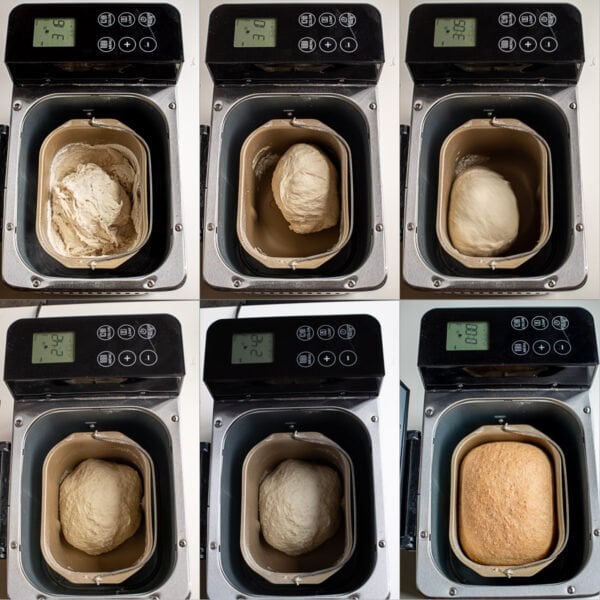
Place the bread pan firmly inside the machine. Add ingredients in the order your recipe says. Usually, liquids go first, then dry ingredients. Put yeast last, avoiding contact with liquids. This keeps yeast fresh until mixing starts.
Selecting The Program
Choose the program that matches your bread type. Basic white bread uses a standard setting. Whole grain bread needs a longer cycle. Some machines offer gluten-free or quick bake options. Press start and let the machine do the work.
Troubleshooting Common Issues
Troubleshooting common issues with a bread machine helps ensure perfect bread every time. Problems can happen, but most have simple fixes. Understanding these issues saves time and frustration.
Dough Not Rising
Dough may not rise if yeast is old or dead. Check the expiration date on the yeast package. Use warm water, about 110°F, to activate yeast properly. Cold water slows yeast growth. Too much salt or sugar can stop rising. Measure ingredients carefully for best results.
Bread Texture Problems
Bread can be too dense or crumbly. This often happens from wrong flour type. Use bread flour for better gluten development. Too much flour makes bread heavy. Add flour slowly until dough feels soft but not sticky. Overmixing can also harm texture. Follow recipe mixing times.
Machine Malfunctions
Sometimes the bread machine stops or makes strange noises. Check power supply and plug connections first. Clean the kneading blade and pan regularly to avoid jams. Make sure the pan is locked in place. If problems continue, consult the user manual or customer support.
Tips For Perfect Bread Every Time
Baking bread with a bread machine can be easy and fun. Perfect bread needs some simple tips. These tips help you get soft, fresh bread every time. Follow them to enjoy warm bread straight from your machine.
Timing And Patience
Set the right baking time on your machine. Do not rush the process. Let the dough rise fully before baking. Bread needs time to develop taste and texture. Check your machine’s instructions for best timing. Patience leads to soft and fluffy bread.
Experimenting With Flavors
Try adding herbs, seeds, or nuts to your dough. Small changes create new taste experiences. Use fruits like raisins or dried cranberries for sweetness. Start with small amounts to keep balance. Changing flavors keeps baking exciting and tasty.
Cleaning And Maintenance
Clean your bread machine after each use. Remove crumbs and dough bits to avoid smells. Use a soft cloth and mild soap. Do not soak or use harsh chemicals. Regular cleaning helps your machine last longer and work better.

Credit: www.youtube.com
Credit: www.kingarthurbaking.com
Frequently Asked Questions
How Do I Choose The Right Ingredients For A Bread Machine?
Use fresh, high-quality ingredients like flour, water, yeast, and salt. Measure carefully to keep the bread texture perfect. Avoid using expired yeast as it may stop the bread from rising.
What Is The Correct Order To Add Ingredients In A Bread Machine?
Add liquids first, then dry ingredients, and finally yeast on top. This stops the yeast from activating too soon. Follow your machine’s manual for the best results.
How Long Does It Take To Bake Bread In A Bread Machine?
Most bread machines take about 3 to 4 hours to bake a loaf. The time can change based on loaf size and settings. Use the timer feature to have fresh bread ready when you want.
Conclusion
Using a bread machine makes baking bread simple and fun. Just add ingredients, choose a setting, and start. Fresh bread comes out warm and ready to enjoy. You can try many recipes and flavors. Cleaning the machine is quick and easy too.
Baking your own bread saves money and tastes great. Give it a try, and enjoy homemade bread anytime. Simple steps lead to delicious results. Happy baking!