
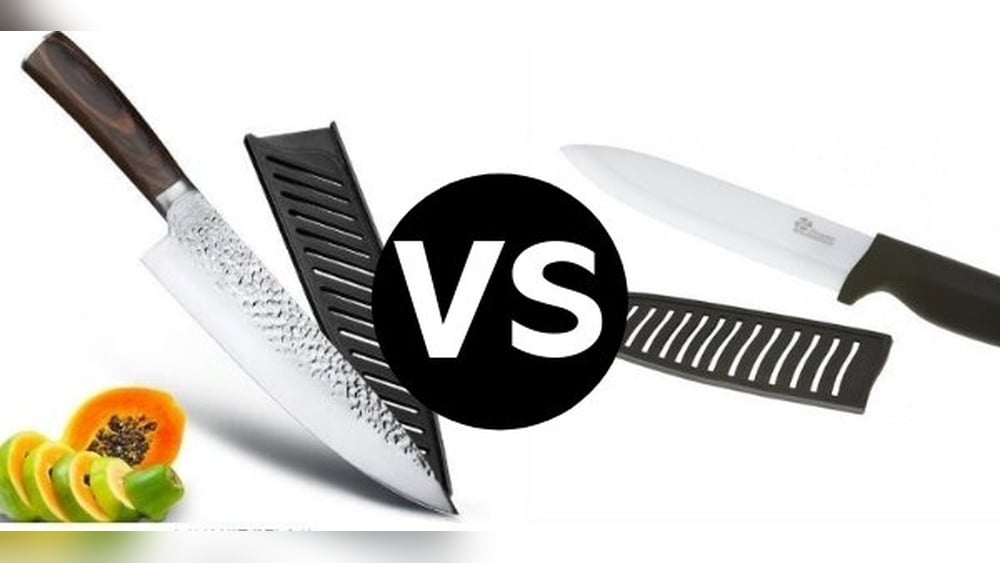
Are you tired of struggling with dull knives that make cooking frustrating? Choosing the right knife can change the way you prepare meals every day.
But when it comes to ceramic vs steel knives, which one is truly best for your kitchen? Understanding the differences can save you time, effort, and money. Keep reading to discover which knife fits your style and needs perfectly—and make your chopping, slicing, and dicing easier than ever before.
Ceramic Vs Steel Knives
| Feature | Ceramic Knives | Steel Knives |
|---|---|---|
| Material | Made from zirconium dioxide (zirconia) | Made from stainless steel or carbon steel |
| Sharpness | Extremely sharp and retains edge for a long time | Very sharp but dulls faster with use |
| Edge Retention | Excellent – stays sharp for months or years | Good – needs regular sharpening |
| Weight | Very lightweight | Heavier and more balanced |
| Rust Resistance | 100% rust-proof | Can rust if not properly maintained |
| Durability | Brittle – can chip or break if dropped | Very durable and can handle tough tasks |
| Maintenance | Low maintenance – rarely needs sharpening | Requires frequent sharpening and care |
| Best For | Slicing fruits, vegetables, boneless meat | Cutting bones, frozen food, and general kitchen tasks |
| Sharpening Difficulty | Requires special diamond sharpener | Easy to sharpen with regular tools |
| Price | Generally more expensive | Available in wide price ranges |
| Magnet Compatibility | Non-magnetic | Magnetic |
| Appearance | Sl |
Material Properties
Choosing between ceramic and steel knives often comes down to their material properties. These properties affect how the knives perform in the kitchen. Understanding these differences helps you pick the right knife for your needs.
Durability And Hardness
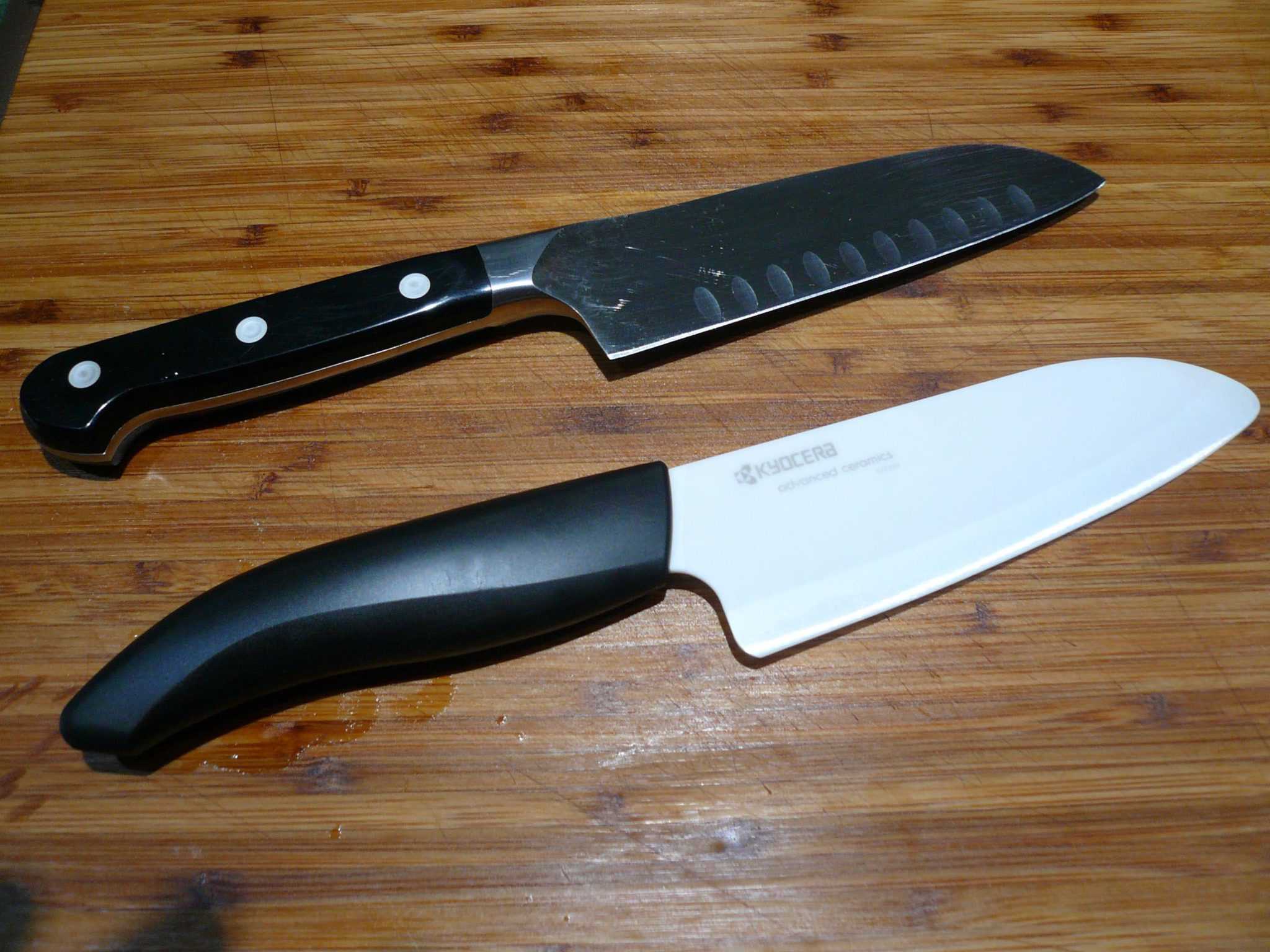
Ceramic knives are very hard. They keep their sharp edge for a long time. But they are brittle and can chip or break if dropped. Steel knives are tough and can handle rough use. They may need sharpening more often but resist breaking better.
Weight And Balance
Ceramic knives are lighter than steel ones. This makes them easy to handle and less tiring to use. Steel knives are heavier, giving a solid feel in your hand. The balance between blade and handle helps with control and precision.
Credit: www.businessinsider.com
Cutting Performance
Cutting performance is a key factor in choosing between ceramic and steel knives. It affects how smoothly and accurately you can slice through food. Each type has unique strengths that impact sharpness and how long the blade stays effective.
Sharpness And Precision
Ceramic knives are known for their sharp edges. They slice cleanly through fruits and vegetables. Their hardness allows for very precise cuts, which is useful for delicate tasks. Steel knives are sharp too, but they may need more frequent sharpening. Steel blades offer more control for tougher foods like meat or dense vegetables.
Edge Retention
Ceramic blades keep their edge longer than most steel knives. They resist wear and do not rust. This means less sharpening is needed over time. Steel knives lose sharpness faster but can be sharpened easily at home. They handle impacts better, so they are less likely to chip or break during use.
Maintenance Needs
Maintaining ceramic and steel knives differs in many ways. Each type needs special care to keep sharp and last longer. Understanding these needs helps you use the right methods for each knife.
Sharpening Techniques
Ceramic knives need special diamond sharpeners. Regular sharpeners can damage their edges. Steel knives can be sharpened with whetstones or electric sharpeners. Steel is easier to sharpen but needs more frequent attention. Sharpen carefully to avoid breaking ceramic blades.
Cleaning And Care
Clean ceramic knives by hand using mild soap and water. Avoid rough scrubbing to prevent scratches. Steel knives can handle more scrubbing but avoid harsh chemicals. Both knives should be dried immediately to stop rust or stains. Store knives safely to protect their edges and prevent accidents.

Credit: www.sliceproducts.com
Safety And Handling
Safety and handling are key when choosing between ceramic and steel knives. Both types have unique features that affect how safe they feel and how easy they are to use. Understanding these factors helps pick the right knife for daily tasks.
Risk Of Chipping Or Breaking
Ceramic knives are very hard but can chip or break easily. Dropping them or cutting hard items may cause damage. This makes them less forgiving in busy kitchens. Steel knives are tougher and bend slightly under pressure. They rarely break and can handle tougher tasks safely.
Comfort And Grip
Steel knives usually have heavier handles, offering a firm and stable grip. This helps control during cutting and reduces hand fatigue. Ceramic knives are lighter and may feel less secure. Some handles are smooth, making slips more likely. Grip comfort affects safety more than many realize.
Cost And Value
Cost and value play a big role in choosing between ceramic and steel knives. The price you pay upfront and the knife’s lifespan affect the overall worth. Understanding these factors helps make a smart choice for your kitchen.
Initial Investment
Ceramic knives usually cost more at the start. They have a sharp edge and a modern look. Steel knives come in many price ranges. You can find both budget and high-end options. The initial cost depends on the brand and quality.
Longevity And Replacement
Steel knives last longer with proper care. They can be sharpened many times. Ceramic knives stay sharp longer but are fragile. They may chip or break easily. Replacing ceramic knives can add to the total cost. Steel knives give better value over time due to durability.
Credit: budomat.net.pl
Frequently Asked Questions
What Are The Main Differences Between Ceramic And Steel Knives?
Ceramic knives are lighter and stay sharp longer. Steel knives are stronger and resist breaking better.
Which Knife Type Is Better For Everyday Kitchen Use?
Steel knives work well for most tasks. Ceramic knives suit cutting fruits and vegetables best.
How Should I Care For Ceramic Versus Steel Knives?
Ceramic knives need gentle hand washing and careful storage. Steel knives can handle more rough use and sharpening.
Conclusion
Both ceramic and steel knives have clear strengths and weaknesses. Ceramic knives stay sharp longer but can chip easily. Steel knives are strong and easy to sharpen but may rust. Choose based on your cooking needs and care habits. Think about how often you cook and what you cut most.
Either knife can work well if you use it right. Keep blades clean and store them safely. Good knives make cooking easier and more enjoyable.
- 5 Best Ceramic Paring Knife: Top Picks for Precision and Durability
- Best Inexpensive Kitchen Knife: Top Budget Picks for Every Home Chef
- Best Knives for Barbecue: Top Picks for Perfect Grilling Cuts
- Best Cheap Knives for the Kitchen: Top Affordable Picks Reviewed
- Best Belt Knife Reviews: Top Durable and Sharp Picks