
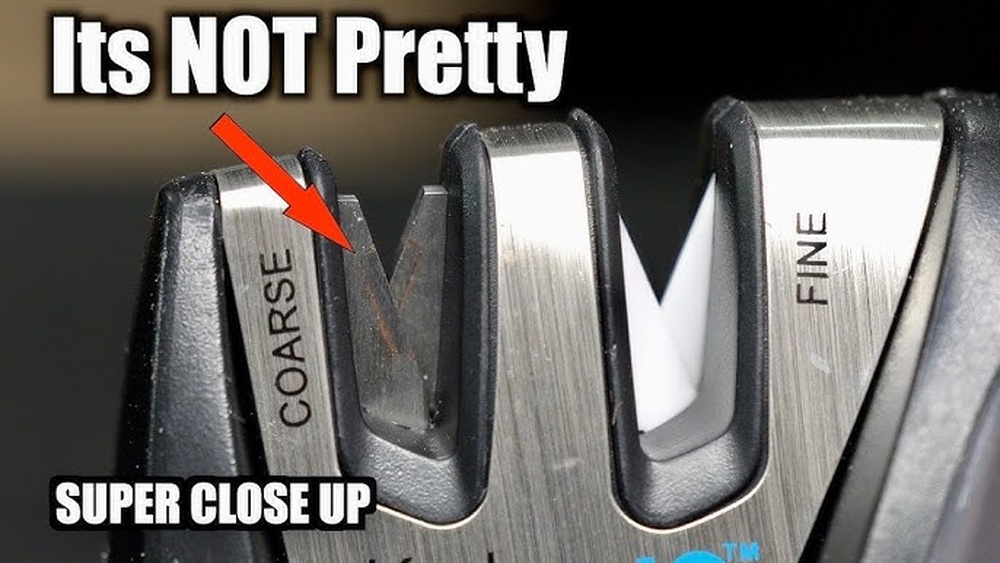
Do knife sharpener works? Yes, knife sharpeners work effectively when used correctly. They restore a blade’s edge by removing small amounts of metal to create a new, sharp bevel. Manual, electric, or whetstone sharpeners can all make dull knives sharp again, improving cutting performance and extending the knife’s lifespan.
Have you ever struggled with a dull knife that just won’t cut through your favorite ingredients? You’re not alone.
A sharp knife makes cooking faster, safer, and more enjoyable. But with so many knife sharpeners on the market, you might wonder: do knife sharpeners really work? You’ll discover the truth behind these tools and learn how to keep your knives in top shape.
Keep reading—you’re about to unlock secrets that will change the way you cook forever.
Credit: worksharptools.com
Do Knife Sharpener Works?
How Knife Sharpeners Work
Understanding how knife sharpeners work can change the way you care for your kitchen tools. A sharp knife not only cuts better but also keeps you safer. Knowing what happens when you use a sharpener helps you choose the right one and use it effectively.
There are several types of knife sharpeners, each using a different method to sharpen your blade.
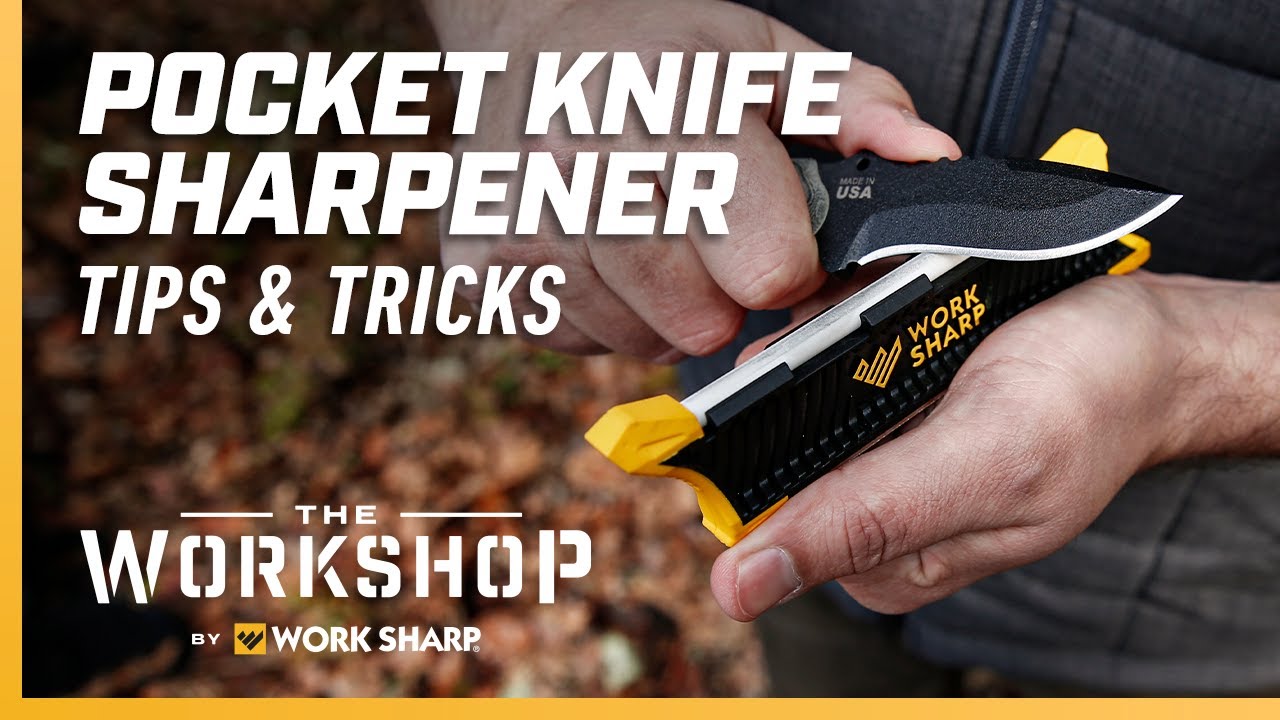
- Manual Sharpeners: These usually have abrasive surfaces like ceramic or carbide. You pull your knife through slots to grind and hone the edge.
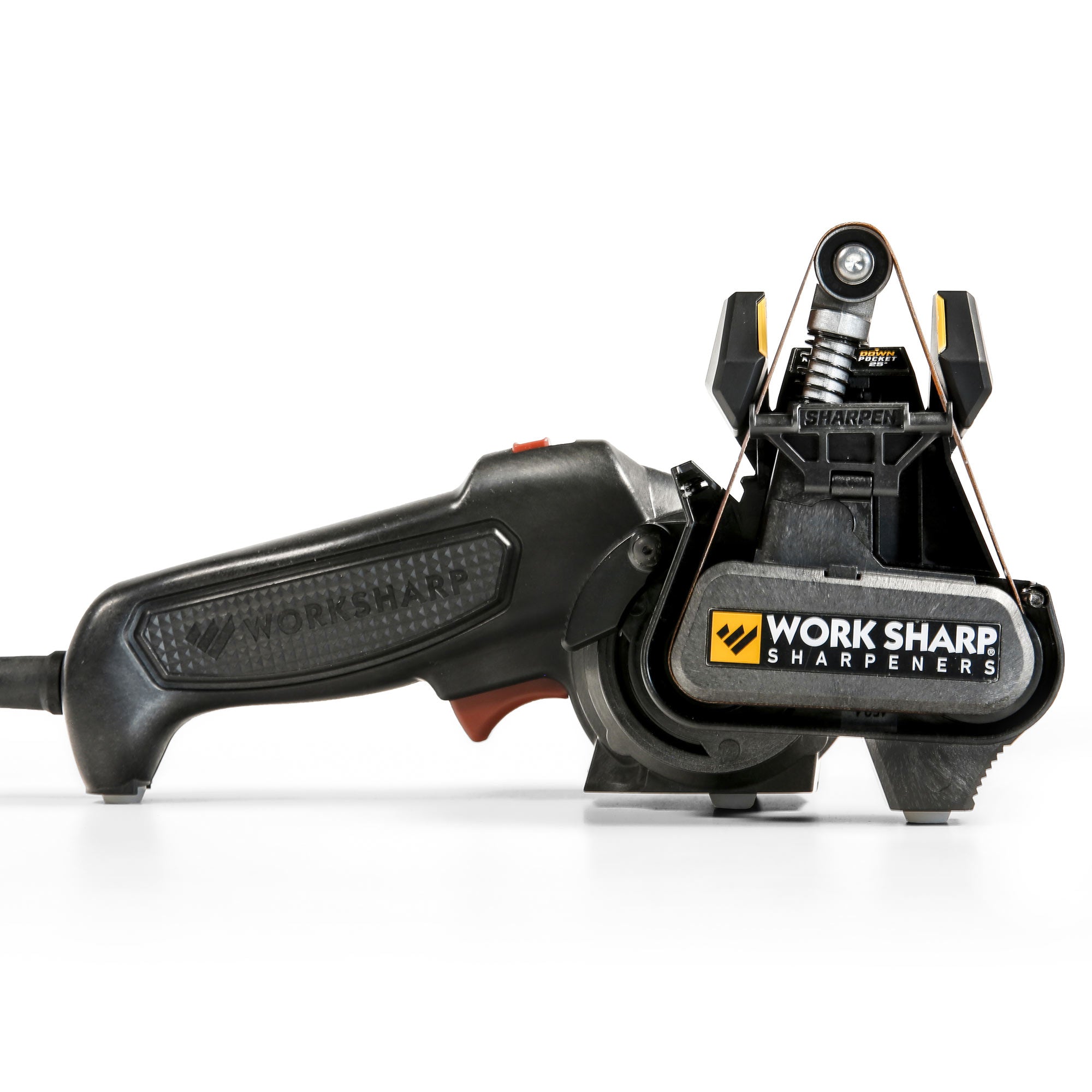
- Electric Sharpeners: Powered devices with spinning wheels that sharpen quickly and with less effort.
- Sharpening Stones: Also called whetstones, these require you to slide the blade across the stone at a specific angle.
How The Sharpening Process Works
Sharpening removes a tiny layer of metal from your knife’s edge. This reshapes the blade to form a new, sharper edge. Over time, repeated sharpening keeps the blade thin and effective.
Think about your last time sharpening a dull knife. You probably noticed metal shavings or felt resistance. That’s the metal being worn away to restore sharpness.
Choosing The Right Angle For Sharpening
The angle at which you sharpen your knife matters a lot. Too steep, and the edge may be sharp but fragile. Too shallow, and the edge won’t be sharp enough.
Most kitchen knives are sharpened between 15 to 20 degrees per side. You can measure this with a simple angle guide or by practicing. Do you know the angle you usually hold your knife at?
Maintaining Your Knife After Sharpening
After sharpening, your knife needs care to keep its edge longer. Regular honing aligns the blade without removing metal. Using a honing rod before or after cutting helps maintain sharpness.
Also, avoid cutting on hard surfaces like glass or stone. Instead, choose wood or plastic boards to protect the edge. Have you noticed how quickly knives dull when used on rough surfaces?
Types Of Knife Sharpeners
Choosing the right knife sharpener matters for keeping your blades effective. Various types exist, each with unique features and benefits. Understanding these types helps in picking the best option for your needs. Sharp knives make cutting easier and safer. Below are the main types of knife sharpeners you can use.
Manual Sharpeners
Manual sharpeners are simple tools with grooves for sharpening blades. They usually have a handle and a slot where you pull the knife. These sharpeners use abrasive materials to grind the blade edge. They work fast and require little skill. Ideal for quick touch-ups and home use. They are affordable and easy to carry.
Electric Sharpeners
Electric sharpeners use motorized wheels or belts to sharpen knives. They are faster than manual sharpeners and need less effort. Just place the knife in the slot and let the machine do the work. They offer consistent results and multiple sharpening stages. Best for people who sharpen knives often or in large numbers. These sharpeners are generally more expensive.
Sharpening Stones
Sharpening stones are flat stones with abrasive surfaces. Users slide the knife blade across the stone to sharpen it. Stones come in different grit levels for coarse to fine sharpening. They require some skill and practice to use well. Sharpening stones offer precise control over the blade edge. They are durable and can sharpen all blade types. Perfect for those who want a traditional sharpening method.
Benefits Of Using A Knife Sharpener
Using a knife sharpener offers many benefits for home cooks and professionals. Sharp knives make cutting easier and safer. They save time and effort in the kitchen. Dull knives can slip and cause accidents. Sharpening keeps blades in good shape for longer use.
Regular sharpening improves knife performance. It ensures clean cuts and better control. This helps preserve the texture and appearance of food. Sharp knives reduce damage to delicate ingredients like herbs and vegetables.
Improves Cutting Efficiency
Sharp knives cut through food smoothly. Less force is needed to slice or chop. This makes cooking faster and less tiring. It also helps keep food pieces uniform in size.
Increases Safety In The Kitchen
Dull knives require more pressure. This increases the risk of slipping and injury. Sharp knives give better grip and control. They reduce accidents while preparing meals.
Extends Knife Lifespan
Regular sharpening prevents blade damage. It stops chips and dents from forming. Well-maintained knives last longer and perform better. This saves money by avoiding frequent replacements.
Saves Time And Effort
Sharp knives make cutting faster and easier. Less force means less hand strain. This helps with long cooking sessions. It also speeds up meal preparation overall.
Credit: www.youtube.com
Common Mistakes When Sharpening
Sharpening knives seems simple, but many people make mistakes. These errors can damage the blade or reduce sharpness. Avoiding common mistakes helps keep knives effective and safe.
Using The Wrong Angle
Each knife needs a specific sharpening angle. Using the wrong angle can dull the blade faster. Keep a consistent angle during sharpening for best results.
Applying Too Much Pressure
Pressing hard does not make knives sharper. It can wear out the blade unevenly. Use gentle, steady strokes instead of heavy force.
Sharpening Only One Side
Sharpening one side only creates an uneven edge. Always sharpen both sides evenly. This balances the blade and improves cutting performance.
Skipping Regular Maintenance
Sharpening too rarely causes dull blades. Regular sharpening keeps knives sharp and safe. Small touch-ups prevent big problems later.
Not Cleaning The Sharpener
Knife sharpeners collect metal particles over time. These bits can scratch or damage blades. Clean the sharpener after each use to avoid this issue.
Tips For Fast And Effective Sharpening
Sharpening knives quickly and well saves time and effort. It also keeps blades safe and effective. Follow clear steps for best results.
Simple tips can improve sharpening speed and quality. Proper technique matters. The right tools help too.
Prepare The Knife And Sharpener
Clean the knife before sharpening. Remove dirt and food bits. Choose a sharpener that fits your knife type. A steady surface helps.
Use Consistent Pressure And Angle
Hold the knife at a steady angle. Usually, 15 to 20 degrees works well. Apply even pressure. Avoid pushing too hard or too soft.
Sharpen Both Sides Evenly
Sharpen one side then the other. Keep the number of strokes equal. This keeps the blade balanced and sharp.
Check Sharpness Regularly
Test the blade often during sharpening. Use a soft material, like paper, to check. Stop when the blade cuts easily.
Clean And Store Properly After Sharpening
Wipe the blade clean after sharpening. Remove metal filings and residue. Store knives safely to keep the edge.

Credit: nz.brodandtaylor.com
Frequently Asked Questions
Do Knife Sharpeners Really Improve Blade Sharpness?
Yes, knife sharpeners restore a blade’s edge, making cutting easier and safer.
How Often Should I Sharpen My Kitchen Knives?
Sharpen knives every few months or when they start cutting poorly.
Can All Types Of Knives Be Sharpened With A Sharpener?
Most knives can be sharpened, but some specialty blades need special tools.
Conclusion
Knife sharpeners do help keep blades sharp and ready. They save time and effort compared to manual sharpening. Not all sharpeners work the same, so choose one that fits your knife type. Regular sharpening keeps knives safe and easy to use.
Sharp knives make cooking faster and more enjoyable. Remember, proper use and care extend your knife’s life. Try a sharpener and see the difference yourself. Sharp knives matter in every kitchen.
Read More
- What is the Best Brand of Chef’S Knives? Top Picks Revealed!
- How Big is a Bowie Knife: Discover Its Impressive Size Today
- How to Use a Knife Sharpener: Expert Tips for Razor-Sharp Blades
- What is the Best Pocket Knife of All Time? Ultimate Guide Revealed
- How to Pull Out Your Knife in Bo6? Master the Quick Draw!

Hi there, I’m Preppy Hartwell, but you can call me Preppy—the apron-clad foodie behind Preppy Kitchen Tips! I created Preppy Kitchen Tips because I’m convinced food has a way of telling stories that words can’t. So, grab a fork and dig in. The past never tasted so good!