

If you love figs and want to enjoy them longer, drying figs in a dehydrator is a smart choice. You get sweet, chewy snacks that are perfect for anytime munching or adding to your favorite recipes.
Imagine having a stash of delicious dried figs ready whenever you want, without worrying about them spoiling. In this guide, you’ll discover simple steps to dry figs at home, tips to get the best flavor, and how to store them so they stay fresh.
Keep reading, and you’ll be drying figs like a pro in no time!
Choosing The Right Figs
Choosing the right figs is key for drying them well in a dehydrator. The quality and type of fig affect taste and texture. Picking figs that suit drying helps keep their sweetness and shape. Freshness also matters to avoid spoilage during drying.
Best Fig Varieties
Some fig types dry better than others. Black Mission figs have a rich flavor and dry nicely. Kadota figs are lighter and keep a mild taste after drying. Adriatic figs are sweet and stay soft when dried. Pick varieties known for sweetness and firmness.
Ripeness And Quality Tips
Choose figs that feel soft but not mushy. They should have smooth skin without cracks or bruises. Avoid figs with mold or dark spots. Slightly underripe figs dry better and keep shape. Ripe figs taste sweeter but can become sticky after drying.
Credit: ourlittlehomestead.org
Preparing Figs For Drying
Preparing figs for drying is an important step to ensure the best taste and texture. Proper preparation helps the figs dry evenly and stay fresh longer. Taking time to clean and cut them correctly makes the drying process smooth and effective.
Washing And Drying
Start by washing the figs gently under cool water. This removes dirt and small bugs. Use your hands to rub the skin lightly. Avoid soaking the figs for too long. After washing, pat them dry with a clean towel. Make sure they are completely dry before drying. Wet figs can take longer and may spoil.
Cutting And Pitting Options
Decide how you want to cut the figs. You can dry them whole or sliced. Whole figs take longer to dry but keep their shape better. Sliced figs dry faster and are easier to store. Some people remove the tiny seeds inside. To do this, cut the fig in half and scoop out the seeds with a spoon. This step is optional but can help reduce drying time. Choose the method that fits your needs best.
Setting Up The Dehydrator
Setting up the dehydrator correctly is key to drying figs well. It helps keep the fruit fresh and tasty. Proper setup saves time and energy. It also ensures even drying. Follow simple steps for the best results.
Temperature Settings
Set the dehydrator temperature between 135°F and 140°F. This range dries figs without cooking them. Too hot can burn the fruit. Too low can leave figs soggy. Keep the temperature steady during the whole process.
Tray Arrangement
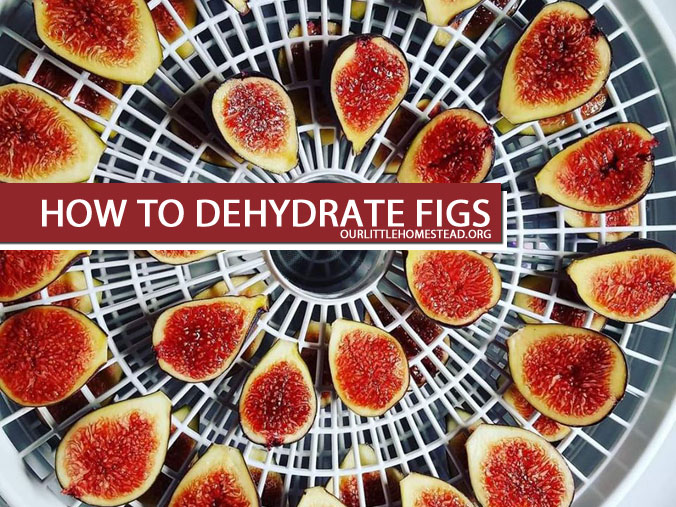
Place fig slices in a single layer on trays. Avoid overlapping to allow air to flow freely. Use all trays to dry more figs at once. Leave space between trays for even heat distribution. Rotate trays halfway through drying for uniform results.

Credit: www.luvele.com
Drying Process And Timing
Drying figs in a dehydrator is a simple and effective way to preserve their natural sweetness. The process involves removing moisture slowly to keep the figs chewy and flavorful. Timing plays a key role in achieving the perfect texture without losing nutrients.
Start by slicing the figs evenly. This helps them dry at the same rate. Set the dehydrator to about 135°F (57°C). Drying usually takes between 8 to 12 hours. The exact time depends on fig size, moisture, and your dehydrator model.
Checking For Doneness
Check figs after 8 hours. They should feel dry but still soft and pliable. Avoid over-drying, which makes figs hard and brittle. Slight stickiness on the surface is normal. Cut one fig open to see if it is evenly dried inside. If moisture remains, dry for another hour and check again.
Common Drying Issues
Uneven drying often happens from uneven fig slices or overcrowding trays. Arrange figs in a single layer with space between. Mold growth appears if figs are not dried enough. Remove any affected pieces immediately. Too high heat can cook figs instead of drying. Keep the dehydrator at the recommended temperature for best results.
Storing Dried Figs
Storing dried figs properly keeps them fresh and tasty for a long time. Good storage stops moisture and pests from spoiling your figs. It also helps keep their sweet flavor and chewy texture intact. Follow simple steps to store dried figs well after using a dehydrator.
Packaging Tips
Use airtight containers for dried figs. Glass jars with tight lids work great. Plastic bags with zip seals also keep air out. Make sure figs are cool and dry before packing. Avoid packing warm figs to stop condensation inside containers. Label each package with the date you dried the figs. This helps track freshness over time.
Shelf Life And Storage Conditions
Dried figs last about 6 to 12 months when stored right. Keep them in a cool, dark place away from sunlight. Avoid heat and humidity to prevent mold growth. A pantry or cupboard works well. For longer storage, keep dried figs in the refrigerator. Freezing figs can extend shelf life up to a year or more. Always check for signs of spoilage before eating.

Credit: www.savoringthegood.com
Frequently Asked Questions
How Long Does It Take To Dry Figs In A Dehydrator?
Drying figs usually takes 8 to 12 hours in a dehydrator. Time varies by fig size and dehydrator model. Check figs often for desired dryness.
What Temperature Is Best For Drying Figs In A Dehydrator?
Set the dehydrator temperature to 135°F (57°C) for drying figs. This temperature dries fruit evenly without cooking it. It preserves flavor and nutrients well.
Can Dried Figs Be Stored At Room Temperature?
Yes, dried figs can be stored at room temperature. Keep them in an airtight container to prevent moisture and pests. For longer storage, use the refrigerator.
Conclusion
Drying figs in a dehydrator is simple and rewarding. You get tasty, healthy snacks that last longer. Just prepare the figs, set the right temperature, and wait patiently. The process keeps the natural flavor and nutrients well. Enjoy dried figs as a quick snack or in recipes.
Try drying your own figs and see the difference. It saves money and reduces waste. Give it a go and enjoy fresh, dried figs anytime.

Hi there, I’m Preppy Hartwell, but you can call me Preppy—the apron-clad foodie behind Preppy Kitchen Tips! I created Preppy Kitchen Tips because I’m convinced food has a way of telling stories that words can’t. So, grab a fork and dig in. The past never tasted so good!