

If you love fresh herbs but want to enjoy their flavor all year round, drying them is the key. Using a dehydrator makes this process quick, easy, and effective.
Imagine having your favorite herbs ready to enhance any dish without worrying about spoilage. You’ll discover simple steps to dry herbs perfectly in a dehydrator, saving you time and preserving their natural taste. Keep reading to unlock the secret to fresh, flavorful herbs anytime you need them!
Choosing Herbs For Drying
Choosing the right herbs for drying is important for the best flavor and aroma. Not all herbs dry well, so pick those that keep their taste after drying. Fresh, healthy leaves work best. Avoid herbs with damage or disease.
Best Herbs To Dehydrate
Some herbs dry better than others. Basil, oregano, thyme, rosemary, and sage are top choices. These herbs keep their flavor and smell when dried. Mint and parsley also dry well but lose some brightness. Dill and tarragon can be dried but are more delicate.
Harvesting Tips
Harvest herbs early in the day after the dew dries. This helps keep oils and flavors strong. Use sharp scissors or garden shears for a clean cut. Cut just above a leaf node to encourage new growth. Wash herbs gently and dry them before placing in the dehydrator. Avoid drying wet herbs to prevent mold.
Preparing Herbs For The Dehydrator
Preparing herbs for the dehydrator is a simple but important step. Proper preparation helps keep the herbs fresh and full of flavor after drying. It also makes the drying process faster and more even.
Cleaning And Trimming
Start by rinsing the herbs gently under cool water. This removes dirt and tiny bugs. Shake off excess water carefully. Use a salad spinner or pat dry with a clean towel. Remove any brown or damaged leaves. Trim the stems if they are too long. Only use healthy, fresh parts of the plant.
Arranging On Trays
Place herbs in a single layer on the dehydrator trays. Avoid overlapping leaves to allow good airflow. Leave some space between clusters of herbs. This helps them dry evenly and prevents mold. For small leaves, spread them out well. Large leaves may be cut into smaller pieces. Keep herbs loose, not packed tightly.
Dehydrator Settings And Timing
Setting the right temperature and timing is key to drying herbs perfectly in a dehydrator. Herbs dry best when they keep their color, flavor, and oils. Too hot or too long can ruin these qualities. Too cool or too short may leave herbs damp. Getting settings right saves time and keeps herbs fresh.
Optimal Temperature
Most herbs dry well between 95°F and 115°F (35°C to 46°C). This range is warm enough to remove moisture gently. It avoids cooking the herbs or losing their aroma. Delicate herbs like basil and parsley do better at lower temperatures around 95°F. Hardier herbs like rosemary can handle closer to 115°F. Check your dehydrator’s manual for exact settings.
Drying Duration
Drying time varies with the herb’s type and leaf thickness. Thin leaves like mint dry in 1 to 4 hours. Thicker leaves like oregano or thyme take 4 to 8 hours. Herbs dry faster when spread in one layer with good air flow. Check herbs often after 1 hour. Stop drying when leaves crumble easily between fingers.

Credit: www.nesco.com
Checking Herb Dryness
Checking herb dryness is an important step in drying herbs with a dehydrator. Proper dryness keeps the herbs fresh and flavorful. It also helps prevent mold and spoilage. Knowing when herbs are dry saves time and effort.
Signs Of Proper Drying
Herbs that are properly dried feel crisp and crumbly. Leaves snap easily between your fingers. Stems break rather than bend. The color stays bright, not dull or dark. No moisture should remain inside the leaves.
Avoiding Overdrying
Overdried herbs lose flavor and aroma. They become brittle and powdery. Avoid leaving herbs in the dehydrator too long. Check herbs every 30 minutes near the end. Remove them as soon as they are dry.
Storing And Using Dried Herbs
Drying herbs in a dehydrator is only the first step. Proper storage keeps herbs fresh and flavorful for months. Using dried herbs correctly brings out their best taste in cooking. This section helps you store and use dried herbs with ease.
Storage Containers
Choose airtight containers to protect dried herbs. Glass jars with tight lids work very well. Avoid plastic containers that can let air in. Small containers are better for frequent use. Label each container with the herb name and drying date. Keep containers in a cool, dark place to preserve quality.
Maintaining Flavor And Freshness
Keep herbs away from heat and sunlight. Light and heat cause herbs to lose flavor quickly. Open containers only when needed to limit air exposure. Crush herbs just before using for stronger taste. Store herbs whole if possible to keep oils inside. Check herbs regularly for any signs of moisture or mold.
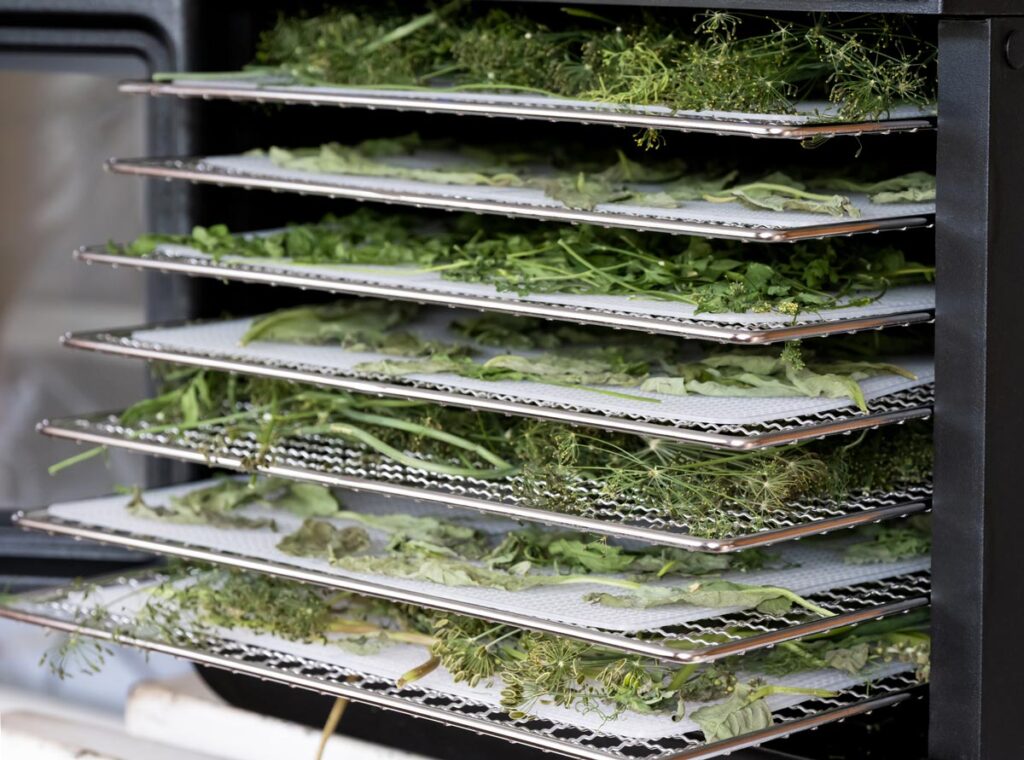
Credit: rootsandrefuge.com
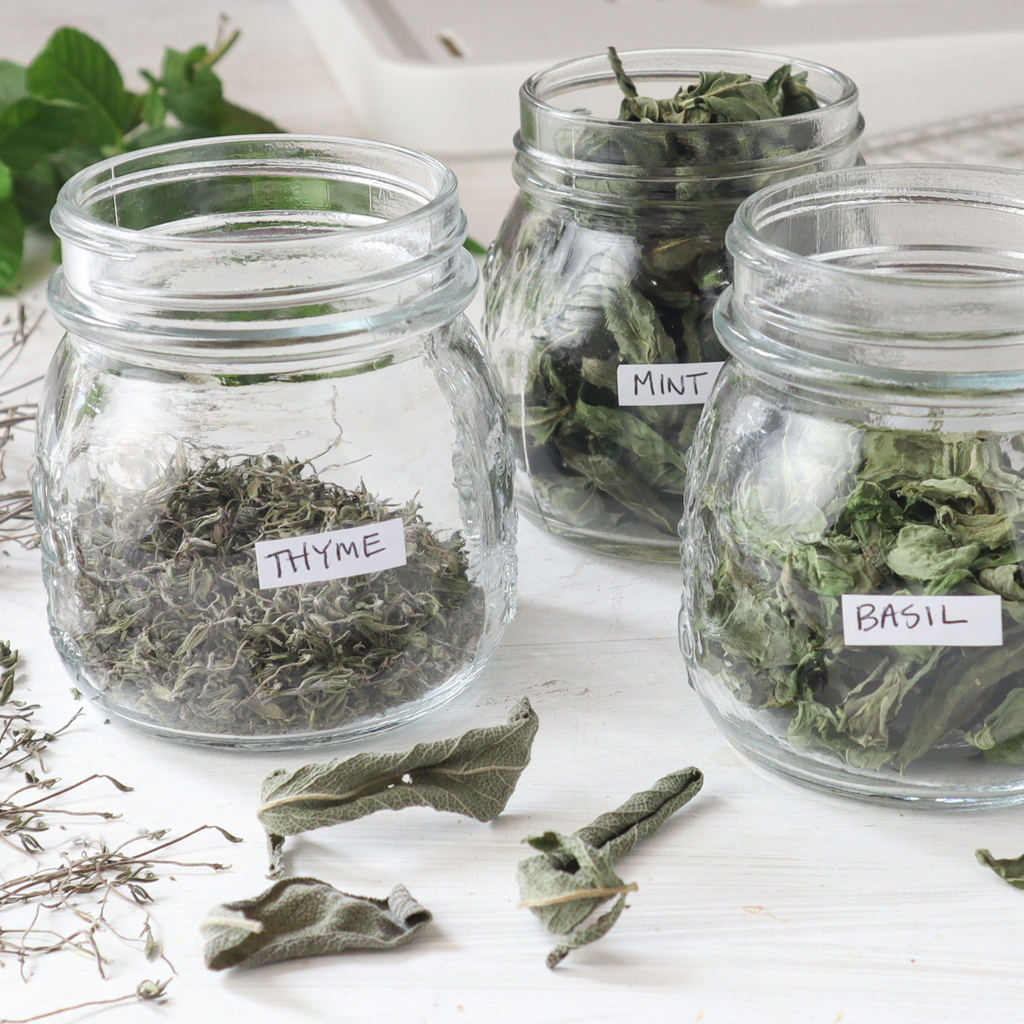
Credit: www.luvele.com
Frequently Asked Questions
How Long Does It Take To Dry Herbs In A Dehydrator?
Drying herbs in a dehydrator usually takes 1 to 4 hours. The exact time depends on the herb type and thickness. Check herbs often to avoid overdrying.
What Temperature Is Best For Drying Herbs In A Dehydrator?
Set your dehydrator to 95°F to 115°F for drying herbs. This temperature keeps herbs fresh and preserves their aroma. Higher heat can damage flavor and color.
Can All Herbs Be Dried In A Dehydrator?
Most herbs like basil, mint, and thyme dry well in a dehydrator. Some delicate herbs may need lower heat or shorter drying times. Always test with small batches first.
Conclusion
Drying herbs in a dehydrator is simple and effective. It keeps the flavors fresh and strong for a long time. You save money by drying your own herbs at home. The process is quick and uses less energy than other methods.
Store dried herbs in a cool, dark place for best results. Enjoy adding your dried herbs to meals anytime. Try different herbs to find your favorite flavors. Drying herbs yourself brings satisfaction and great taste to your kitchen. Give it a go and see the difference.

Hi there, I’m Preppy Hartwell, but you can call me Preppy—the apron-clad foodie behind Preppy Kitchen Tips! I created Preppy Kitchen Tips because I’m convinced food has a way of telling stories that words can’t. So, grab a fork and dig in. The past never tasted so good!