

Are you ready to take your jerky game to the next level? A food dehydrator for jerky is exactly what you need to make tasty, homemade snacks right in your kitchen.
Imagine having full control over the flavors, ingredients, and texture of your jerky. No more store-bought options filled with preservatives and mystery additives. You’ll discover how a food dehydrator can transform simple cuts of meat into delicious, healthy jerky that you can enjoy anytime.
Keep reading, and you’ll learn everything you need to know to get started today.
Credit: www.jerkyholic.com
Choosing The Right Dehydrator
Choosing the right food dehydrator is important for making perfect jerky. A good dehydrator dries meat evenly and keeps it safe to eat. The right choice saves time and effort. It also helps keep the jerky tasty and fresh.
Many types of dehydrators exist. Each has its own benefits and limits. Knowing these helps pick the best one for jerky making.
Types Of Food Dehydrators
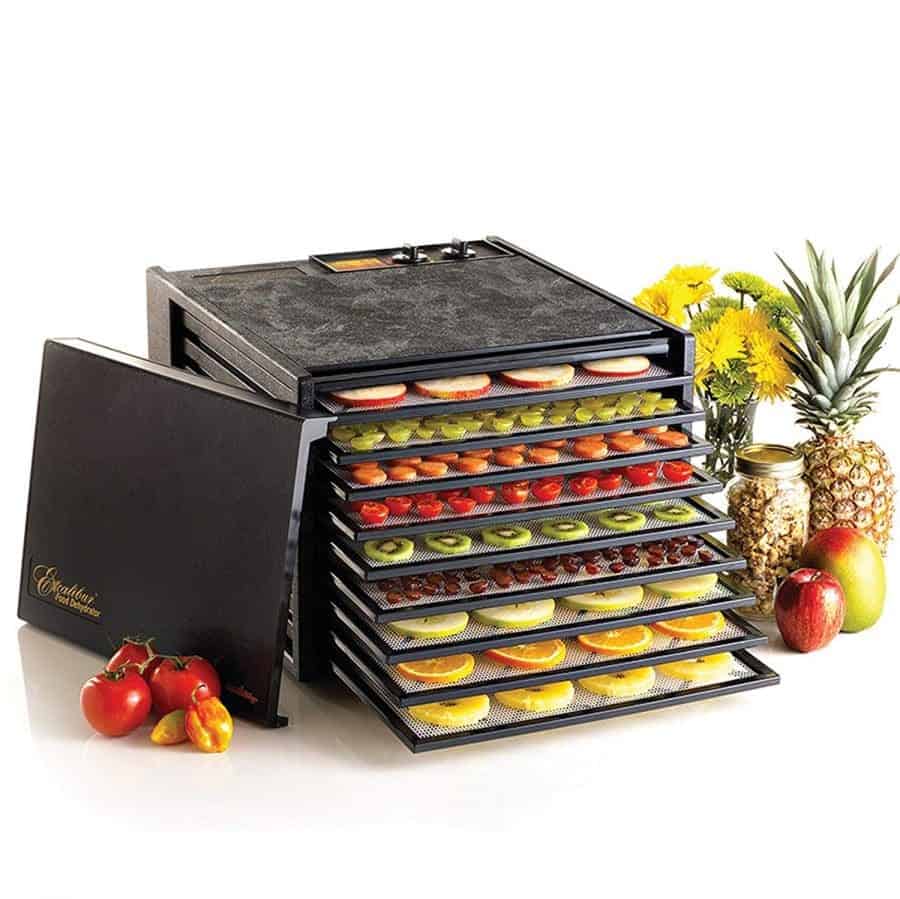
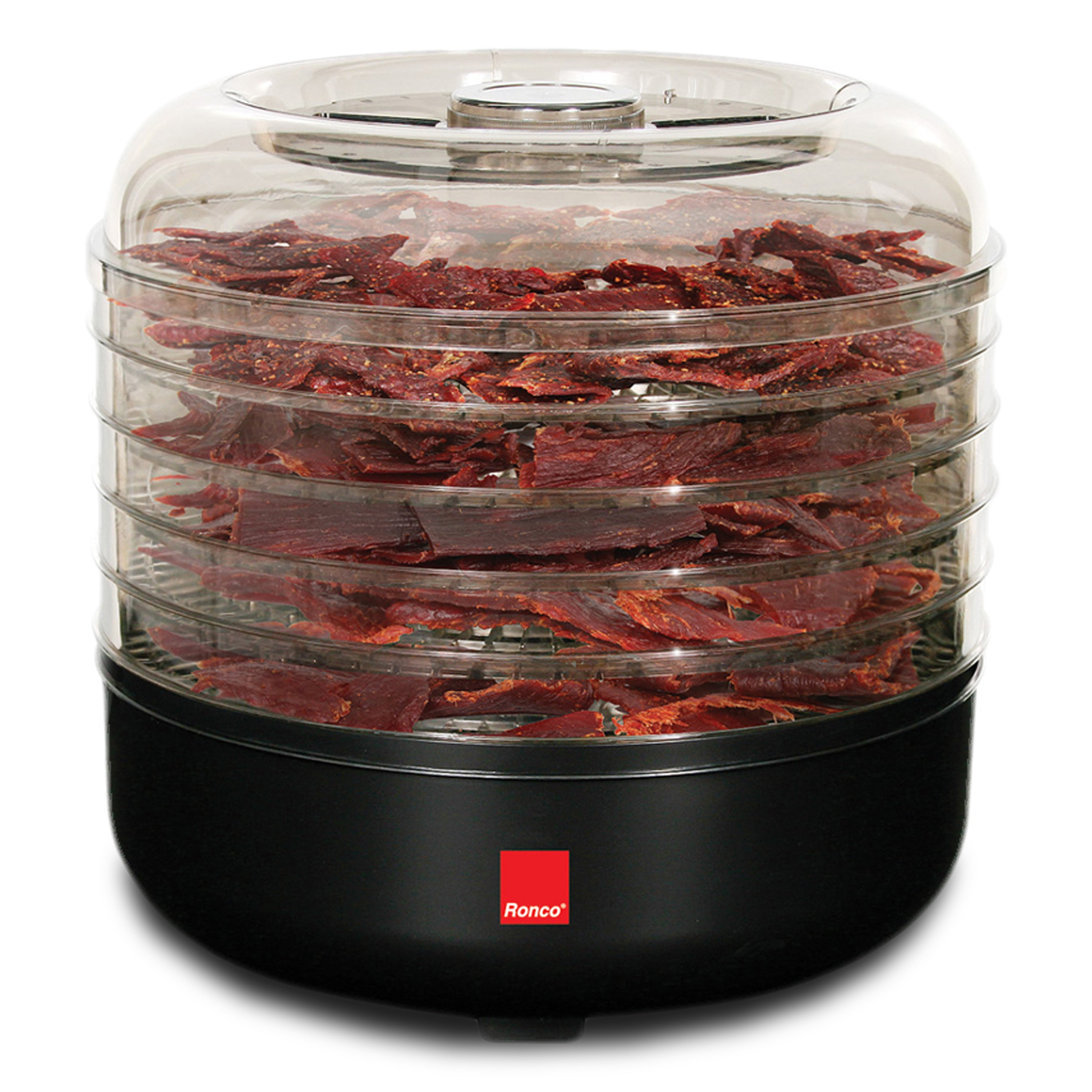
There are three main types of food dehydrators. Vertical dehydrators have trays stacked on top of each other. Heat comes from the bottom, which can cause uneven drying. Horizontal or shelf dehydrators blow air from the back. This spreads heat evenly across all trays. Lastly, there are hybrid models. They combine features of both vertical and horizontal types. Horizontal models work best for jerky because they dry meat evenly.
Key Features To Consider
Look for adjustable temperature controls. Jerky needs a steady, warm temperature for safety. A timer is useful to avoid over-drying. Airflow design matters too. Good airflow dries meat faster and better. Also, check the size and number of trays. More trays mean you can dry more jerky at once. Easy-to-clean parts save time after use. Quiet operation is a plus for home use.
Budget Vs. Quality
Cheap dehydrators might save money upfront. But they can be less reliable and slow. High-quality models cost more but last longer. They provide steady heat and even drying. For jerky, quality matters to avoid spoilage. Balance what you pay with features you need. A good dehydrator is an investment in better jerky.
Preparing Meat For Jerky
Preparing meat for jerky is a key step for great results. Proper preparation ensures tasty and safe jerky. It starts with choosing the right meat. Then, cutting the meat into thin, even strips helps it dry quickly. Adding a good marinade boosts flavor and tenderness. Follow these simple tips to prepare meat for your food dehydrator.
Selecting The Best Cuts
Choose lean meat with little fat. Fat can spoil and reduce jerky shelf life. Beef is the most popular choice. Top round, bottom round, and sirloin work well. Venison and turkey also make great jerky. Look for fresh, firm meat without bruises or discoloration. Freshness impacts taste and safety.
Trimming And Slicing Techniques
Trim all visible fat from the meat. Fat slows drying and causes spoilage. Slice meat against the grain for tender jerky. Cutting with the grain creates chewier pieces. Keep slices thin, about 1/8 to 1/4 inch thick. Even slices dry evenly and faster. Use a sharp knife and cut carefully.
Marinating Tips
Marinate meat to add flavor and soften fibers. Use soy sauce, Worcestershire sauce, salt, and spices. Mix marinade ingredients well before soaking meat. Let meat marinate in the refrigerator for 4 to 24 hours. Avoid too much sugar; it can burn during drying. Pat meat dry before placing it in the dehydrator.
Drying Process Essentials
Drying jerky is a careful process that needs attention to detail. The drying process removes moisture from the meat. This helps preserve the jerky and enhances its flavor. Understanding the essentials of drying can improve your jerky’s texture and safety.
Setting The Right Temperature
Temperature controls how fast the jerky dries. Too high a temperature cooks the meat instead of drying it. Too low, and bacteria may grow. Keep the temperature between 145°F and 160°F. This range removes moisture without cooking the jerky.
Optimal Drying Times
Drying time depends on meat thickness and temperature. Thin strips dry faster than thick ones. Typically, drying takes 4 to 8 hours. Check the jerky regularly to avoid over-drying. Proper drying keeps jerky chewy, not brittle.
Checking Jerky For Doneness
Test the jerky by bending a piece. It should crack but not break. The jerky should feel dry but still flexible. Any moist spots mean it needs more drying. Safe jerky stores longer and tastes better.
Credit: www.ronco.com
Flavor Variations And Recipes
Using a food dehydrator to make jerky opens up many flavor possibilities. You can create tastes from salty and smoky to sweet and spicy. Trying different marinades and spices keeps your jerky exciting and fresh. This section shares simple recipes and ideas to vary your jerky flavors.
Classic Jerky Marinades
Start with simple, classic marinades for a traditional jerky taste. Soy sauce, Worcestershire sauce, and garlic powder make a great base. Add a little black pepper and onion powder for extra flavor. Let the meat soak in the marinade for at least 6 hours. This helps the flavors soak deep into the jerky.
Spicy And Sweet Options
Mix heat and sweetness for a tasty twist. Use honey or brown sugar to add sweetness. Add chili flakes, cayenne pepper, or hot sauce for spice. Balance these flavors to suit your taste buds. Sweet and spicy jerky works well as a snack or gift.
Experimenting With Herbs And Spices
Try adding herbs like rosemary, thyme, or oregano for new flavors. Smoked paprika or cumin adds a smoky, earthy note. Use fresh ginger or lemon zest for a bright, fresh taste. Small changes can make big differences in your jerky’s flavor.
Storing And Preserving Jerky
Storing and preserving jerky properly keeps it fresh and tasty for longer. The right methods stop moisture and air from spoiling the jerky. This helps keep the jerky safe to eat and maintain its flavor and texture.
Packaging Methods
Use airtight containers or vacuum-sealed bags to store jerky. Plastic bags with zip locks work for short-term storage. For longer storage, vacuum sealing removes air and slows spoilage. Glass jars with tight lids also keep jerky dry and fresh. Avoid using containers that let air or moisture in.
Shelf Life Expectations
Properly stored jerky can last one to two months at room temperature. Refrigerated jerky lasts up to six months. Freezing jerky can extend shelf life to a year or more. Check jerky for mold or strange smells before eating. If it looks or smells off, do not eat it.
Tips For Long-term Storage
Store jerky in a cool, dark place away from heat and sunlight. Use oxygen absorbers inside sealed bags for better preservation. Keep jerky dry to prevent mold growth. Label packages with the date of drying. Use older jerky first to keep stock fresh.

Credit: us.amazon.com
Frequently Asked Questions
What Is The Best Temperature To Dry Jerky In A Food Dehydrator?
The ideal temperature for drying jerky is 160°F (71°C). This temperature kills bacteria and dries meat evenly. It keeps jerky safe and tasty.
How Long Does It Take To Make Jerky In A Food Dehydrator?
Drying jerky usually takes 4 to 8 hours. The time depends on meat thickness and dehydrator settings. Check jerky for dryness before storing.
Can I Use A Food Dehydrator For Other Foods Besides Jerky?
Yes, food dehydrators work well for fruits, vegetables, herbs, and nuts. They remove moisture to preserve food longer. A great tool for healthy snacks.
Conclusion
A food dehydrator makes jerky at home simple and fun. It dries meat evenly and keeps flavors strong. You control the ingredients and avoid preservatives. This tool saves money and reduces waste. Try different spices to find your favorite taste.
Enjoy healthy snacks anytime, anywhere. A food dehydrator is a smart choice for jerky lovers.

Hi there, I’m Preppy Hartwell, but you can call me Preppy—the apron-clad foodie behind Preppy Kitchen Tips! I created Preppy Kitchen Tips because I’m convinced food has a way of telling stories that words can’t. So, grab a fork and dig in. The past never tasted so good!