

Have you ever wondered how bread machines turn simple ingredients into a warm, fresh loaf all by themselves? If you love the idea of homemade bread without the hassle, understanding how these machines work can change the way you bake forever.
Imagine pressing a few buttons and coming back to the smell of perfect bread—no kneading, no waiting around. You’ll discover the secrets behind bread machines and how they make baking effortless for you. Keep reading, and you’ll soon be ready to create delicious bread with ease every time.
Bread Machine Components
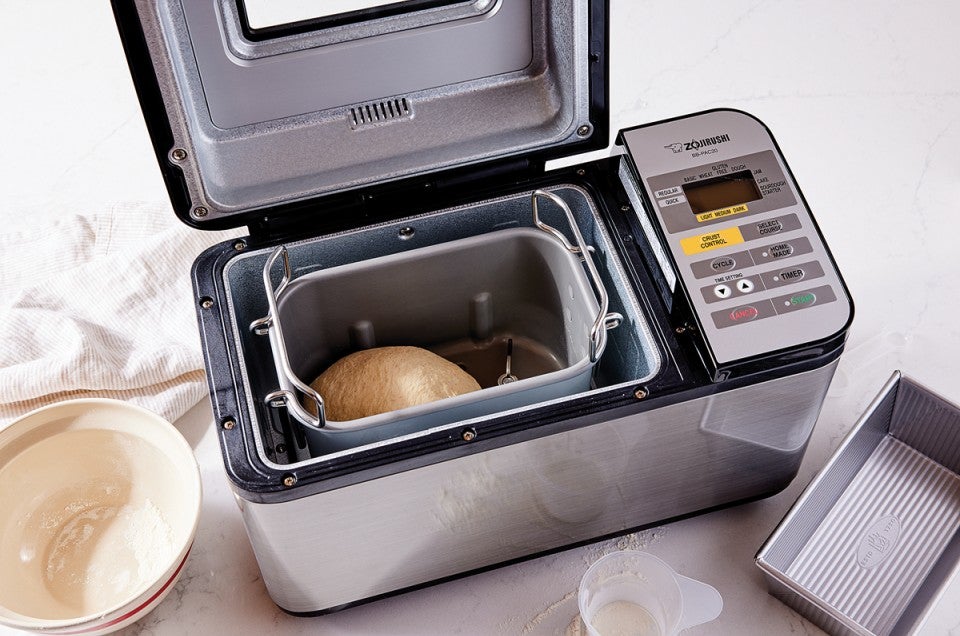
Bread machines have several important parts that work together to bake bread. Each component has a special job. Knowing these parts helps you understand how bread machines work.
Mixing Paddle
The mixing paddle is inside the bread pan. It mixes flour, water, and other ingredients. It turns the dough to make it smooth. The paddle also helps knead the dough. Without it, the bread would not form properly.
Heating Element
The heating element is the part that gets hot. It bakes the bread by warming the dough. The element heats evenly to cook the bread inside and out. It controls the temperature during the baking process. This part is very important for good bread.
Control Panel
The control panel lets you choose settings. You can pick bread type, size, and crust color. It also starts and stops the machine. Some machines have timers and special programs. The control panel makes the bread machine easy to use.
Credit: www.kingarthurbaking.com
Bread Making Process
Bread machines simplify the bread making process. They automate key steps to save time and effort. Understanding how these machines work helps appreciate the fresh bread they produce.
The process inside a bread machine follows a clear sequence. Each step is important to create soft, tasty bread. The machine handles everything from mixing to baking.
Ingredient Mixing
The bread machine starts by mixing all ingredients in the pan. Flour, water, yeast, sugar, and salt combine evenly. Mixing ensures the dough forms a smooth texture.
This step is quick but must be thorough. Proper mixing helps the dough develop strength for the next phases.
Kneading Dough
After mixing, the machine kneads the dough. Kneading stretches and folds the dough repeatedly. This builds gluten, which gives bread its structure and chewiness.
The machine uses a paddle to knead the dough for a set time. This step is essential for good bread texture.
Rising And Proofing
Next, the dough rises inside the warm bread pan. Yeast ferments sugars, producing gas that makes dough expand. This process is called proofing.
Proofing softens the dough and adds flavor. The machine controls temperature and time for perfect rising.
Baking
Finally, the bread machine bakes the risen dough. The heating element warms the pan evenly. Baking turns the dough into golden, crusty bread.
The machine finishes by cooling the bread slightly before signaling it’s done. Fresh bread ready to enjoy.
Choosing The Right Settings
Choosing the right settings on a bread machine helps make perfect bread every time. Each setting controls how the machine mixes, kneads, rises, and bakes the dough. Understanding these options lets you customize your bread to match your taste and needs.
Crust Color Options
Bread machines usually offer light, medium, or dark crust choices. Light crust gives a soft, pale outside. Medium crust is golden brown and slightly crispy. Dark crust is deep brown and crunchy. Select the crust color that fits your preference.
Loaf Size Selection
Most bread machines let you choose the loaf size. Common sizes include 1 pound, 1.5 pounds, and 2 pounds. The machine adjusts baking time and ingredient amounts based on size. Pick the size that suits your family or storage needs.
Program Modes
Bread machines have different program modes for various bread types. These modes change kneading and rising times. Some machines offer options like basic, whole wheat, French, gluten-free, or dough only. Use the mode that matches your recipe for best results.
Tips For Perfect Bread
Bread machines make baking simple and fun. Yet, small details affect your bread’s taste and texture. Perfect bread needs care in ingredients, measuring, and timing. These tips help you bake soft, fresh, and tasty bread every time.
Ingredient Quality
Good bread starts with good ingredients. Use fresh flour and yeast for best results. Old yeast may not rise well. Choose pure salt and sugar. Water should be clean and room temperature. Quality ingredients improve flavor and texture.
Measuring Techniques
Exact measurements matter in bread baking. Use a kitchen scale for accuracy. Too much flour makes bread dense. Too little makes it sticky. Spoon flour lightly into the cup, then level it. Measure liquids in clear cups for precision.
Timing Adjustments
Bread machines have set cycles, but timing can vary. Humidity and temperature affect dough rising. Check dough during kneading if possible. Add more time to rising in cold weather. Shorten rising time if dough looks overproofed.
Common Issues And Fixes
Bread machines make baking easier but can have some common problems. These issues may affect the texture, shape, or taste of your bread. Knowing simple fixes helps you get better results every time. Here are some frequent problems and how to solve them.
Dense Loaf Solutions
A dense loaf often means the bread did not rise well. Check if you used fresh yeast. Old yeast loses power and slows rising. Also, measure ingredients carefully. Too much flour or too little water makes bread heavy.
Try using warm water, about 110°F. Cold water slows yeast activity. Avoid opening the lid during baking. This lets heat escape and stops proper rising. Lastly, use the correct program on your machine for your bread type.
Uneven Baking
Uneven baking means parts of the bread are overcooked or undercooked. This happens if the bread machine is not on a flat surface. Ensure your machine sits level to distribute heat properly.
Check the paddle inside the pan. If it is loose or stuck, the dough won’t mix well. Clean the paddle regularly and make sure it moves freely. Also, avoid overfilling the pan with dough.
Machine Maintenance
Regular cleaning keeps your bread machine working well. Remove crumbs and dough bits after each use. Clean the pan and paddle with warm soapy water. Dry all parts before reassembling.
Inspect the machine’s heating element for dust or debris. Wipe it gently with a dry cloth. Lubricate moving parts if the manual recommends it. Proper care extends your bread machine’s life and ensures better bread.

Credit: www.youtube.com

Credit: www.explainthatstuff.com
Frequently Asked Questions
How Does A Bread Machine Mix And Knead Dough?
A bread machine uses a built-in paddle to mix ingredients evenly. It kneads the dough by rotating the paddle to develop gluten. This process ensures the dough has the right texture before baking.
What Settings Do Bread Machines Have For Different Bread Types?
Bread machines offer settings like basic, whole wheat, and gluten-free. Each setting changes kneading time, rise time, and baking temperature. This helps make perfect bread for different recipes and tastes.
How Long Does A Typical Bread Machine Cycle Take?
Most bread machines take between 2 to 4 hours per cycle. The time depends on the bread type and settings used. Some machines also have quick bake options for faster results.
Conclusion
Bread machines mix, knead, rise, and bake bread all in one. They save time and effort in making fresh bread at home. Just add ingredients, choose settings, and start the machine. The process is simple and mostly automatic. This helps anyone enjoy warm, homemade bread without hassle.
Understanding how these machines work makes baking less confusing. Try one to enjoy fresh bread with ease. It’s a practical tool for busy kitchens and bread lovers alike.

Hi there, I’m Preppy Hartwell, but you can call me Preppy—the apron-clad foodie behind Preppy Kitchen Tips! I created Preppy Kitchen Tips because I’m convinced food has a way of telling stories that words can’t. So, grab a fork and dig in. The past never tasted so good!