
Do you struggle to keep your serrated knife sharp and effective? You’re not alone.
Unlike regular knives, serrated blades need special care to stay sharp. If you want your knife to slice through bread, tomatoes, and more with ease, you need the right sharpening technique. You’ll discover simple, step-by-step methods to sharpen your serrated knife at home.
Keep reading, and you’ll never have to deal with a dull serrated blade again.
Choosing The Right Tools
Choosing the right tools is key to sharpening a serrated knife well. Using proper tools protects the blade and makes the job easier. Different tools work best for different serration sizes and shapes. Knowing what to use helps keep your knife sharp longer.
Types Of Sharpeners
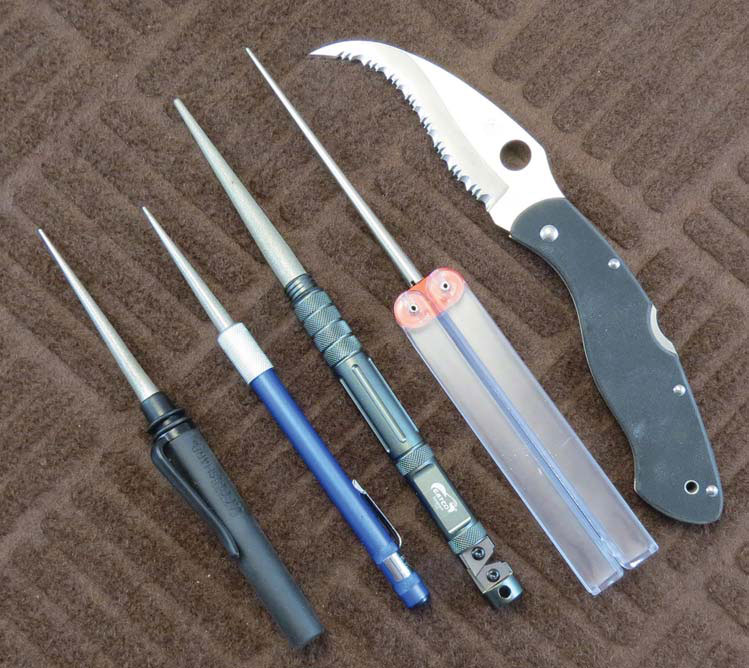
Round ceramic rods fit perfectly into serrations. They help sharpen each tooth evenly. Diamond-coated rods work well on hard steel blades. They remove metal quickly and restore sharp edges fast. Some electric sharpeners have special slots for serrated knives. But manual tools give better control over sharpening.
Materials Needed
Besides a sharpener, you need a cloth to clean the blade. A honing oil or water helps the sharpener glide smoothly. A small brush removes metal dust from serrations. Safety gloves protect your hands during sharpening. These materials keep the process safe and effective.
Credit: blademag.com
Preparing The Knife For Sharpening
Preparing a serrated knife for sharpening is an important first step. It sets the stage for a smooth and safe sharpening process. Taking time to clean and secure the knife helps protect the blade and the user. Follow these simple steps to get your serrated knife ready.
Cleaning The Blade
Start by washing the blade with warm water and mild soap. This removes food particles and oils. Use a soft cloth or sponge to avoid scratching the blade. Dry the knife completely with a clean towel. A clean blade ensures better contact with the sharpening tool. It also prevents dirt from causing damage during sharpening.
Securing The Knife
Place the knife on a stable surface. Use a non-slip mat or towel under the blade to stop it from moving. Hold the handle firmly or use a clamp if available. Keeping the knife steady reduces the risk of slipping. A secure knife helps you sharpen with control and safety.
Sharpening Each Serration
Sharpening each serration on a serrated knife is a careful task. Each small tooth needs attention to keep the blade sharp. This process restores the knife’s cutting power and extends its life. Focus on one serration at a time for best results.
Using A Ceramic Rod
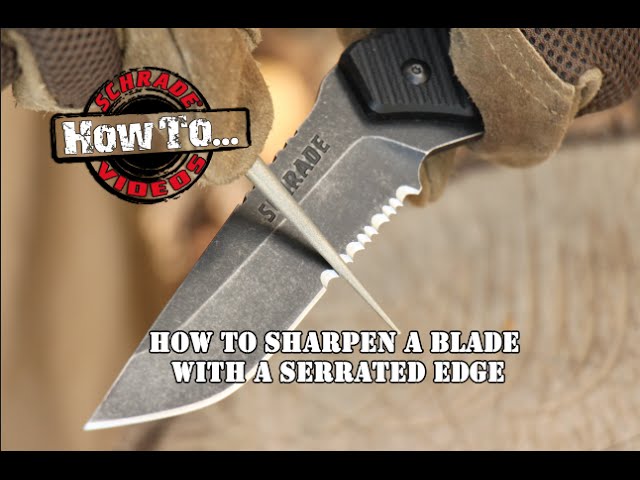
A ceramic rod is perfect for sharpening serrated knives. It fits well into the small grooves of the serrations. Hold the rod like a pencil and place it in one serration.
Move the rod gently back and forth inside the groove. Use light pressure to avoid damaging the blade. Repeat this for each serration along the knife’s edge.
Angle And Motion Tips
Keep the rod at the same angle as the serration’s edge. Usually, this is about 15 to 20 degrees. Maintaining this angle sharpens the edge evenly.
Use small, controlled strokes. Move the rod smoothly without rushing. This method cleans and sharpens the teeth effectively.

Credit: imarku.net
Maintaining The Blade Edge
Maintaining the blade edge of a serrated knife keeps it sharp and safe. The sharp teeth cut smoothly and do not tear food. Regular care helps the knife last longer and work better. It also reduces the need for frequent full sharpening. Small steps can protect the blade and improve cutting performance.
Honing Techniques
Honing a serrated knife uses a special tool called a ceramic rod or tapered sharpening rod. Run the rod through each serration gently. Match the rod angle to the blade’s edge, usually around 15 degrees. Use light pressure and short strokes to clean and realign the teeth. Avoid using a flat stone, as it will damage the serrations. Hone the blade regularly to keep it steady and sharp.
Frequency Of Sharpening
Serrated knives need less sharpening than straight knives. Sharpen the blade only when it feels dull or struggles to cut. For home use, every 6 to 12 months is enough. Professional use may require sharpening more often. Watch the knife’s performance and sharpen as needed. Proper honing between sharpenings helps extend the edge life.
Safety Tips And Common Mistakes
Sharpening a serrated knife requires care and attention. Ignoring safety tips can cause injury or damage the blade. Mistakes during sharpening reduce the knife’s effectiveness. Follow clear steps to keep yourself and your knife safe.
Avoiding Damage
Do not use a regular sharpening stone on serrated edges. It can ruin the teeth and weaken the blade. Use a sharpening rod made for serrated knives. Match the rod size to the knife’s teeth size. Avoid pressing too hard while sharpening. Gentle strokes keep the edge intact and sharp.
Proper Handling
Hold the knife firmly but safely. Keep your fingers away from the blade’s edge. Work on a stable surface to prevent slips. Sharpen one tooth at a time for best results. Take breaks if your hands feel tired. Rushing can cause accidents and poor sharpening.
Credit: www.youtube.com
Frequently Asked Questions
How Often Should I Sharpen A Serrated Knife?
Sharpen serrated knives after every 6 to 12 months of regular use. Check the blade for dullness.
What Tools Do I Need To Sharpen Serrated Knives?
A ceramic rod or a special serrated knife sharpener works best to sharpen serrated blades.
Can I Sharpen Serrated Knives At Home Safely?
Yes, with the right tools and careful technique, you can sharpen serrated knives safely at home.
Conclusion
Sharpening a serrated knife takes patience and the right tools. Use a sharpening rod or ceramic stick to work each serration gently. Keep the angle steady and avoid rushing the process. Regular sharpening keeps your knife cutting well and lasting longer.
Clean your knife after sharpening to maintain its edge. Small efforts bring better results in the kitchen. Try these steps, and your serrated knife will perform like new. Practice makes the task easier and more effective every time.

Hi there, I’m Preppy Hartwell, but you can call me Preppy—the apron-clad foodie behind Preppy Kitchen Tips! I created Preppy Kitchen Tips because I’m convinced food has a way of telling stories that words can’t. So, grab a fork and dig in. The past never tasted so good!