

Are you struggling to get clean, precise cuts with your filleting knife? A dull blade can make filleting fish frustrating and even dangerous.
But sharpening your knife doesn’t have to be complicated or time-consuming. In this guide, you’ll learn simple, effective techniques to restore your knife’s edge quickly. Keep reading to discover how sharpening your filleting knife can transform your cooking experience and save you effort in the kitchen.
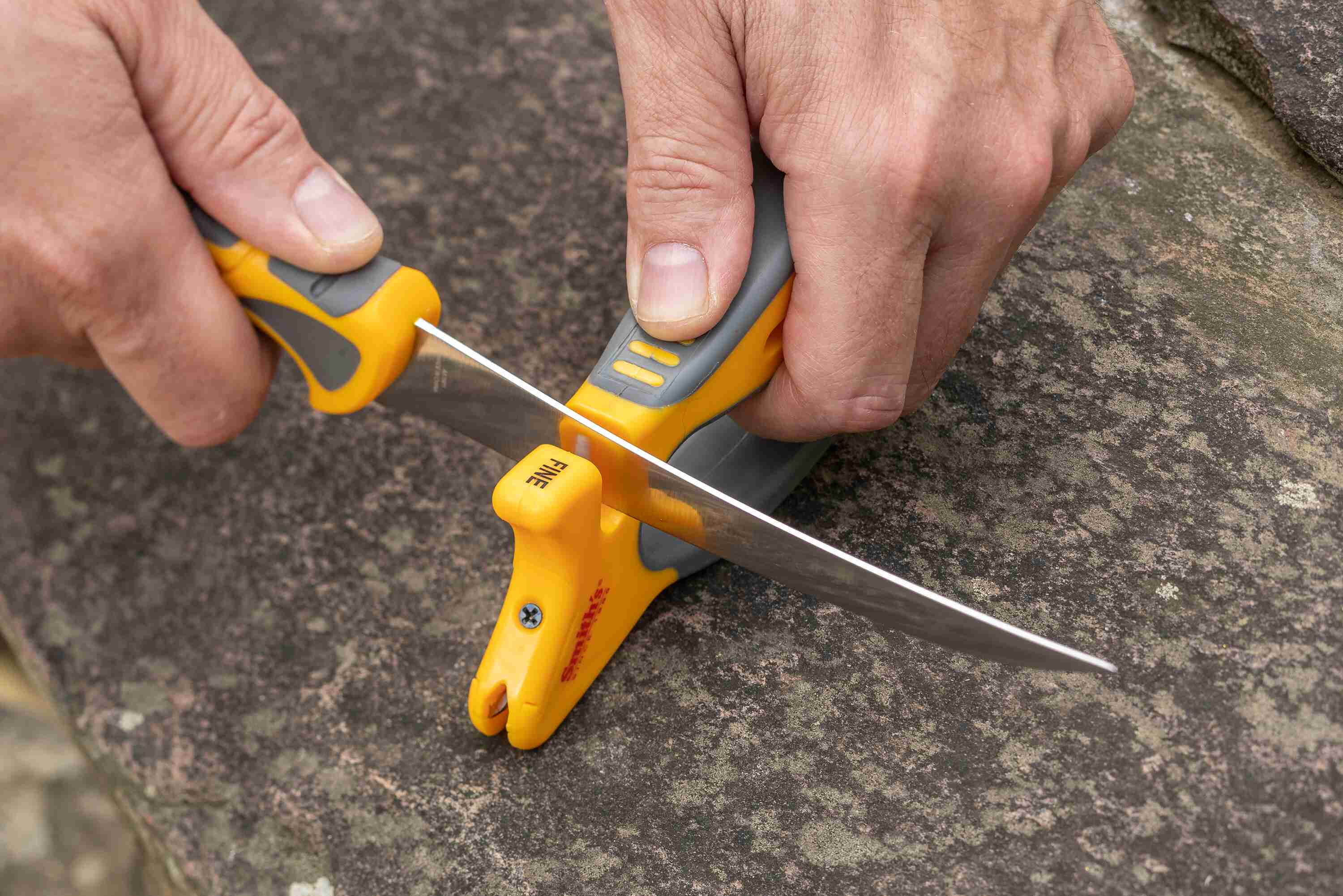
Credit: smithsproducts.com
Choosing The Right Sharpening Tools
Choosing the right sharpening tools is key to keeping your filleting knife sharp. The right tools make the job easier and protect your knife’s edge. Different tools suit different skill levels and needs. Understanding these options helps you pick the best one for your knife and style.
Whetstones And Their Grit Levels
Whetstones are popular for sharpening knives by hand. They come in different grit levels, each serving a purpose. Coarse grit (200-600) fixes very dull or damaged edges. Medium grit (800-2000) sharpens and smooths the blade. Fine grit (3000-8000) polishes the edge for a razor-sharp finish. Using the right grit ensures a sharp and long-lasting edge.
Using Honing Rods Effectively
Honing rods do not sharpen but realign the knife’s edge. Use them often to keep your knife sharp between sharpenings. Hold the rod vertically and slide the blade down at a 20-degree angle. Repeat on both sides several times. Honing rods work best for quick touch-ups and maintaining the blade’s shape.
Electric Vs Manual Sharpeners
Electric sharpeners offer speed and ease of use. They have guided slots to hold the knife at the correct angle. Manual sharpeners require more skill but allow more control. They are usually smaller and cheaper. Choose electric for convenience and manual for precision and better edge control.
Preparing Your Knife And Workspace
Preparing your filleting knife and workspace is the first step to effective sharpening. A clean blade and a stable area help you sharpen safely and accurately. Taking time here ensures better results and less risk of injury.
Cleaning The Blade
Start by washing the knife with warm water and mild soap. Remove any fish residue or grease. Dry the blade completely using a clean cloth. A clean blade sharpens evenly and prevents slipping during the process.
Setting Up A Stable Sharpening Area
Find a flat surface with good lighting. Use a non-slip mat or towel to keep the knife steady. Make sure the area is free from distractions. A steady workspace helps maintain control and sharpens the blade evenly.
Step-by-step Sharpening Process
Sharpening a filleting knife is a simple task with the right steps. Follow this guide to keep your blade sharp and ready. Each step helps keep the edge smooth and strong. Focus on angle, strokes, and sharpness checks.
Maintaining The Correct Angle
Hold the knife at a 15 to 20-degree angle against the sharpener. This angle suits most filleting knives. Keeping this angle steady is key to a sharp edge. Move slowly and adjust your hand to maintain it. Avoid changing the angle during sharpening.
Using Consistent Strokes
Run the blade across the sharpener with smooth, even strokes. Start from the base and move to the tip. Use the same number of strokes on each side of the blade. This balance keeps the edge straight and sharp. Press lightly to avoid removing too much metal.
Checking Blade Sharpness
Test the sharpness by slicing through paper or a tomato skin. A sharp blade cuts easily without much force. If it tears or struggles, continue sharpening. Check often to avoid over-sharpening. Stop once the blade cuts smoothly and cleanly.

Credit: www.aftco.com
Tips For Maintaining Sharpness
Keeping a filleting knife sharp takes effort beyond just sharpening. Good habits help the blade stay sharp longer. Careful handling and regular maintenance protect the edge. These tips make your knife safer and easier to use every time.
Simple steps prevent dullness and damage. Follow these easy methods to keep your filleting knife in top shape.
Proper Storage Techniques
Store your filleting knife away from other tools. Avoid tossing it in a drawer with other utensils. This causes nicks and dulls the blade quickly. Use a knife block, magnetic strip, or blade guard. These options keep the edge safe and clean. Always dry the knife before storing to stop rust. Proper storage preserves sharpness and extends the knife’s life.
Regular Honing Practices
Honing realigns the blade’s edge without removing much metal. Use a honing steel before or after each use. Hold the steel vertically and draw the blade down at a 20-degree angle. Repeat on both sides several times. Honing keeps the edge straight and sharp between sharpenings. It takes only a few minutes but makes a big difference.
Common Mistakes To Avoid
Sharpening a filleting knife needs care and attention. Mistakes can damage the blade or cause injury. Avoiding common errors saves time and keeps the knife sharp longer.
Focus on correct sharpening methods and safety. This section highlights key mistakes to avoid during the process.
Over-sharpening And Blade Damage
Sharpening too often wears down the blade quickly. The knife loses its shape and strength. Thin blades like filleting knives need gentle care.
Pressing too hard or sharpening at the wrong angle causes chips or cracks. Keep a steady hand and maintain the original blade angle. Stop sharpening once the edge feels sharp.
Ignoring Safety Precautions
Neglecting safety risks cuts and injuries. Always secure the knife before sharpening. Use a non-slip surface or sharpening guide for stability.
Keep fingers away from the blade edge. Wear protective gloves if needed. Slow, controlled motions help prevent accidents. Never rush the process.

Credit: www.youtube.com
Frequently Asked Questions
How Often Should I Sharpen My Filleting Knife?
Sharpen your filleting knife after every 5-10 uses to keep it sharp and effective.
What Tools Do I Need To Sharpen A Filleting Knife?
Use a sharpening stone or a ceramic rod for safe and smooth sharpening.
Can I Sharpen A Filleting Knife At Home Safely?
Yes, with the right tools and careful technique, sharpening at home is easy and safe.
Conclusion
Sharpening a filleting knife keeps it precise and safe to use. Regular sharpening helps cut fish easily and cleanly. Use the right tools and follow steps slowly. Practice makes your sharpening skills better over time. A sharp knife saves effort and protects your fingers.
Keep your knife clean and dry after use. This simple care extends the knife’s life a lot. Enjoy smoother, faster filleting with a sharp blade. Try sharpening today for better cooking results tomorrow.

Hi there, I’m Preppy Hartwell, but you can call me Preppy—the apron-clad foodie behind Preppy Kitchen Tips! I created Preppy Kitchen Tips because I’m convinced food has a way of telling stories that words can’t. So, grab a fork and dig in. The past never tasted so good!