
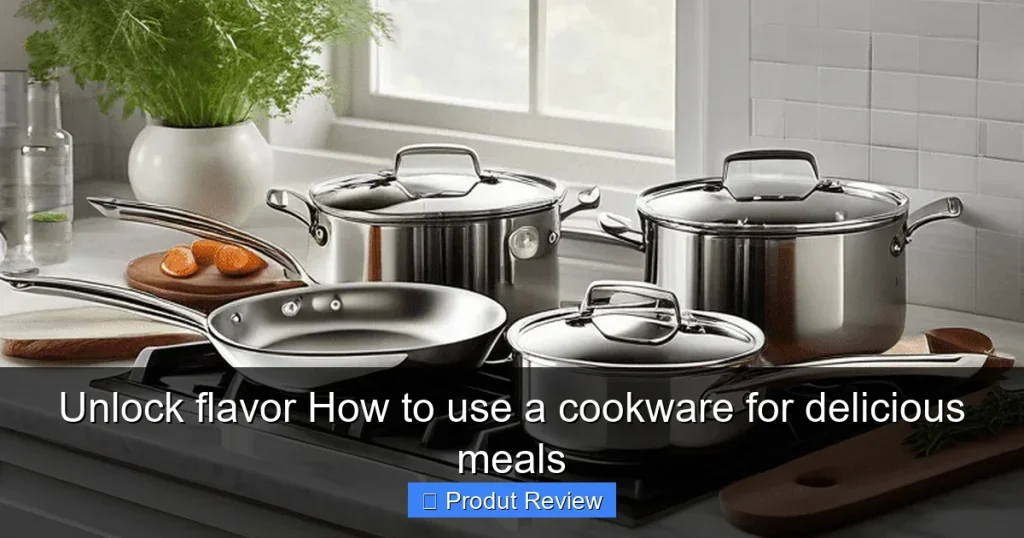
Learning how to use a cookware properly is the secret to unlocking incredible flavors in your kitchen. This comprehensive guide walks you through everything from understanding different cookware types and their care, to mastering various cooking techniques and essential cleanup. By following these simple steps, you’ll transform everyday ingredients into truly delicious meals.
Unlock flavor How to use a cookware for delicious meals
Welcome to the heart of your kitchen: your cookware! Whether you’re a seasoned chef or just starting your culinary journey, understanding how to use a cookware properly is fundamental to creating delicious, memorable meals. It’s not just about having pots and pans; it’s about knowing how to make them work for you, transforming raw ingredients into flavorful masterpieces.
This comprehensive guide will demystify the art of using cookware. We’ll cover everything from choosing the right pan for the job to mastering heat control, executing various cooking techniques, and ensuring your beloved cookware lasts for years. Get ready to elevate your cooking and unlock a world of flavor!
Key Takeaways
- Match Cookware to Task: Different types of cookware excel at different cooking methods. Understanding your pot or pan’s material and design helps you choose the right tool for searing, simmering, or baking.
- Proper Preparation is Key: Always clean new cookware before its first use and consider seasoning certain materials like cast iron to build a natural non-stick surface and protect against rust.
- Heat Control is Crucial: Mastering heat settings is fundamental to preventing burning, achieving even cooking, and getting the best results from your food. Preheat properly but avoid excessively high heat.
- Use the Right Tools: Pair your cookware with appropriate utensils. Metal utensils can scratch non-stick and ceramic surfaces, while silicone, wood, or nylon are generally safe for all types.
- Clean and Store Correctly: Proper cleaning and storage extend the life of your cookware. Avoid abrasive cleaners on delicate surfaces and ensure items are fully dry before putting them away to prevent rust.
- Prevent Sticking: Use enough cooking fat (oil, butter) and ensure your pan is adequately preheated before adding food to minimize sticking, especially with stainless steel cookware.
Quick Answers to Common Questions
What’s the best way to prevent food from sticking to my stainless steel pan?
Preheat your pan properly until a few drops of water dance on the surface. Then, add a sufficient amount of oil or fat and let it heat up before adding your ingredients. Don’t disturb the food too early; allow it to form a crust before trying to flip or stir.
Can I use metal utensils with all types of cookware?
No! While metal utensils are generally fine for stainless steel and cast iron, they can scratch and damage non-stick, ceramic, and enameled surfaces. Always use wooden, silicone, or nylon utensils for these more delicate types of cookware to preserve their integrity.
How do I know if my pan is hot enough?
For most cooking, a good test for stainless steel is the “water test”: flick a few drops of water into the hot pan. If they form small balls and skitter across the surface, it’s ready. If they evaporate instantly, it’s too hot; if they just sit there, it’s not hot enough.
Is it okay to put hot cookware directly into cold water for cleaning?
No, this is generally not recommended. Extreme temperature changes can cause thermal shock, which can warp or crack your cookware, especially if it’s made of cast iron or certain types of stainless steel. Always let your pans cool down significantly before washing.
How do I maintain the seasoning on my cast iron pan?
After each use, clean your cast iron pan with hot water and a stiff brush (avoid soap if possible). Dry it immediately and thoroughly, ideally by heating it on the stovetop for a minute or two. Once dry, apply a very thin layer of neutral cooking oil with a paper towel before storing.
Understanding Your Cookware: The Foundation of Flavor
Before you even think about cooking, it’s helpful to know a little about the tools you’re using. Different types of cookware have unique properties that make them ideal for specific tasks.
1. Identify Your Cookware Material
Cookware comes in various materials, each with its own advantages and considerations:
- Stainless Steel: Durable, non-reactive, and excellent for browning and searing. It heats evenly but can stick if not properly preheated and oiled.
- Cast Iron: Incredibly durable, retains and distributes heat exceptionally well, and creates fantastic crusts. Requires seasoning and specific care.
- Non-stick (Teflon, Ceramic): Great for delicate foods like eggs and fish, requiring less oil. However, they are less durable than other types and shouldn’t be used with high heat or metal utensils. When choosing, consider best utensils to use on ceramic cookware to prolong its life.
- Copper: Superb heat conductivity and responsiveness, ideal for precise temperature control. It’s often lined with stainless steel or tin, as copper itself is reactive.
- Aluminum: Lightweight, good heat conductor, often anodized for durability or used as a core for other materials.
Each material has its strengths. Knowing yours will help you make the right choices for your cooking. If you’re looking to expand your collection, you might want to explore the best cookware to use for various cooking needs.
2. Match the Cookware to the Task
Think about what you want to cook. Are you searing a steak? Simmering a stew? Frying an egg?
- Skillets/Fry Pans: Shallow with sloped sides, perfect for frying, searing, sautéing, and browning.
- Saucepans: Deeper with straight sides, ideal for simmering sauces, boiling liquids, and cooking grains.
- Stockpots: Very deep, large-capacity pots for making stocks, soups, pasta, and blanching vegetables.
- Dutch Ovens: Heavy, thick-walled pots (often cast iron) with tight-fitting lids, excellent for slow cooking, braising, and baking.
- Sauté Pans: Similar to skillets but with straight, higher sides, great for dishes that require more liquid or less splatter.
Step-by-Step: How to Use a Cookware Effectively
Step 1: Initial Preparation (First Use and Seasoning)
Before you embark on your culinary adventures, a little preparation goes a long way, especially when you first get new cookware.
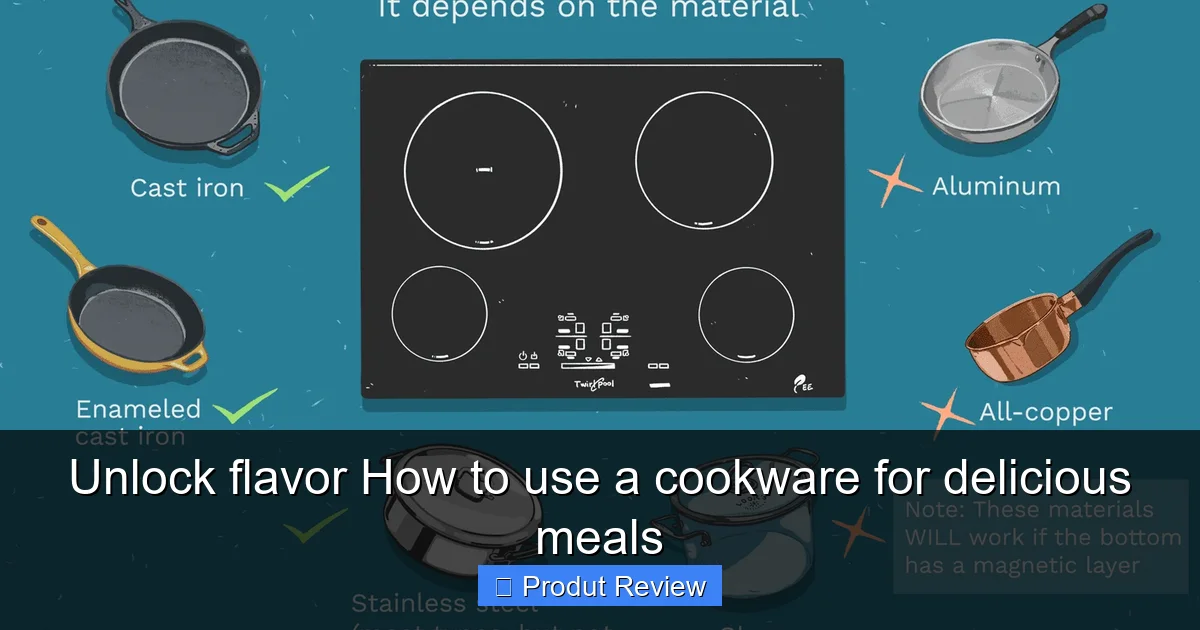
Visual guide about Unlock flavor How to use a cookware for delicious meals
Image source: thespruceeats.com
1.1. Clean Your New Cookware
Always wash new pots and pans with warm, soapy water and a soft sponge before their first use. This removes any manufacturing residues, oils, or dust that might be present. Rinse thoroughly and dry completely.
1.2. Season Cast Iron Cookware (If Applicable)
If you’re using cast iron, seasoning is essential. This process creates a natural non-stick surface and protects against rust.
- Apply a thin layer of neutral cooking oil (like vegetable or flaxseed oil) to all surfaces of the pan.
- Wipe off any excess oil with a paper towel until the pan looks almost dry.
- Place the pan upside down in a cold oven.
- Heat the oven to 450-500°F (230-260°C).
- Bake for one hour, then turn off the oven and let the pan cool completely inside. Repeat this process 2-3 times for a good initial seasoning.
Step 2: Mastering Heat Control
This is arguably the most crucial aspect of using any cookware. Proper heat management prevents burning, promotes even cooking, and allows food to develop rich flavors.
2.1. Preheat Your Cookware
Most cooking benefits from preheated cookware. This creates an even cooking surface and helps prevent food from sticking.
- Place your empty pan on the burner over medium heat for 2-5 minutes, depending on the material and size.
- For stainless steel, a good test is the “water test”: drop a few drops of water into the hot pan. If the water forms beads and dances across the surface (the Leidenfrost effect), the pan is ready. If it evaporates immediately, it’s too hot. If it just sits there, it’s not hot enough.
- For non-stick, preheat briefly over medium-low heat. High heat can damage the non-stick coating.
2.2. Use the Right Heat Setting
Adjust your burner to the appropriate heat level for your dish.
- Low Heat: Gentle simmering, melting butter, warming food.
- Medium-Low Heat: Sautéing delicate vegetables, cooking eggs, slow-cooking sauces.
- Medium Heat: General-purpose cooking, pan-frying, gentle searing.
- Medium-High Heat: Achieving a good sear, browning meats, stir-frying.
- High Heat: Rarely used for extended periods, typically for quickly boiling water or super-fast searing (use with caution, especially with thin pans).
Remember that different types of cookware conduct heat differently. A thick cast-iron pan will retain heat better than a thin aluminum one, requiring less heat from the burner once it’s up to temperature. Some specialized cookware, like waterless cookware, has unique heat retention properties that affect how you apply heat.
Step 3: Cooking with Your Cookware
3.1. Add Cooking Fat
Once your pan is preheated, add your cooking fat (oil, butter, ghee, etc.). This helps prevent sticking, adds flavor, and aids in browning.
- For oils, wait until it shimmers slightly before adding food.
- For butter, add it once the pan is hot enough to melt it quickly, but before it starts to brown excessively.
3.2. Introduce Your Ingredients
Carefully add your food to the hot pan. Avoid overcrowding the pan, as this lowers the temperature, steams the food instead of browning it, and can lead to uneven cooking. Cook in batches if necessary.
3.3. Monitor and Adjust
Stay engaged with your cooking. Listen to the sizzle, watch the colors, and smell the aromas. Adjust the heat as needed to maintain the desired cooking pace.
- If food is browning too quickly, lower the heat.
- If it’s barely cooking, increase the heat slightly.
- Stir, flip, or turn food as directed by your recipe or as needed for even cooking.
3.4. Deglazing (Optional)
After cooking, especially searing meats, you’ll often find flavorful browned bits (fond) stuck to the bottom of the pan. Deglazing means adding a liquid (wine, broth, water) to the hot pan, scraping up these bits with a wooden spoon or spatula, and incorporating them into a sauce. This adds incredible depth of flavor.
Post-Cooking Care: Making Your Cookware Last
Proper cleaning and storage are vital for maintaining your cookware’s performance and longevity.
Step 4: Cleaning Your Cookware
Clean your cookware as soon as it’s cool enough to handle, but avoid plunging a hot pan into cold water, which can warp it.
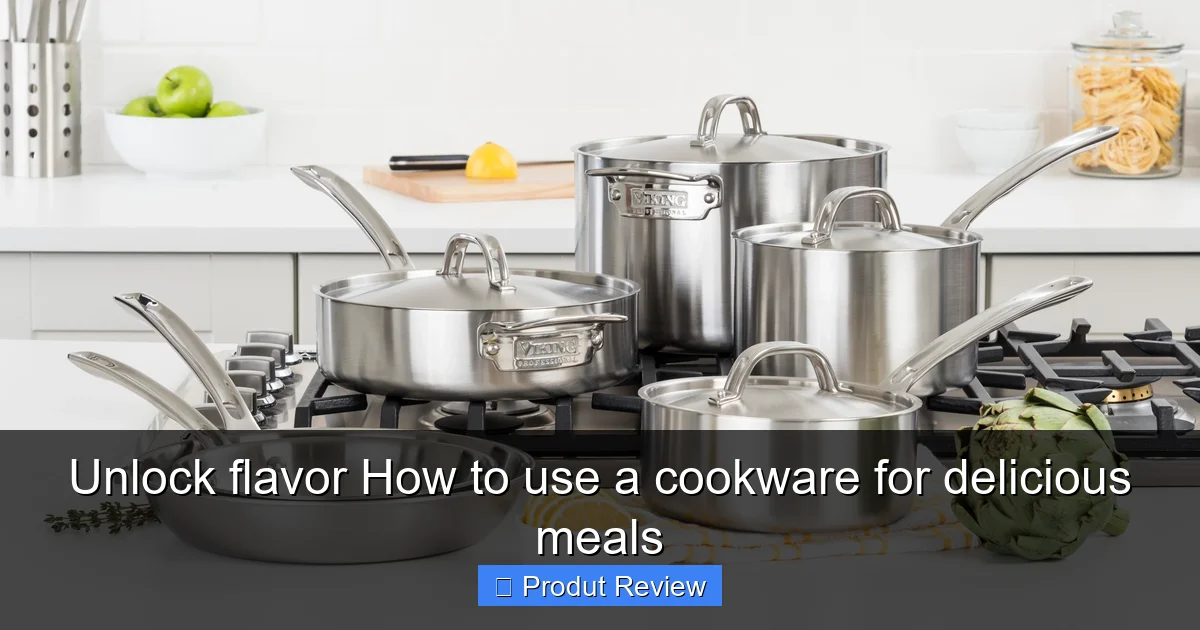
Visual guide about Unlock flavor How to use a cookware for delicious meals
Image source: vikingculinaryproducts.com
4.1. Non-Stick Cookware
Wash with warm, soapy water and a soft sponge or cloth. Avoid abrasive scrubbers or harsh detergents, which can damage the coating. If food is stuck, soak the pan for a bit before gently cleaning.
4.2. Stainless Steel Cookware
Usually straightforward to clean with warm, soapy water and a sponge. For stubborn stuck-on food, fill the pan with water, add a few drops of dish soap, and simmer on the stove for 10-15 minutes. The food should loosen. A paste of baking soda and water can also help with tough spots.
4.3. Cast Iron Cookware
Avoid harsh soap, which can strip the seasoning. After cooking, scrape out any food bits. For most cleaning, hot water and a stiff brush or chain mail scrubber are sufficient. For stubborn spots, a little coarse salt can act as an abrasive. Rinse thoroughly, then dry immediately and completely on the stovetop over low heat. Apply a very thin layer of cooking oil before storing to maintain seasoning and prevent rust.
4.4. General Tips for All Cookware
- Avoid metal scouring pads on most surfaces unless specifically recommended for heavy-duty stainless steel.
- Always dry thoroughly to prevent water spots and rust.
Step 5: Storing Your Cookware
Proper storage prevents scratches, dents, and damage.
- Stacking pans directly can lead to scratches. Use pan protectors, paper towels, or dishcloths between stacked items.
- Hang pots and pans from a rack if space allows, or store them in a cabinet with easy access.
- Ensure cookware is completely dry before storing to prevent moisture-related damage.
Troubleshooting Common Cookware Issues
Food Sticking to Stainless Steel?
This is often due to insufficient preheating or not enough cooking fat. Ensure your pan is hot enough (water test!) and use a good amount of oil or butter. Don’t move food too soon; let it develop a crust before attempting to flip.
Food Burning Easily?
Your heat setting is likely too high. Reduce the heat and monitor closely. Also, ensure you have enough liquid or fat if the recipe calls for it.
Cookware Warping?
Sudden temperature changes are the primary culprit. Never plunge a hot pan into cold water. Let it cool down gradually before washing. Overheating an empty pan on high heat can also cause warping.
Rust on Cast Iron?
This means your cast iron is not properly seasoned or was not dried completely before storage. Re-season the affected area (or the whole pan if necessary) and ensure you dry it thoroughly after every wash, preferably over low heat, and apply a thin layer of oil.
Non-Stick Coating Deteriorating?
This happens over time, but high heat, metal utensils, and abrasive cleaners accelerate it. Use medium-low heat, wooden, silicone, or nylon utensils, and soft sponges. Once the coating is compromised, it’s generally time to replace the pan for health and performance reasons.
Conclusion: Your Journey to Deliciousness
Learning how to use a cookware effectively transforms your cooking experience. It empowers you to create meals with confidence, knowing that your tools are working with you, not against you. By understanding your cookware’s materials, mastering heat control, employing proper cooking techniques, and committing to careful cleaning and storage, you’ll unlock incredible flavors and enjoy delicious meals for years to come. So, grab your favorite pan, embrace the sizzle, and start cooking something wonderful today!

Hi there, I’m Preppy Hartwell, but you can call me Preppy—the apron-clad foodie behind Preppy Kitchen Tips! I created Preppy Kitchen Tips because I’m convinced food has a way of telling stories that words can’t. So, grab a fork and dig in. The past never tasted so good!