

Are your knives feeling dull and frustrating to use? A sharp knife can make cooking faster, safer, and more enjoyable.
But how do you bring that sharp edge back to life? If you’ve ever wondered how to use a knife sharpener properly, you’re in the right place. You’ll discover simple, effective steps that anyone can follow to keep your knives razor-sharp.
By the end, you’ll have the confidence to sharpen your knives like a pro and transform your kitchen experience. Keep reading—your cutting tasks are about to get a whole lot easier.
Credit: www.house.com.au
Choosing The Right Sharpener
Choosing the right knife sharpener is important for keeping your knives in good shape. A sharp knife makes cutting easier and safer. Not all sharpeners work the same way or fit every knife. Knowing what type fits your needs helps you get better results. Think about the sharpener type, the material of your knives, and your budget. This guide helps you decide.
Types Of Knife Sharpeners
There are several types of sharpeners. Manual sharpeners have slots for quick sharpening. They are easy to use and good for beginners. Electric sharpeners work fast and need less effort. They offer different stages for sharpening and polishing. Sharpening stones require practice but give the best edge. They come in different grit sizes for fine or coarse sharpening.
Material Compatibility
Knives come in different materials like stainless steel or ceramic. Not all sharpeners suit every blade type. Ceramic knives need special sharpeners to avoid damage. Stainless steel knives work well with most sharpeners. Check if the sharpener matches your knife’s material. Using the wrong sharpener can ruin the blade.
Budget Considerations
Knife sharpeners vary in price. Manual sharpeners are usually affordable and last long. Electric sharpeners cost more but save time. Sharpening stones range from low to high price depending on quality. Decide how much you want to spend. A good sharpener is an investment in your kitchen tools.
Preparing Your Knife
Preparing your knife before sharpening is very important. It helps to get the best results and keeps the knife safe. Clean and check your knife carefully to make sure it is ready.
Cleaning The Blade
Start by washing the blade with warm water and soap. Remove any dirt, food, or grease from the surface. Use a soft cloth or sponge to avoid scratches. Dry the blade completely with a clean towel. A clean blade sharpens evenly and prevents damage to the sharpener.
Inspecting For Damage
Look closely at the blade for chips or cracks. Small damage can get worse during sharpening. Check the edge for bent or broken parts. If the blade has serious damage, do not sharpen it. Fix or replace the knife before using the sharpener. This step keeps your knife safe and effective.
Sharpening Techniques
Sharpening knives is simple with the right technique. Using the correct method helps keep your knife sharp and safe. Different sharpeners need different approaches. Understanding these techniques improves your results and extends your knife’s life.
Angle And Pressure Tips
Keep a steady angle while sharpening. Most knives need a 15 to 20-degree angle. Too much or too little angle can dull the blade. Apply gentle pressure. Pressing hard can damage the edge. Let the sharpener do the work. Move the blade smoothly for even sharpening.
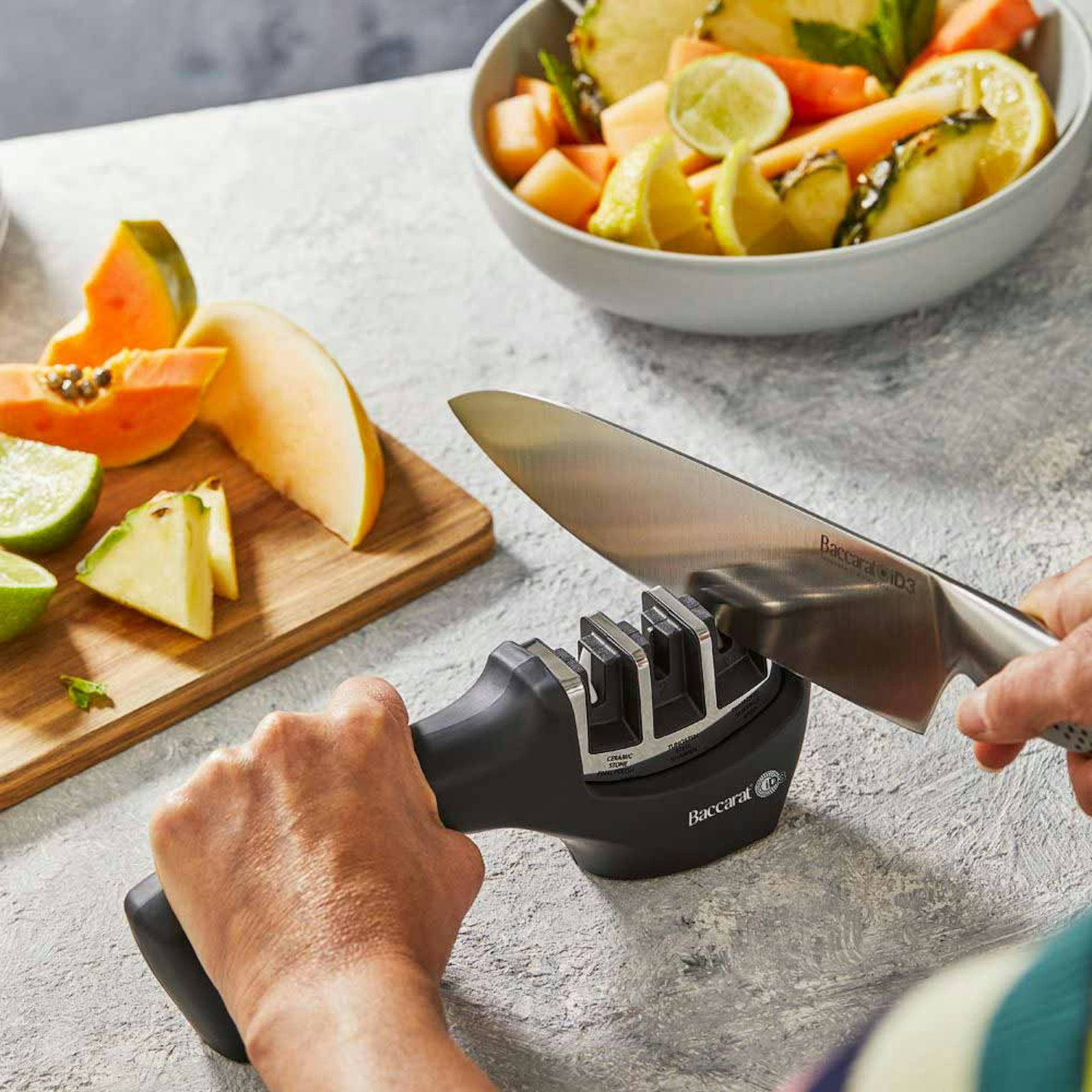
Using Pull-through Sharpeners
Pull-through sharpeners are easy to use. Place the blade in the slot. Pull it through from heel to tip. Use slow, steady strokes. Do not force the blade. Repeat 3 to 5 times. Check the blade sharpness after each pass. Clean the knife before and after sharpening.
Using Electric Sharpeners
Electric sharpeners save time. Turn the machine on before use. Hold the knife handle firmly. Slowly guide the blade into the sharpening slot. Let the machine do the work. Pull the blade through evenly. Repeat 2 to 4 times. Clean the blade after sharpening to remove metal dust.
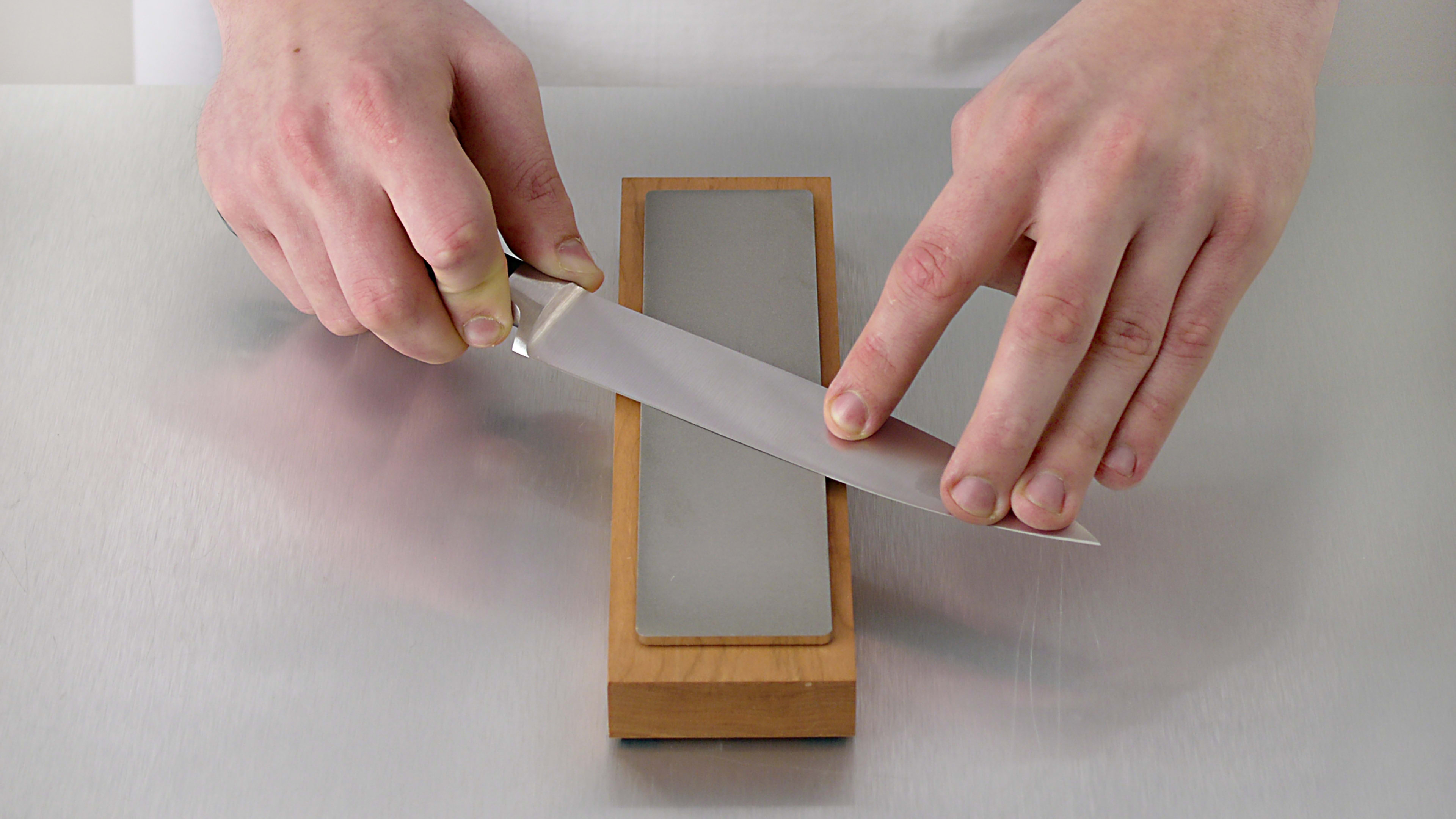
Using Sharpening Stones
Sharpening stones need patience. Soak the stone in water for 5 minutes. Hold the knife at a 15 to 20-degree angle. Slide the blade across the stone gently. Use circular or sweeping motions. Sharpen both sides evenly. Check the sharpness often. Finish with a finer grit stone for a smooth edge.
Maintaining Sharpness
Keeping your knife sharp is key for safe, easy cutting. Sharp knives work better and last longer. Maintaining sharpness requires simple habits. These habits help your knife stay in good shape.
Regular Honing
Honing straightens the knife edge between sharpenings. Use a honing rod often, even before each use. Hold the rod steady and swipe the knife blade gently. This keeps the edge aligned and sharp. Honing does not remove metal but refreshes the blade.
Proper Storage
Store knives safely to avoid dulling or damage. Use a knife block, magnetic strip, or blade guards. Avoid tossing knives in drawers with other utensils. Proper storage stops blades from hitting hard surfaces. This simple step keeps edges smooth and sharp longer.
Avoiding Damage
Do not cut on hard surfaces like stone or glass. Use wooden or plastic cutting boards only. Avoid twisting or prying with the knife. Do not use knives for tasks they are not made for. These habits prevent chips and dulling. Careful use protects the blade edge over time.
Safety Tips
Using a knife sharpener can make your knives sharper and safer to use. Safety is very important during sharpening. Sharp blades can cut your skin if not handled properly. Follow safety tips to protect yourself and others around you.
Handling Blades Carefully
Hold the knife by the handle only. Keep your fingers away from the blade edge. Always move the blade slowly across the sharpener. Avoid rushing or applying too much force. Store knives safely when not in use.
Using Protective Gear
Wear cut-resistant gloves to protect your hands. Use safety glasses to shield your eyes from metal particles. Keep a clean and dry workspace to avoid slips. Protective gear lowers the risk of injury while sharpening.
Safe Sharpening Practices
Place the sharpener on a stable surface before use. Follow the sharpener’s instructions carefully. Sharpen in a well-lit area for better control. Stop sharpening if you feel unsafe or unsure. Clean the knife and sharpener after use for safety.
Credit: www.mensjournal.com
Credit: blocksharpener.net
Frequently Asked Questions
How Often Should I Sharpen My Knives With A Sharpener?
Sharpen knives when they feel dull or cut poorly. Usually, every few months is enough.
What Types Of Knife Sharpeners Are Best For Beginners?
Manual and electric sharpeners are easy to use. Choose one with simple instructions and safety features.
Can Using A Knife Sharpener Damage My Knife Blade?
Proper use will not harm blades. Avoid pressing too hard or using the wrong angle.
Conclusion
Using a knife sharpener keeps your knives safe and sharp. It saves time and effort while cutting food. Regular sharpening helps your knives last longer. Always follow the sharpener’s instructions for best results. Clean your knives after sharpening to keep them in good shape.
Practice makes perfect, so sharpen often and carefully. Sharp knives make cooking easier and more enjoyable. Keep your kitchen tools ready for any meal. Simple steps lead to better cooking every day.

Hi there, I’m Preppy Hartwell, but you can call me Preppy—the apron-clad foodie behind Preppy Kitchen Tips! I created Preppy Kitchen Tips because I’m convinced food has a way of telling stories that words can’t. So, grab a fork and dig in. The past never tasted so good!