

Have you ever wished cooking could be faster, healthier, and less messy? Waterless cookware might be the game-changer you’ve been looking for.
Imagine preparing your favorite meals without adding extra water or oil, locking in natural flavors and nutrients every time. If you want to save time, reduce cleanup, and enjoy tastier dishes, learning how to use waterless cookware is the key.
Keep reading, and you’ll discover simple tips that can transform your cooking experience from ordinary to extraordinary.
Choosing The Right Waterless Cookware
Choosing the right waterless cookware is important for cooking success. The right set saves energy and keeps food healthy. It also lasts a long time and is easy to clean. This section helps you pick cookware that fits your needs and kitchen style.
Material Types
Waterless cookware comes in different materials. Stainless steel is strong and does not react with food. Aluminum heats fast but may not last as long. Some sets mix metals to get the best heat and durability. Choose a material that fits your cooking habits.
Size And Shape
Cookware comes in many sizes and shapes. Small pots are good for sauces and soups. Large pans work well for vegetables and meats. Consider your usual meal size. Pick shapes that fit your stove and storage space.
Lid Quality
Good lids keep steam inside to cook food evenly. Glass lids let you watch the food without lifting the lid. Tight-fitting lids prevent heat and moisture loss. Look for lids with strong handles and good seals.
Handle Comfort And Safety
Handles should be easy to hold and stay cool. Strong handles make moving pots safer. Some handles are made of heat-resistant materials. Check that the handles are firmly attached to the cookware.
Maintenance And Cleaning
Waterless cookware should be easy to clean. Some sets are dishwasher safe. Others need hand washing to keep their shine. Non-stick coatings make cleaning simple but can wear out. Choose cookware that fits your cleaning routine.
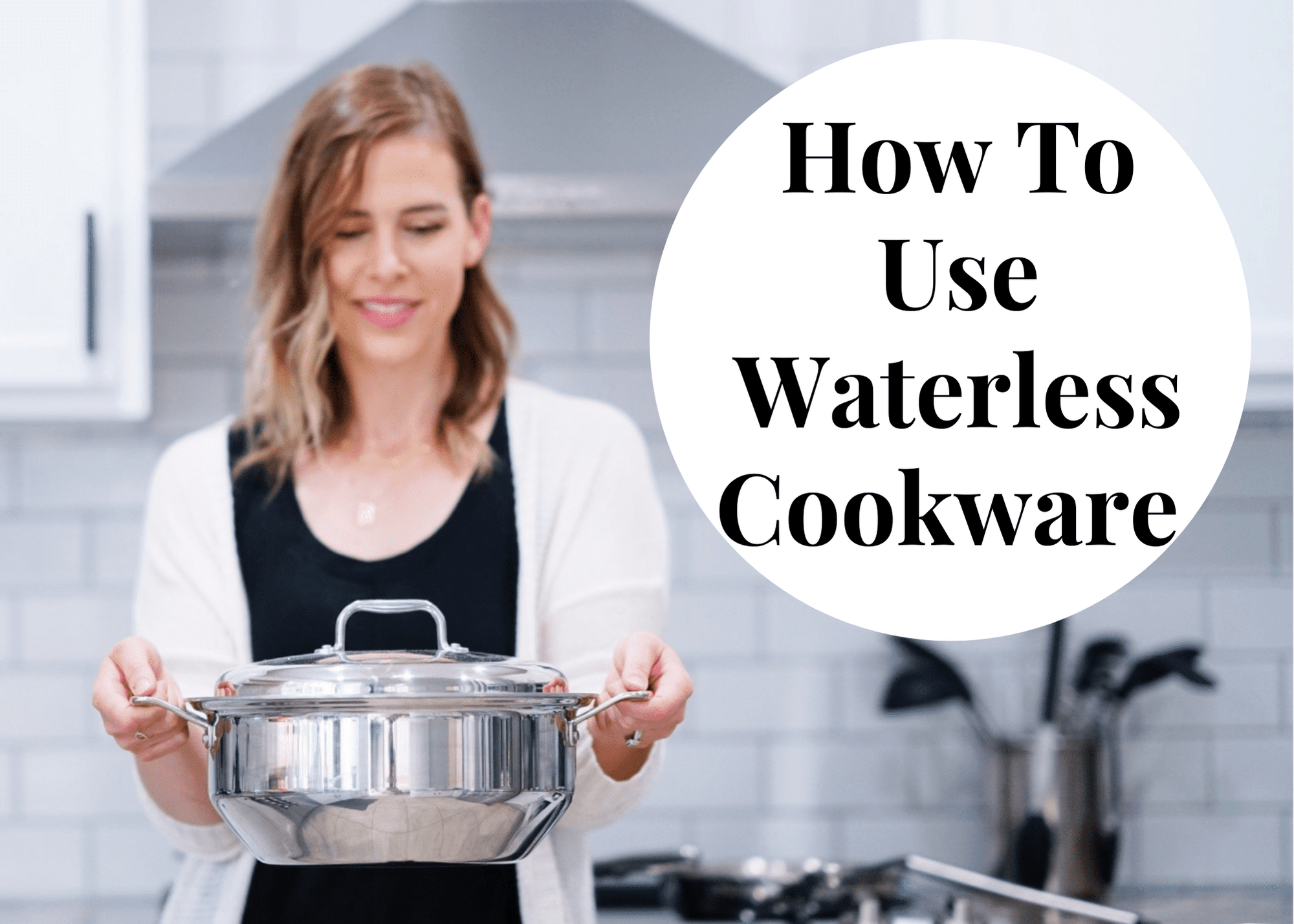
Credit: gurlgonegreen.com
Preparing Ingredients For Waterless Cooking
Preparing ingredients is the first step in waterless cooking. It helps ensure food cooks evenly and tastes great. Proper preparation also preserves nutrients and natural flavors.
Waterless cookware uses steam from the food itself. So, the ingredients must release enough moisture. Choosing and cutting the right ingredients is very important.
Choosing Fresh And Moisture-rich Ingredients
Pick fresh vegetables and meats with high water content. Fresh tomatoes, zucchini, and leafy greens work well. Fresh chicken or fish also release good moisture during cooking.
Avoid dry or frozen ingredients. They need more water and can dry out the dish. Using fresh produce improves taste and texture.
Cutting Ingredients Uniformly
Cut all ingredients into similar sizes. This helps everything cook at the same rate. Small pieces cook faster, while large chunks take longer.
Uniform pieces prevent some parts from overcooking or staying raw. Aim for even slices or cubes depending on the recipe.
Prepping Meats And Proteins Properly
Trim excess fat and remove skin from meats. This avoids extra grease and helps steam circulate. Pat meats dry to reduce moisture loss outside.
Marinate or season proteins before cooking. This adds flavor and helps tenderize. Avoid adding extra water or oil in marinades.
Washing And Draining Vegetables Well
Rinse vegetables under cold water to remove dirt. Drain them thoroughly to avoid excess water in the pan. Too much water can prevent proper steaming.
Shake or pat dry vegetables before cooking. This keeps the cooking process controlled and efficient.
Cooking Techniques Without Water
Cooking without water brings out new flavors and saves nutrients. Waterless cookware uses the food’s own moisture for cooking. This method keeps meals juicy and healthy. It also saves energy and time.
Here are some common techniques for cooking without water.
Steaming With Natural Moisture
Place food in the pan without adding water. The food releases steam as it heats. This steam cooks the food gently. It keeps vegetables crisp and meat tender.
Sautéing In Its Own Juices
Heat the pan and add little or no oil. Cook meat or vegetables slowly. The food’s juices melt out and cook it. This method locks in flavor and moisture.
Braising Without Extra Liquid
Brown the food first to add taste. Cover the pan tightly to trap steam. The food cooks in its own juices. This creates tender and rich dishes.
Simmering With Lid On
Cook food on low heat with the lid closed. The sealed lid keeps moisture inside. Food cooks evenly in its natural liquids. This saves water and keeps nutrients.
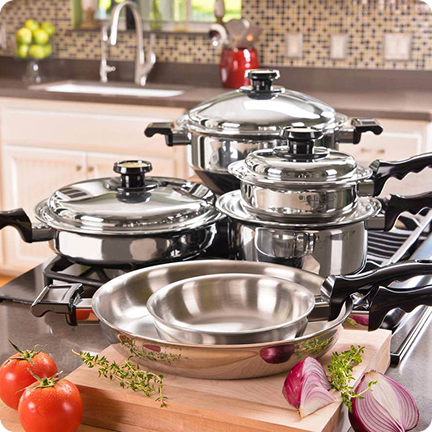
Credit: waterlesscookware.com
Maintaining Flavor And Nutrients
Maintaining flavor and nutrients is a key benefit of using waterless cookware. This method cooks food using steam and natural juices. It preserves the food’s original taste and vitamins. Cooking without excess water keeps vegetables crisp and meats tender. The nutrients stay locked inside, making meals healthier and tastier.
Cook With Minimal Water
Use only a small amount of water or no water at all. The cookware’s tight lid traps steam inside. This steam cooks food gently and evenly. It prevents nutrients from washing away. Less water also means flavors stay strong and fresh.
Use Low To Medium Heat
Heat the cookware on low or medium settings. High heat can burn food and reduce nutrients. Slow cooking protects vitamins and minerals. It also helps flavors develop naturally without burning.
Keep The Lid Closed
Keep the lid on during cooking. Opening the lid releases steam and heat. This loss can dry out food and lower nutrient levels. A closed lid keeps moisture and flavors inside.
Choose Fresh Ingredients
Start with fresh vegetables and meats. Fresh food has more nutrients and better flavor. Waterless cooking enhances these qualities by preserving them. Frozen or old ingredients lose vitamins and taste.
Cleaning And Caring For Waterless Cookware
Caring for waterless cookware is simple and keeps it working well. Proper cleaning helps keep the surface smooth and stops food from sticking. This cookware lasts longer with the right care. Follow these steps to clean and maintain your pots and pans.
Cleaning Waterless Cookware After Use
Let the cookware cool before washing. Avoid cold water on hot pans to prevent warping. Use warm water and mild soap for cleaning. A soft sponge or cloth works best. Do not use steel wool or harsh scrubbers. These can scratch the surface and ruin the cookware.
Removing Stubborn Stains And Residue
Fill the pan with warm soapy water and soak for 15 minutes. Use a non-abrasive scrubber to gently remove residue. For tough stains, make a paste of baking soda and water. Apply the paste and let it sit for a few minutes. Scrub gently and rinse thoroughly with warm water.
Drying And Storing Your Waterless Cookware
Dry the cookware completely with a soft towel after washing. Avoid air drying to prevent water spots. Store cookware in a dry place to stop rust and damage. Use paper towels between pans if stacking to avoid scratches.
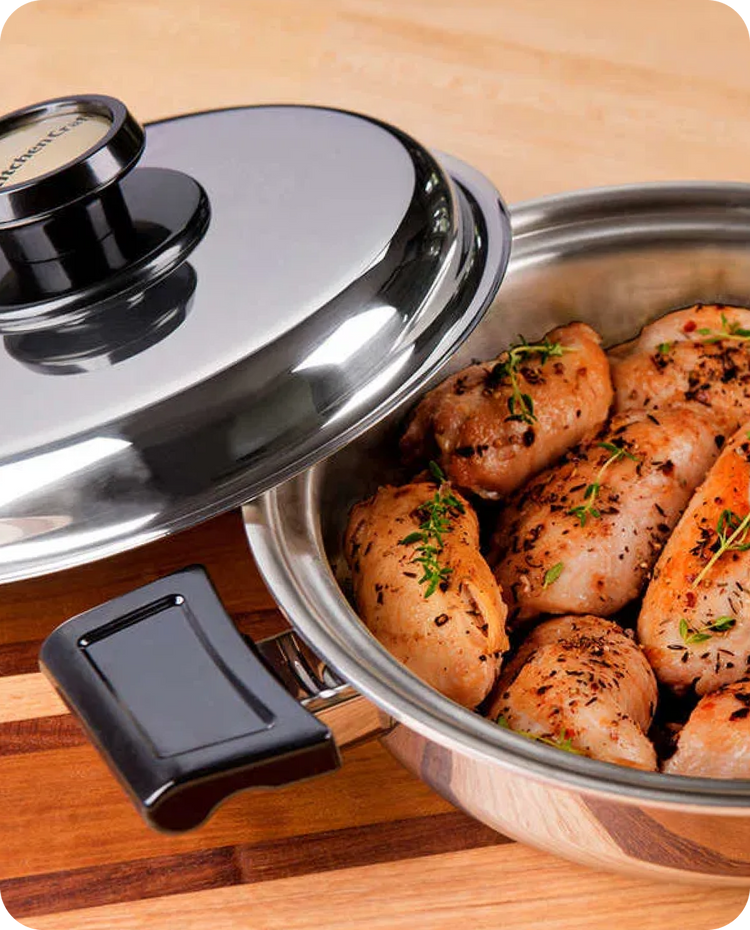
Credit: waterlesscookware.com
Frequently Asked Questions
What Is Waterless Cookware And How Does It Work?
Waterless cookware uses tight lids and special materials to cook food without added water. It locks in steam and natural juices, making meals healthier and tastier. This method saves nutrients and reduces cooking time.
Can I Use Waterless Cookware For All Types Of Food?
Waterless cookware works best for vegetables, meats, and grains that release moisture. It is not ideal for frying or recipes needing a lot of liquid. Always check your cookware’s instructions for best results.
How Do I Clean And Maintain Waterless Cookware?
Clean waterless cookware with warm, soapy water and a soft sponge to avoid scratches. Avoid harsh detergents or metal scrubbers to keep the surface smooth. Regular care helps cookware last longer and perform well.
Conclusion
Waterless cookware saves time and energy while cooking. It keeps food moist and full of nutrients. Use low heat and avoid adding extra water. Clean the cookware gently to keep its quality. Enjoy healthier meals with less oil and hassle.
Start using waterless cookware for better cooking results today.

Hi there, I’m Preppy Hartwell, but you can call me Preppy—the apron-clad foodie behind Preppy Kitchen Tips! I created Preppy Kitchen Tips because I’m convinced food has a way of telling stories that words can’t. So, grab a fork and dig in. The past never tasted so good!