
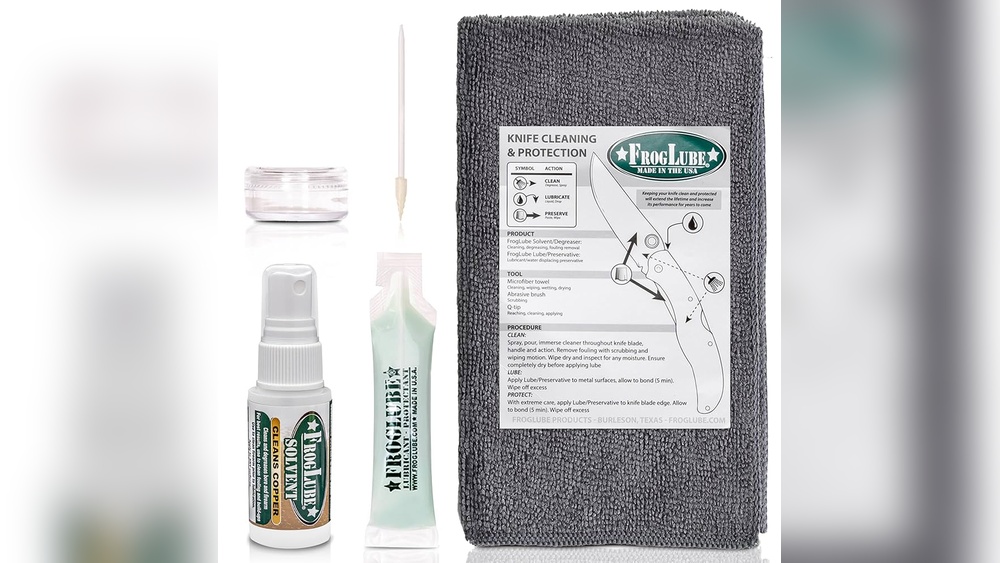
Your knives are more than just tools—they’re an investment. But if you don’t take care of them properly, rust can quickly damage their sharpness and lifespan.
Imagine reaching for your favorite knife only to find it covered in unsightly rust spots. Frustrating, right? That’s where knife oil comes in. This simple, often overlooked product can protect your blades and keep them looking and performing like new.
You’ll learn exactly how knife oil works and why it’s essential for preventing rust on your knives. Keep reading to discover how a small step can make a big difference for your blades.
Knife Oil to Prevent Rust
Why Knife Rust Happens?
Rust forms on knives because of a chemical reaction between metal, oxygen, and water. This reaction damages the blade’s surface, making it weak and rough. Rust reduces the knife’s sharpness and lifespan. Understanding why rust happens helps protect your knives better.
How Moisture Affects Blades
Water causes rust by reacting with iron in the metal. Even small drops or humidity can start rust. Moisture breaks the metal’s protective layer. This allows oxygen to reach the metal and form rust. Wet knives left without drying quickly develop rust spots.
Common Rust-prone Materials
Knives made from high-carbon steel rust faster than stainless steel. Carbon steel blades are sharp but need more care. Stainless steel resists rust but is not fully rust-proof. Cheap metals or poor-quality coatings also rust easily. Knowing your knife’s material helps prevent rust properly.

Credit: knifewear.com
Best Oils For Knife Protection
Protecting knives from rust extends their life and keeps them sharp. Choosing the right oil is important for effective protection. Oils create a thin barrier that stops moisture and air from touching the blade. This prevents rust and corrosion. Some oils work better than others. The best oils offer long-lasting protection without harming the knife.
Oils differ in origin and safety. Some come from natural sources while others are man-made. Some oils are safe for kitchen use, while others suit outdoor or industrial knives. Picking the right oil depends on your knife’s purpose and how often you use it. Let’s explore the main types of oils for knife care.
Natural Oils Vs Synthetic Oils
Natural oils come from plants or animals. Examples include mineral oil, olive oil, and camellia oil. They are often safe to use on kitchen knives. Natural oils can be less harsh on the metal. They also provide good rust protection. Natural oils may need to be applied more often.
Synthetic oils are made in labs. They often last longer and resist water better. Synthetic oils can protect knives in tough conditions. They usually do not smell and are less sticky. Some synthetic oils include silicone and Teflon-based oils. These oils suit outdoor or heavy-use knives well.
Food-safe Options For Kitchen Knives
Kitchen knives need oils that are safe to touch food. Food-safe oils do not harm health. Mineral oil is popular for this reason. It is odorless, colorless, and easy to apply. Another good choice is camellia oil, used by many chefs. It absorbs quickly and protects without stickiness.
Vegetable oils should be avoided. They can go rancid and smell bad. Always pick oils labeled as food-safe. This ensures no harmful chemicals come in contact with food. Regular oiling keeps kitchen knives rust-free and ready to use.
How To Apply Knife Oil Properly
Applying knife oil properly protects blades from rust and damage. A clean blade absorbs oil better. The right method keeps your knife sharp and safe. Follow these easy steps for the best results.
Cleaning Before Oiling
Start by wiping the blade with a soft cloth. Remove any dirt, moisture, or food particles. Use warm water and mild soap for a deeper clean. Dry the knife completely to stop rust. Never oil a wet blade. Clean surfaces help the oil stick well.
Step-by-step Application Process
Put a small drop of knife oil on a clean cloth. Rub the oil gently over the entire blade. Cover both sides and the edge carefully. Avoid over-oiling; a thin layer is enough. Let the oil sit for a few minutes. Wipe off any extra oil with a dry cloth. Store the knife in a dry place after oiling.
Frequency Of Oiling Your Blades
Oiling your knife blades is key to stopping rust and keeping them sharp. The right oiling schedule depends on how often you use the knives and where you store them. Regular oiling protects the metal from moisture and air. This section explains how often to oil your blades for the best care.
Daily Vs Occasional Maintenance
Daily oiling suits knives used every day. This keeps moisture and dirt off the blade. A thin layer of oil creates a protective shield. For knives used less, oiling once a week or after each use is enough. Occasional oiling still stops rust but needs more attention to spots that get wet or sticky.
Storage Conditions Impact
Storage affects how often to oil your knives. Humid places cause faster rust. Oil blades more often in damp environments. Dry, cool storage lowers rust risk. In these cases, oiling once a month works well. Keeping knives in a dry case or drawer helps too. Proper storage and oiling together give the best blade protection.
Additional Tips To Prevent Knife Rust
Knife oil helps stop rust, but extra care keeps knives in top shape longer. Simple habits protect your blades and keep them sharp. Follow these tips for better knife care.
Proper Storage Solutions
Store knives in a dry place to stop moisture buildup. Use a knife block, magnetic strip, or sheath for protection. Avoid leaving knives loose in drawers where they can get wet or scratched. Proper storage reduces rust risk and keeps edges sharp.
Regular Inspection And Care
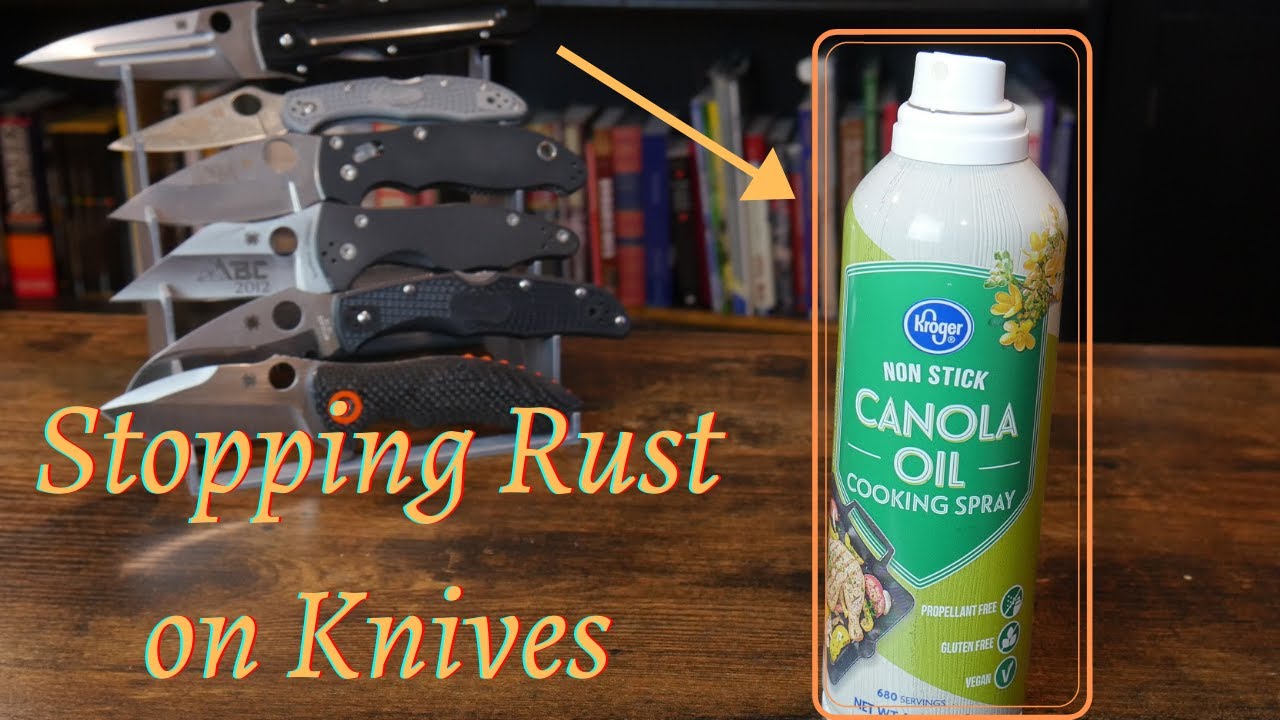
Check knives often for signs of rust or damage. Clean and dry blades after every use. Apply a thin layer of knife oil to prevent moisture from settling. Regular care stops rust before it starts and extends knife life.
Credit: www.youtube.com

Credit: www.amazon.com
Frequently Asked Questions
What Is The Best Knife Oil To Prevent Rust?
Light mineral oil or food-safe oils work best to stop rust on knives.
How Often Should I Apply Knife Oil To Prevent Rust?
Apply knife oil after every use or at least once a month for protection.
Can Knife Oil Damage The Blade Or Handle?
No, proper knife oil protects without harming the blade or handle materials.
Conclusion
Keeping your knife free from rust protects its sharpness and lifespan. Regularly applying knife oil creates a thin barrier against moisture. This simple step stops rust from forming and keeps your blade smooth. Clean your knife before oiling for the best results.
Use a soft cloth to spread the oil evenly. Small effort, big difference. Caring for your knife this way saves money and frustration. Rust-free knives perform better and look nicer. Make knife oil part of your routine today. Your blade will thank you with every use.
Read More
- 5 Best Oil for Pocket Knife: Top Picks to Keep Blades Sharp
- 5 Best Mens Pocket Knife: Top Durable Picks for Everyday Carry
- 5 Best Wood for a Knife Handle: Top Durable and Stylish Choices Reviewed
- 5 Best Salmon Fillet Knife Reviews: Top Picks for Precise Cutting
- 5 Best Pocket Knife for the Money: Top Affordable Blades Reviewed

Hi there, my name is Oliva Wilson from London, UK. I loved cooking and specially know about kitchen products. I am the author, researcher, and chef in a UK based restaurant. Thank you