
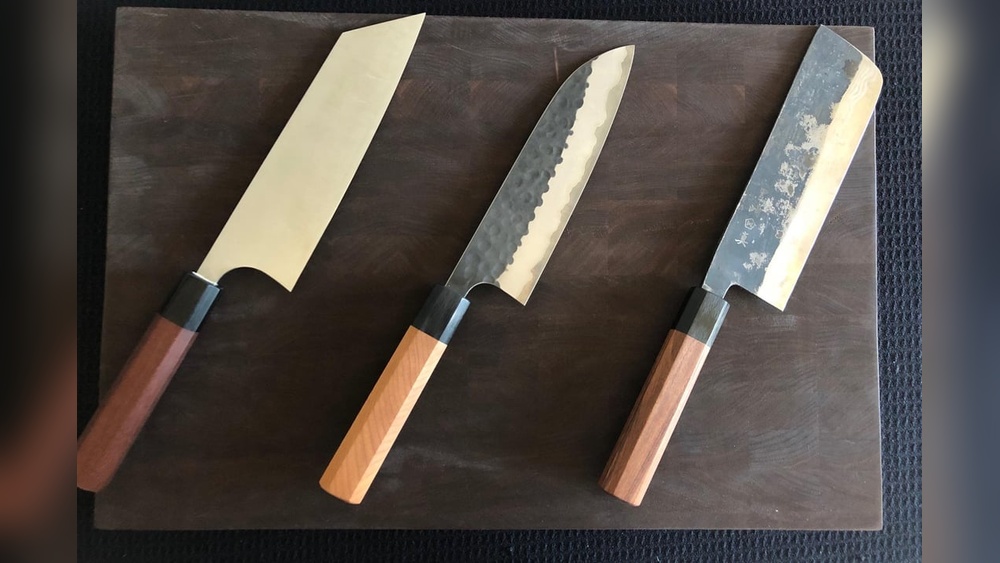
Choosing the right knife can change the way you cook. If you’ve ever stood in front of a knife set wondering whether a Nakiri or a Chef’s knife is best for you, you’re not alone.
Each knife has its own strengths that can make your chopping faster, your slicing smoother, and your cooking more enjoyable. You’ll discover which knife fits your style and kitchen needs perfectly. Keep reading to find out how to make your knife work for you, not the other way around.
Nakiri Vs Chef’s Knife
| Feature | Nakiri Knife | Chef’s Knife |
|---|---|---|
| Origin | Japan | Western (mainly France and Germany) |
| Blade Shape | Straight, rectangular blade | Curved edge with pointed tip |
| Blade Length | Usually 5–7 inches | Usually 6–12 inches |
| Cutting Motion | Up-and-down chopping | Rocking or slicing motion |
| Best For | Chopping vegetables, fruits, and herbs | Versatile – meats, fish, vegetables, fruits |
| Edge Type | Flat edge, double bevel | Curved edge, double bevel |
| Tip | Flat, no pointed tip | Pointed tip for precision cuts |
| Weight | Lighter and thinner blade | Heavier, more robust |
| Precision | Excellent for fine vegetable cuts | Good all-purpose precision |
| Ease of Use | Ideal for straight chopping | Better for varied cutting techniques |
| Maintenance | Requires gentle handling and frequent sharpening | More durable, easier to maintain |
| Ideal User | Home cooks focusing on plant-based or Japanese cuisine | Professional or home cooks needing versatility |
| Common Material | High-carbon Japanese steel | Stainless or high-carbon Western steel |
| Appearance | Rectangular, traditional Japanese style | Classic curved Western design |
Blade Design And Shape
The blade design and shape of a knife affect how it cuts and feels in hand. Different knives serve different purposes in the kitchen. The Nakiri and the chef’s knife have unique blade designs. These differences make each knife better for certain tasks. Understanding their features helps choose the right tool for the job.
Nakiri Knife Features
The Nakiri knife has a straight, flat blade. This design makes it perfect for chopping vegetables. The blade is thin and light, allowing clean cuts through soft foods. Its rectangular shape gives a large cutting surface. The flat edge ensures the blade contacts the cutting board evenly. This prevents rocking and helps make precise, straight cuts.
Chef’s Knife Features
The chef’s knife has a curved blade that tapers to a sharp point. This shape allows a rocking motion while cutting. It works well for slicing, dicing, and chopping many ingredients. The blade is thicker and heavier than a Nakiri. This helps cut through tougher foods like meat and hard vegetables. The pointed tip aids in delicate tasks like trimming and peeling.

Credit: www.youtube.com
Cutting Techniques And Uses
Cutting techniques vary depending on the knife used. Each knife has a special design for specific tasks. Knowing these differences helps you choose the right tool for cooking. The Nakiri and the chef’s knife both serve unique purposes in the kitchen.
The Nakiri knife is designed mainly for vegetables. It has a flat blade that allows clean, straight cuts. This shape helps slice through vegetables without rocking the blade. The chef’s knife has a curved blade made for rocking cuts. It works well for chopping, slicing, and dicing a variety of foods.
Best Tasks For Nakiri
The Nakiri excels at cutting vegetables. It slices thin pieces without crushing them. Use it to chop leafy greens, carrots, and cucumbers. It is perfect for creating even slices for salads and stir-fries. The flat blade makes it easy to cut all the way to the cutting board.
This knife is not ideal for cutting meat or bones. Its thin blade may bend or chip on hard surfaces. Focus on using Nakiri for smooth, precise vegetable cuts. It helps keep the colors and textures fresh.
Best Tasks For Chef’s Knife
The chef’s knife is a versatile kitchen tool. It cuts meat, fish, vegetables, and herbs with ease. Its curved blade allows for a rocking motion while chopping. This motion speeds up cutting and improves control. It is perfect for dicing onions and mincing garlic.
This knife handles tougher tasks like breaking down poultry or slicing through thick vegetables. It can also be used for crushing garlic or cracking nuts. The chef’s knife adapts to many cutting styles and food types.
Material And Sharpness
The material and sharpness of a knife play a big role in its performance. These factors affect how well the knife cuts and how long it stays sharp. Nakiri and chef’s knives use different materials and designs. These differences impact their cutting power and care needs.
Blade Materials Comparison
Nakiri knives often use softer steel. This steel is easy to sharpen and keeps a very sharp edge. Chef’s knives usually use harder steel. Hard steel can hold its edge longer but takes more effort to sharpen. Both knives may have stainless steel or carbon steel blades. Stainless steel resists rust better. Carbon steel cuts sharper but may rust if not cared for.
Edge Retention And Maintenance
Nakiri knives need more frequent sharpening. Their softer steel loses sharpness faster. Chef’s knives keep a sharp edge longer due to harder steel. Sharpening chef’s knives takes more skill and time. Both knives need regular cleaning and drying. Proper care prevents rust and blade damage. Honing the edge helps keep knives sharp between sharpenings.

Credit: prudentreviews.com
Comfort And Handling
Comfort and handling are key factors when choosing the right knife for your kitchen. Both Nakiri and chef’s knives have unique designs that affect how they feel in your hand. Understanding their grip, weight, and ergonomics helps you pick the best tool for daily cooking.
Grip And Weight Differences
The Nakiri knife has a straight handle, often lighter than a chef’s knife. This makes it easier to hold for chopping vegetables. Chef’s knives usually have a curved handle and weigh more. This weight helps with slicing and rocking motions. Your hand may feel more secure with a heavier chef’s knife. The lighter Nakiri feels less tiring during long use.
Ergonomics For Daily Use
Nakiri knives have a flat blade, which works well for vertical chopping. This design reduces wrist strain and improves control. Chef’s knives have a curved blade for rocking cuts. This shape fits natural hand movements but may need more wrist effort. Both knives offer comfort, but your choice depends on cutting style and how long you cook each day.
Choosing The Right Knife
Choosing the right knife is important for a good cooking experience. The right knife makes cutting safer and easier. It helps prepare food faster and with less effort.
Two popular knives are the Nakiri and the Chef’s knife. Both have unique features. Knowing their differences helps pick the best one for your needs.
Factors To Consider
Think about the knife’s size and weight. A heavy knife can tire your hand quickly. A lightweight knife may feel easier to use for longer times. Look at the blade shape. Straight blades are good for chopping vegetables. Curved blades help with rocking cuts. Handle comfort matters. A good grip prevents slipping and injury.
Matching Knife To Cooking Style
If you mainly cut vegetables, the Nakiri is ideal. It has a straight blade for clean, even cuts. The flat edge touches the board fully. For mixed tasks like slicing meat or dicing onions, the Chef’s knife works well. Its curved blade allows smooth rocking cuts. Choose a knife that fits your common cooking tasks. This saves time and improves results.
Credit: www.reddit.com
Frequently Asked Questions
What Is The Main Difference Between Nakiri And Chef’s Knife?
Nakiri knives have a straight edge for slicing vegetables; Chef’s knives are curved for rocking cuts.
Which Knife Is Better For Chopping Vegetables?
Nakiri knives are ideal for chopping vegetables due to their flat blade and precise cuts.
Can A Chef’s Knife Replace A Nakiri Knife?
A Chef’s knife can cut vegetables but lacks the flat blade for clean, even slices like a Nakiri.
Conclusion
Choosing between a Nakiri and a chef’s knife depends on your cooking style. Nakiri knives excel at chopping vegetables quickly and evenly. Chef’s knives offer versatility for cutting meat, fruits, and veggies. Both knives have sharp blades and comfortable handles.
Think about what foods you cut most often. A Nakiri suits vegetable lovers who want precise cuts. A chef’s knife fits those who need one tool for many tasks. Either way, a good knife makes cooking easier and safer. Pick the knife that feels right in your hand.
- 5 Best Kiritsuke Knife: Top Picks for Precision and Durability
- Best Kitchen Knife Storage Solutions for Safety and Easy Access
- Best Magnetic Knife Holders for Kitchen Organization and Safety
- Best Hunting Knife of All Time: Top Picks for Ultimate Outdoor Use
- Best Knife Drawer Organizer: Top Picks for a Tidy Kitchen Today

Hi there, my name is Oliva Wilson from London, UK. I loved cooking and specially know about kitchen products. I am the author, researcher, and chef in a UK based restaurant. Thank you