

Have you ever wished cooking could be faster, healthier, and easier to clean up? What if your cookware could help you achieve all that without needing extra oil or water?
Waterless cookware might just be the game-changer your kitchen needs. It promises to keep more nutrients in your food, save energy, and make your meals taste better. Curious to find out how it works and if it’s right for you?
Keep reading to discover everything you need to know about waterless cookware.
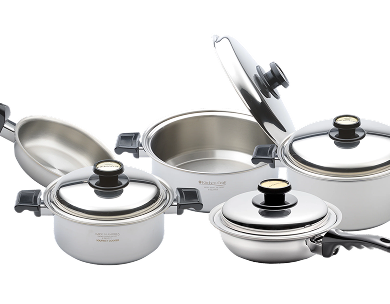
Credit: waterlesscookware.com
Waterless Cookware Basics
Waterless cookware offers a unique way to cook food using little or no added water. It allows food to cook in its own juices. This method keeps nutrients and flavors intact. It also saves energy and time in the kitchen.
Understanding the basics of waterless cookware helps you use it better. You learn how it works and what materials make it effective. This knowledge improves your cooking results and your kitchen experience.
How It Works
Waterless cookware uses heavy lids that fit tightly on pots and pans. These lids trap steam inside during cooking. The trapped steam cooks food evenly and gently. This method prevents food from drying out or burning.
The cookware heats food at low temperatures. This saves energy and keeps nutrients from breaking down. You do not need to add extra water or oil. The natural moisture in food is enough to cook it well.
Materials Used
Waterless cookware is usually made from high-quality stainless steel. Stainless steel is strong and resists rust and stains. It also heats evenly without hot spots. Some sets include aluminum or copper cores to improve heat conduction.
The lids are often made of stainless steel or glass. Glass lids allow you to see the food while cooking. The cookware’s design ensures a tight seal between lid and pot. This seal helps keep steam and heat inside.
Health Benefits
Waterless cookware offers several health benefits that make it a smart choice for everyday cooking. It helps keep your meals nutritious and lowers unhealthy fats. Cooking with less oil and preserving nutrients means healthier dishes for you and your family.
Nutrient Retention
Waterless cookware cooks food using steam from the food’s own moisture. This method keeps vitamins and minerals locked in. Less water and shorter cooking times prevent nutrient loss. Meals retain their natural flavors and colors. This makes your food both tasty and healthy.
Reduced Oil And Fat
With waterless cookware, you need little or no oil. The cookware’s tight lids keep moisture inside, stopping food from sticking. This means fewer fats in your meals. Lower oil usage supports heart health and helps with weight management. Cooking becomes cleaner and healthier.
Cooking Techniques
Cooking with waterless cookware uses unique techniques to make meals healthy and tasty. These pots and pans trap steam and heat inside. This method cooks food evenly and keeps nutrients safe. Learning the right ways to use waterless cookware helps you get the best results.
Proper Heat Settings
Start cooking on medium heat to let steam build up. Avoid high heat, as it can burn food quickly. After steam forms, lower the heat to low. This keeps food cooking gently without needing extra water. Use lids tightly to keep the steam inside. The right heat saves energy and keeps flavors fresh.
Ideal Recipes
Waterless cookware works well for vegetables, grains, and lean meats. Steamed vegetables keep their color and crunch. Rice and quinoa cook fluffy and soft without sticking. Chicken breasts and fish stay juicy and tender. Avoid recipes that need deep frying or heavy sauces. Simple dishes with few ingredients show the best results.

Credit: gurlgonegreen.com
Choosing The Right Cookware
Choosing the right waterless cookware can make cooking easier and healthier. This type of cookware needs special care when selecting. The size, shape, durability, and maintenance all affect how well it performs. Understanding these factors helps you pick the best set for your kitchen.
Size And Shape Options
Waterless cookware comes in many sizes and shapes. Small pans work well for sauces or small meals. Larger pots suit soups or big family dinners. Deep pots hold more food and allow even cooking. Flat pans are perfect for frying or sautéing. Choose sizes that match the meals you cook most.
Durability And Maintenance
Durability is key for waterless cookware. Most sets use stainless steel, known for strength and rust resistance. Some have aluminum cores for better heat distribution. Easy-to-clean surfaces save time and effort. Avoid cookware that needs special cleaners or scrubbing. Proper care keeps your cookware looking new longer.
Comparing Traditional And Waterless Cooking
Traditional cooking uses water or oil to cook food. Waterless cookware cooks food without adding water. Both methods have unique benefits and differences. Understanding these can help you choose the right cookware for your kitchen.
Flavor Differences
Traditional cooking often uses water or oil to prevent food from sticking. This can dilute the natural flavors of the food. Waterless cookware seals in moisture and nutrients by using tight lids. Food cooks in its own juices, keeping flavors strong and fresh. The taste is more natural and rich with waterless cooking.
Energy Efficiency
Traditional cookware needs more heat to boil water or oil. This uses more energy over time. Waterless cookware heats food faster and keeps heat inside. It uses less energy by cooking at lower temperatures. This makes waterless cooking a cost-effective and eco-friendly choice for many.

Credit: everydayhomemaking.com
Frequently Asked Questions
What Is Waterless Cookware And How Does It Work?
Waterless cookware cooks food using the moisture inside the food itself. It traps steam and heat without needing extra water. This method helps keep nutrients and flavors in your meals.
What Are The Benefits Of Using Waterless Cookware?
Waterless cookware saves energy by cooking food faster and at lower heat. It keeps vitamins and minerals intact because no water washes them away. Plus, it reduces the need for oil or butter, making meals healthier.
Can Waterless Cookware Be Used On All Stovetops?
Most waterless cookware works well on gas, electric, and ceramic stovetops. Some types are also safe for induction cooktops. Always check the product details to be sure it fits your stove.
Conclusion
Waterless cookware cooks food using natural moisture and heat. It saves water and retains more nutrients. You get tastier and healthier meals with less oil. These pots and pans heat evenly and clean easily. They suit busy kitchens and help save energy.
Choosing waterless cookware can improve your cooking experience. Try it to enjoy fresh, flavorful dishes every day. Simple, healthy cooking is possible with the right tools. Waterless cookware offers a smart, eco-friendly way to cook.