
Are you tired of eating cold, unappetizing meals when lunchtime rolls around? You deserve to enjoy your food just the way you packed it—warm and fresh.
But how do you find a lunch box that actually keeps your food hot until you’re ready to eat? Choosing the right one can change your entire lunch experience. Keep reading, and you’ll discover the best options that promise to keep your meals warm and satisfying, every single day.

Credit: www.dreamingloud.com
Heat Retention Technologies
Heat retention technologies help keep food warm inside lunch boxes. These technologies work by slowing down heat loss. They trap heat and stop cold air from entering. This keeps your meal warm for hours.
Many lunch boxes use special materials and designs. These materials reduce the transfer of heat. The better the technology, the longer your food stays hot.
Insulated Vacuum Layers
Insulated vacuum layers create a space with no air between walls. Air normally carries heat away. Removing air stops heat from moving out. This keeps heat inside the lunch box much longer.
Vacuum insulation is common in high-quality lunch boxes. It works like a thermos. Your food stays hot for several hours with this feature.
Foam Insulation
Foam insulation uses thick foam inside the lunch box walls. Foam traps tiny air bubbles, which slow heat loss. This type of insulation is lightweight and affordable.
Lunch boxes with foam insulation keep food warm for a shorter time. Still, they are good for daily use and short trips.
Reflective Linings
Reflective linings bounce heat back to the food. They use shiny materials like aluminum foil inside the lunch box. This stops heat from escaping through radiation.
Reflective linings often work with foam or vacuum layers. Together, they improve heat retention and keep food hot longer.
Insulated Lunch Box Types
Insulated lunch boxes keep food warm for hours. They use special materials to trap heat. Choosing the right type helps maintain temperature. Various designs suit different needs.
Vacuum Insulated Lunch Boxes
Vacuum insulated lunch boxes have double walls with a vacuum layer. This stops heat from escaping. They keep food hot for a long time. These boxes are usually made of stainless steel. They are durable and easy to clean.
Foam Insulated Lunch Boxes
Foam insulated lunch boxes use thick foam inside the walls. The foam slows heat loss. They are lighter but may not keep food hot as long. These lunch boxes often come in soft, flexible materials. They are good for short trips or school use.
Electric Heated Lunch Boxes
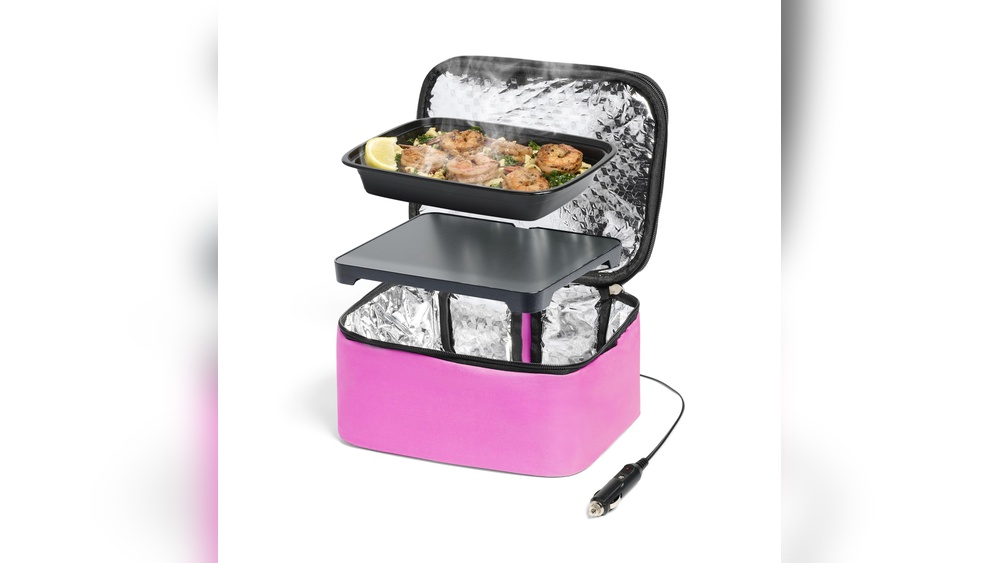
Electric heated lunch boxes plug into a power source. They warm food using electricity. These boxes keep food hot as long as they are powered. They are ideal for offices or cars. Some models have temperature control settings.
Thermal Bag Lunch Boxes
Thermal bag lunch boxes use insulated fabric layers. They keep food warm for a few hours. These bags are lightweight and easy to carry. They often include space for ice packs or hot packs. They work best for short periods.
Material Impact On Warmth
Material plays a big role in keeping food hot inside a lunch box. Some materials hold heat better than others. This affects how long your meal stays warm and tasty. Understanding the material can help you choose the best lunch box.
Stainless Steel And Heat Retention
Stainless steel lunch boxes are popular for keeping food hot. They have good insulation properties. The metal holds heat well and keeps food warm for hours. These lunch boxes often come with double walls to trap heat inside.
Plastic And Its Limitations
Plastic lunch boxes are lightweight and cheap. They do not keep food hot for long. Plastic does not hold heat well. Most plastic lunch boxes are better for cold or room temperature food.
Glass And Heat Preservation
Glass lunch boxes are safe and easy to clean. They keep heat better than plastic but less than stainless steel. Glass can retain warmth if it has a tight lid. It is a good option for microwave use too.
Insulated Fabric Covers
Some lunch boxes use insulated fabric covers. These covers wrap around containers to keep heat inside. They work best with metal or glass containers. Fabric insulation slows down heat loss but does not generate heat.

Credit: uhfug.com
Top Models For Hot Meals
Choosing a lunch box that keeps food hot is important for many people. Hot meals taste better and feel more satisfying. Some lunch boxes are designed to keep food warm for hours. These models use special insulation or heating technology. Here are the top models for hot meals that work well and are easy to use.
Thermal Insulated Lunch Boxes
Thermal insulated lunch boxes use thick layers to keep heat inside. They are lightweight and easy to carry. These boxes keep food warm for about 4 to 6 hours. They do not need batteries or electricity. Just heat your food before packing it in.
Electric Lunch Boxes
Electric lunch boxes plug into a power source to heat food. They keep meals hot for hours and can reheat cold food. Some models fit into car cup holders. These lunch boxes are perfect for office workers and travelers. They offer convenience and steady heat.
Vacuum Flask Style Lunch Boxes
Vacuum flask lunch boxes have double walls with air removed between them. This stops heat from escaping. They keep soups and stews hot for up to 8 hours. These boxes are sturdy and spill-proof. Great for liquid meals and thick dishes.
Tips To Maximize Heat
Keeping your food hot in a lunch box can be tricky. Small steps help keep meals warm for longer. These tips improve heat retention. They make your lunch more enjoyable.
Preheat Your Lunch Box
Pour hot water into the lunch box for a few minutes. This warms the container. Empty the water before adding food. It helps keep food hot longer.
Use Insulated Containers
Choose lunch boxes with good insulation. Stainless steel containers often keep heat well. They stop warm air from escaping. This keeps food hotter for hours.
Fill The Container Fully
Fill your lunch box completely. Less empty space means less heat loss. Food stays warm longer in a full container. Avoid leaving gaps or air pockets.
Wrap Food In Foil
Wrap your food in aluminum foil before placing it inside. Foil traps heat and reflects it back. This simple step keeps food warm and tasty.
Keep The Lid Tight
Close the lunch box lid securely. A tight seal blocks heat from escaping. Check the lid fits well every time. This helps maintain the food’s temperature.
Avoid Opening Often
Open your lunch box only when ready to eat. Every opening lets heat escape. Keep the food covered to keep it warm. This keeps your meal at a better temperature.

Credit: www.amazon.com
Frequently Asked Questions
What Lunch Box Keeps Food Hot For Hours?
Thermal lunch boxes with insulated walls keep food warm for several hours. They trap heat and prevent cold air from entering.
Are Stainless Steel Lunch Boxes Good For Heat Retention?
Yes, stainless steel lunch boxes are excellent at keeping food hot. Their double-wall insulation helps maintain temperature longer.
How Does Insulation Improve Lunch Box Heat Retention?
Insulation acts as a barrier, reducing heat loss from the food container. It keeps warmth inside and cold air outside.
Can Electric Lunch Boxes Keep Food Hot Effectively?
Electric lunch boxes use power to warm food and keep it hot. They work well if you have access to electricity.
What Size Lunch Box Best Maintains Food Temperature?
A smaller lunch box retains heat better because less air cools the food. Choose a size that fits your meal without extra space.
Conclusion
Choosing the right lunch box keeps your food warm longer. Insulated containers and vacuum flasks work best. They trap heat well and stop cold air. Materials like stainless steel help maintain temperature. Size matters—pick one that fits your meal. Easy-to-clean designs save time and effort.
Remember, packing hot food initially improves warmth. Use these tips to enjoy warm meals anywhere. Stay comfortable and satisfied during lunch breaks. Your hot food deserves the best lunch box.