
Have you ever wondered if waterless cooking is truly good for your health? You might have heard that it saves nutrients and flavors, but is that really the case?
If you want to make smarter choices in your kitchen and take care of your body, understanding the truth about waterless cooking is key. Keep reading, because what you learn here could change the way you prepare meals—and how you feel afterward.
Basics Of Waterless Cooking
Waterless cooking uses little or no water during the cooking process. This method relies on the natural moisture in foods to cook them. It helps keep flavors, nutrients, and textures intact. Cooking at lower temperatures also reduces the loss of vitamins and minerals.
This technique works well with special cookware designed to seal in steam. These pots and pans trap moisture, allowing food to cook in its own juices. The result is moist, tender, and flavorful dishes without added water or oil.
What Is Waterless Cooking?
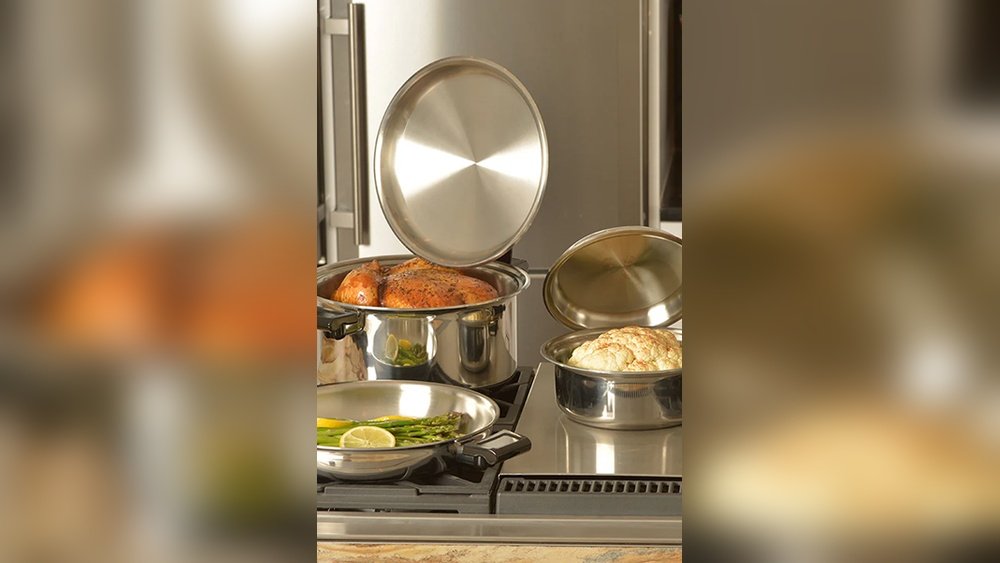
Waterless cooking means using cookware that locks in steam. The food cooks in its natural moisture. No extra water is added. This method keeps nutrients from washing away. Food stays fresh and tasty.
How Does Waterless Cooking Work?
The cookware has tight-fitting lids that seal steam inside. Heat causes the moisture in food to turn into steam. This steam cooks the food evenly and gently. It prevents burning and drying out.
Types Of Cookware Used
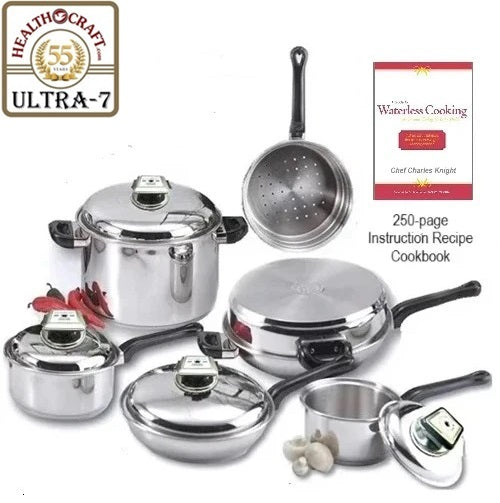
Waterless cookware has thick bases and tight lids. Usually made from stainless steel or aluminum. The lids fit tightly to trap steam. This design helps cook food without water or oil.
Benefits Of Waterless Cooking
Preserves vitamins and minerals better than boiling. Enhances natural flavors without added fat. Saves energy by cooking faster at lower heat. Reduces the need for oils and fats.

Credit: www.amazon.com
Nutrient Retention In Waterless Cooking
Nutrient retention in waterless cooking is a key reason many choose this method. This technique uses little to no water and cooks food with its own moisture. It helps keep vitamins and minerals locked inside the food. The gentle heat and sealed environment reduce nutrient loss.
Waterless cooking preserves more nutrients than boiling or frying. Vitamins like C and B are water-soluble and easily lost in cooking water. Since waterless cooking uses minimal water, fewer nutrients wash away. This method also avoids high heat that can break down nutrients.
Food retains natural flavors and colors better. The nutrients stay inside the food, not in discarded cooking water. This means more nutrition ends up on your plate. It supports a healthier diet with fresh, nutrient-rich meals.
How Waterless Cooking Protects Vitamins
Vitamins such as vitamin C and some B vitamins are sensitive to heat and water. Waterless cooking uses less heat and no extra water. This keeps these vitamins intact. The food cooks in its own steam, which is gentle and fast.
Mineral Preservation In Waterless Cooking
Minerals like iron, calcium, and potassium do not break down easily. They can dissolve in cooking water and be lost. Waterless cooking keeps the minerals inside the food. This means meals stay rich in essential minerals.
Impact On Antioxidants And Phytochemicals
Antioxidants and phytochemicals help protect the body from damage. They are often destroyed by high heat or long cooking times. Waterless cooking reduces heat exposure. It helps keep these important compounds in fruits and vegetables.
Flavor And Texture Benefits
Waterless cooking offers unique benefits for flavor and texture. This method locks in natural juices and nutrients. Foods retain their original taste and freshness better. The cooking process uses steam from the food’s own moisture. This helps keep flavors rich and intense.
Texture also improves with waterless cooking. Foods stay tender and moist without becoming soggy. The gentle heat prevents overcooking and preserves natural firmness. Vegetables remain crisp, and meats are juicy and soft. This cooking style enhances the eating experience.
Preserving Natural Flavors
Waterless cooking uses no added water or oils. Food cooks in its own juices, keeping flavors pure. Spices and herbs release their aroma fully. The result is a richer and more vibrant taste. No flavors are lost in excess water or steam.
Maintaining Ideal Texture
Heat is gentle and even in waterless cooking. Foods do not dry out or get mushy. Vegetables keep their crunch and color. Meats stay tender without drying or shrinking. This method supports the natural texture of each ingredient.
Enhanced Nutrient Retention
Nutrients stay locked inside the food during cooking. Waterless cooking reduces nutrient loss from boiling or frying. Vitamins and minerals remain intact and available. This method makes meals healthier and more nourishing. Food tastes fresh and wholesome.
Credit: healthcraft.com
Health Advantages Compared To Traditional Methods
Waterless cooking offers several health advantages compared to traditional cooking methods. It uses less water and preserves the natural nutrients in food. This method helps keep vitamins and minerals intact. It also reduces the need for added fats and oils.
By cooking without water, food retains more flavor and texture. This can lead to healthier meals without extra salt or seasoning. The method supports better digestion and nutrient absorption.
Preserves Nutrients Better
Waterless cooking keeps vitamins and minerals from washing away. Traditional cooking often loses nutrients in boiling water. Steaming or waterless methods help maintain these important elements. Your meals stay more nutritious and wholesome.
Uses Less Oil And Fat
This method requires little or no added oil. Foods cook in their own juices, reducing the need for extra fat. Lower fat meals support heart health and weight management. It makes healthy eating easier and tastier.
Reduces Harmful Compounds
Waterless cooking lowers the chance of harmful chemicals forming. High heat and open flames in traditional cooking create toxins. Cooking gently without water limits these risks. It helps keep your food clean and safe.
Maintains Food Texture And Flavor
Foods stay moist and tender with waterless cooking. The method avoids drying out or overcooking your meals. Better texture makes healthy food more enjoyable to eat. Natural flavors come through without extra additives.
Tips For Effective Waterless Cooking
Waterless cooking saves nutrients and flavors by using little or no added water. It uses the natural moisture in food to cook meals gently. This method keeps food healthy and tasty.
Effective waterless cooking needs some simple steps. These tips help you cook food evenly and keep it moist. They also reduce the chance of burning or drying out your dishes.
Choose The Right Cookware
Use pots and pans with tight-fitting lids. Heavy-bottomed cookware spreads heat evenly. This prevents hot spots and burning. Stainless steel or enamel-coated pans work well for waterless cooking.
Prepare Food Properly
Cut food into even sizes for uniform cooking. Avoid overcrowding the pan. This allows steam to circulate and cook food gently. Wash vegetables but do not soak them in water.
Control Heat Carefully
Start cooking on medium heat until steam forms. Lower the heat to maintain gentle simmering. Too high heat can burn food or dry it out. Cook slowly to keep nutrients and flavors.
Use Natural Moisture
Rely on the water released from vegetables and meat. Do not add extra water unless necessary. The natural juices create steam that cooks the food. This keeps food tender and full of taste.
Check Food Without Lifting The Lid Often
Keep the lid closed to trap steam. Opening the lid releases heat and moisture. Check food only when needed to avoid slowing cooking. Trust the steam to cook your meal properly.
Credit: www.bedbathandbeyond.com
Frequently Asked Questions
What Is Waterless Cooking And How Does It Work?
Waterless cooking uses little or no added water by sealing in moisture from the food itself. It cooks food slowly at low heat, keeping nutrients and flavors intact. This method often uses special cookware to trap steam inside.
Does Waterless Cooking Keep More Nutrients In Food?
Yes, waterless cooking helps retain vitamins and minerals by avoiding nutrient loss through boiling water. The sealed cooking environment reduces exposure to oxygen and heat. This preserves the food’s natural taste and nutrition better.
Is Waterless Cooking Safe And Easy For Everyday Meals?
Waterless cooking is safe as it uses controlled low heat and sealed lids to prevent burns. It also saves time since food cooks evenly without constant stirring. Many find it simple once they get used to the cookware and method.
Conclusion
Waterless cooking keeps nutrients and natural flavors well. It uses little or no oil, making meals healthier. Food cooks in its own juices, which saves vitamins. This method also helps save energy and time. Many find it easy and clean to use.
Try waterless cooking to enjoy tasty, healthy dishes. It can fit well into a balanced lifestyle. Give it a chance and see the benefits yourself. Simple, healthy, and efficient—waterless cooking is worth exploring.

Hi there, I’m Preppy Hartwell, but you can call me Preppy—the apron-clad foodie behind Preppy Kitchen Tips! I created Preppy Kitchen Tips because I’m convinced food has a way of telling stories that words can’t. So, grab a fork and dig in. The past never tasted so good!